
First things first, I am not telling you to cut single-target removal. Removal is essential to Commander and the overall experience of Magic as a whole. It is a part of interaction, a way to interrupt your opponents’ boards and game plans. However, as the game continues to grow, single-target removal has continued to feel worse and worse.


Single-targeted removal is not bad. It is very important. Sometimes, your opponents have certain cards on board that need to be answered, and single-target removal is the most immediate and typically the most efficient in that regard. Now, you may have noticed that I’ve italicized efficient, and the reason for that is single-target is genuinely not very efficient from a Commander perspective.
We need to think about single-target removal based upon the rate of its return. The best forms of removal are low cost and immediate. But this comes with a caveat. This type of removal almost always goes one-for-one, trading a single card for a singular piece of removal. In other formats, this is quite acceptable, mainly due to the fact that you are playing against one opponent. One-for-one is very fair. However, in Commander, you are facing down three other opponents. This is where the problem lies.
You simply cannot run enough removal for every player at the table. In a Commander game, things quickly end up with a slogged board state. Everyone has some amount of nonsense on their board, and popping one piece of nonsense only allows several more to spring back up.

Furthermore, opening up one hole will allow others to capitalize upon that space. Many times, especially in the later game, your removal only works to grant other players even more advantage or merely shift the crown around and usually not in your favour. Removal works very well in a one vs. one format because you are the only one who takes advantage of the interaction that you made. This isn’t the case in Commander, and it gets increasingly difficult to time your removal due to the several other turns in a cycle that take place until your own again.
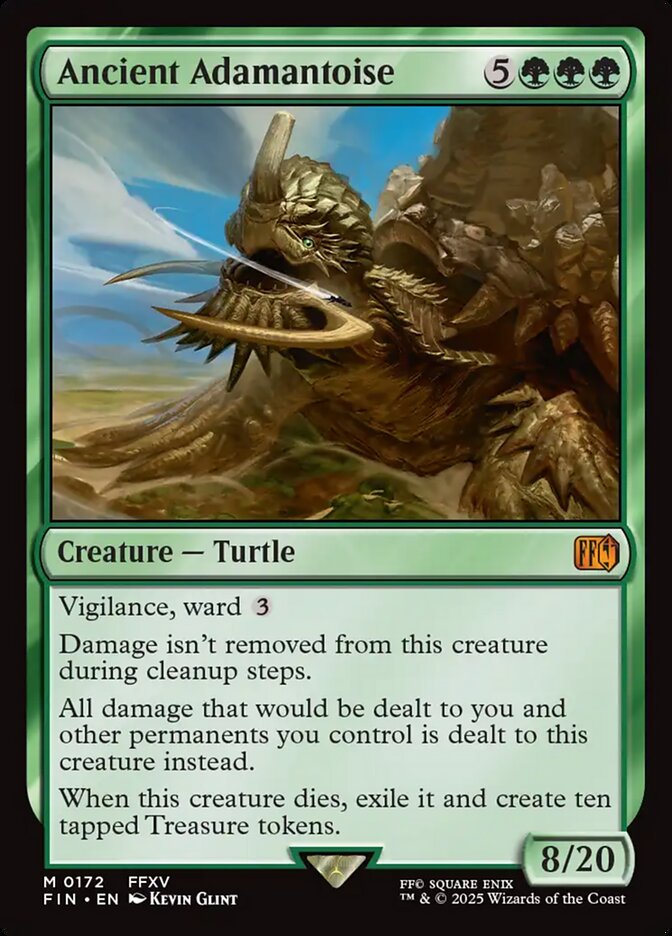
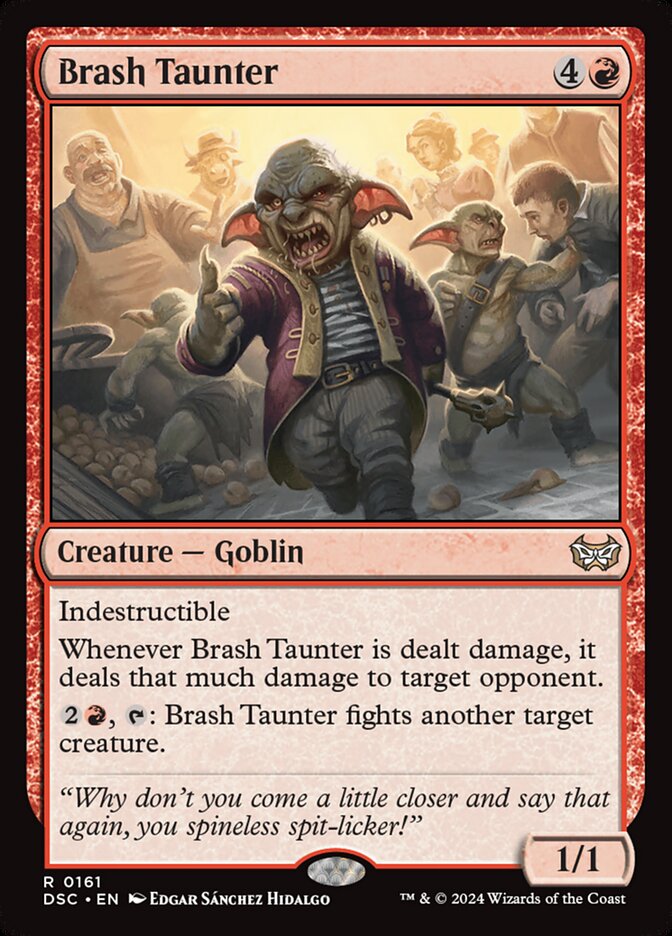
Furthermore, cards are continuously being printed that have their own built-in protection, limiting the types of removal you can use or invalidating certain forms entirely. In that respect, single-target removal can be quite limiting and potentially obsolete at times. And with growing powercreep, that sentiment continues to linger more and more as cards become stronger over time.
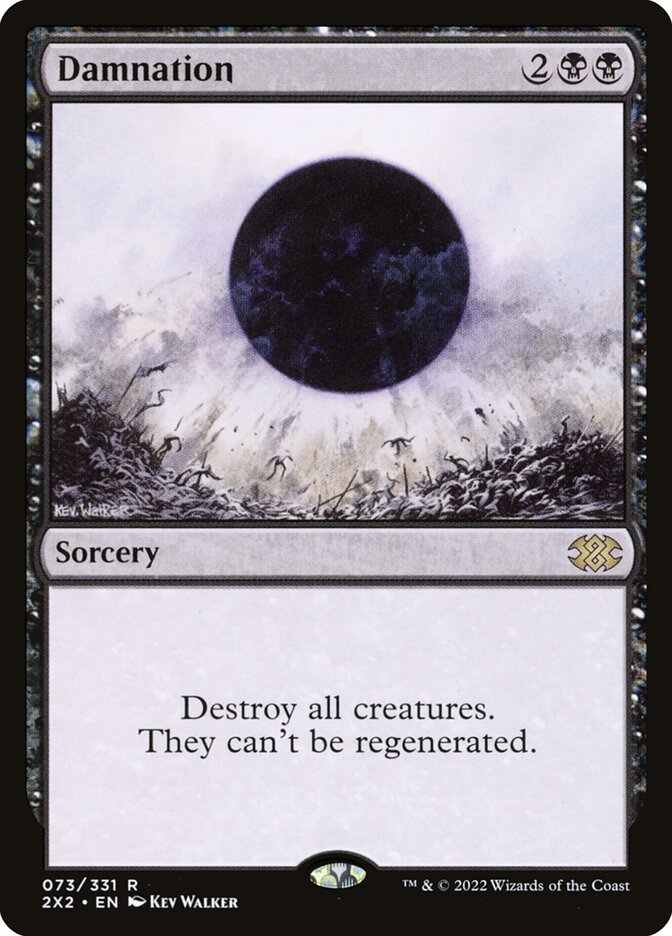
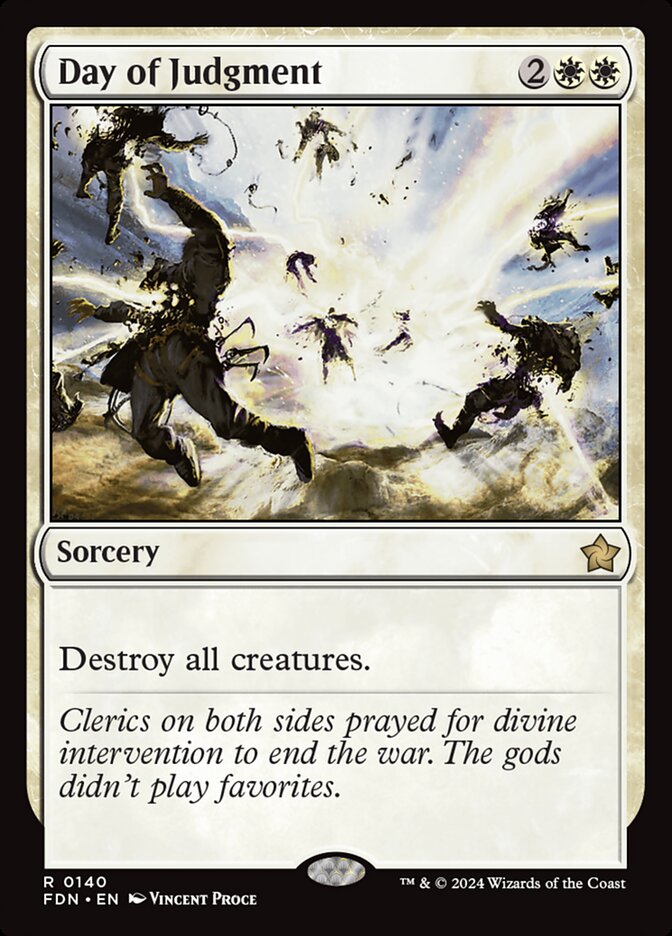
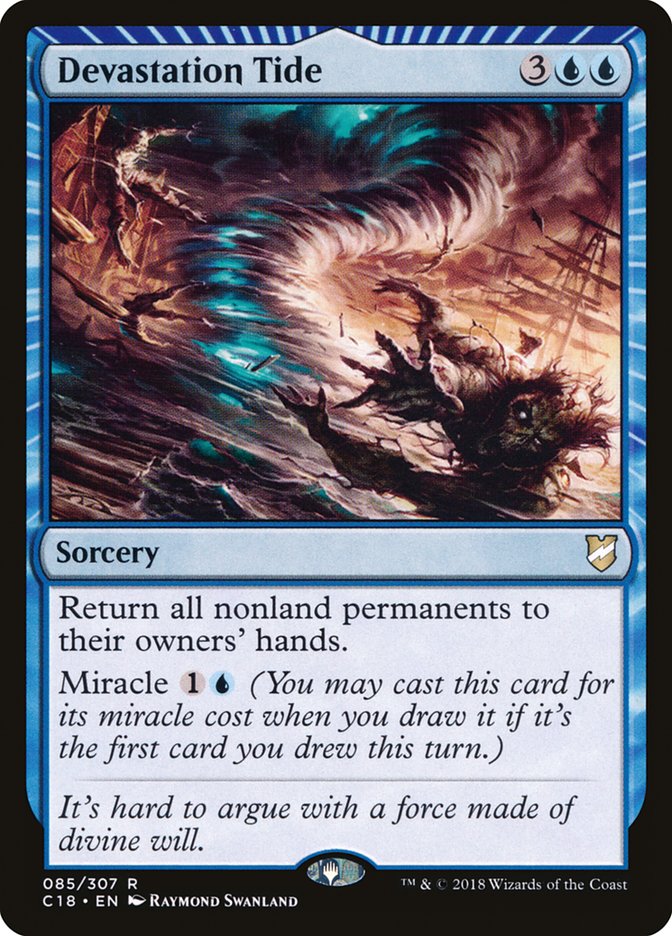
Technically, the most efficient form of removal would then be a wrath, but wraths themselves have their own downsides. Unlike single-target removals, they are very slow and costly. They are often symmetrical, hitting you as well. Furthermore, similar to single-target removal, they may open up advantages for your opponents rather than yourself. It also doesn’t help that the vast majority of wraths only function on your turn as they are sorcery speed.

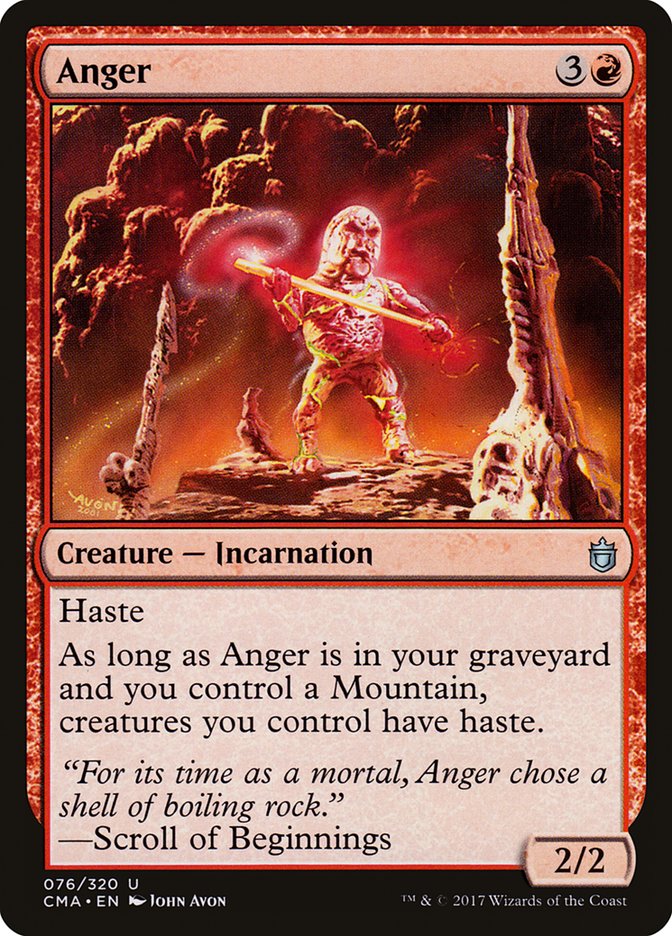
Granted, removal at times may even benefit your opponents, especially if they have cards that are looking to be removed in the first place. Many cards nowadays, especially in graveyard/sacrifice themes, are looking to have their board removed (at their own pace and with certain specifications), and your removal may only accelerate their game plan by performing something they were intending to do anyways. Many creatures, for example, in Golgari (G/B), usually have effects that procure when they enter the graveyard, either spawning another nightmare for you to have to deal with or remove later or giving them some other form of advantage.
Granted, it may feel as if you’re fighting an uphill battle, spending your own expensive removal to only push others ahead. And this can be a common feeling in Commander. What’s worse is when your pods or players start relying upon you to do the dirty work for them while they continue to build on their game plan effortlessly.


Rather than focusing on the weaknesses of single-target removal, we should focus on the strengths instead. The power of single-target removal rely on its speed of deployment and low costs. This is what we need to capitalize on when considering single-target removal pieces. Now, I can’t exactly explain what’s best to remove on a board since Commander is a game where destroying a single insect could spawn Emrakul in the most absurd and convoluted ways (don’t quote me, but I think someone may be trying that somehow as I type this). We can focus on what we can do with single-target removal.
Single-target removal needs to be altered in the players’ mindsets. Given the vast array of different cards and strategies deployed in Commander, single-target removal should be modular in order to deal with all the unknowns that may be encountered. This isn’t exactly a bad thing. Often, you are told that a sharp experienced blade is stronger than a Swiss army knife, but, and given the low curve of single-target removal, modality is never a bad thing. Modality keeps these cards relevant and your opponents sweating as they cannot predict your next moves.
Alternatively, as seen in Return to Dust, cards that can go one-for-two-or-more are excellent. You may have to meet certain conditions, but your deck should be tailored to match a certain theme regardless, and you should pick removal that matches those same themes. One other way is to use removal as a form of advantage generation. New cards like Seedship Impact give you the incentive to interact with your opponents while giving you something in return.

Ultimately, removal isn’t a long-term solution. It is just like the card above, delaying the inevitable. Removal can only slow down a game plan, usually never shutting it down entirely, especially true in Commander where you have so many threats to deal with versus three other players. So, in that sense, you need to tie removal with looking to win the game. Remove pieces that interfere with your game plan.
I can share something that is a secret hidden by the very experienced players of this game: killing your opponents or winning immediately tends to solve the need for removal. That’s right. If you win, you don’t have to bother with removal. The most efficient form of removal is removing your opponents from the game.
Lastly, as far as how much removal to bring or how to use politics to decide how to frame removal, these are concepts that are really dependent on you and your pods. Personally, unless you trust your friends, and even if you do, I’d say having more removal is always a good thing. It’s not one’s responsibility to deal with the board. Players can do whatever they feel like, and unfortunately, if that’s just building their own sandcastles while letting the current threat run loose, that’s just what they chose. In that case, sometimes it’s best to let them take in the results of not running interaction.
As my friend had taught me, maybe it’s best to just let things be and have players get a taste of their own medicine. If you constantly remove everything for everyone else, they’ll become solely dependent on this. Pain is the ultimate teacher after all.