
I feel like White gets an odd reputation in Commander. White is commonly associated and splashed into decks primarily for wraths and quick spot removal. White is also known for its “white weenies” which are just a wide board of tiny little threats that pick at your opponent’s side. I find a lot of new players (my own experience) underestimate white and misunderstand what white is truly capable of.
The focus of this post is to talk about and discuss how white achieves its version of “balance” and why that’s quite evil. A good “white” interaction isn’t merely about destruction; white is all about equalizing power. However, you can circumvent this by modifying conditions and rules to some extent.
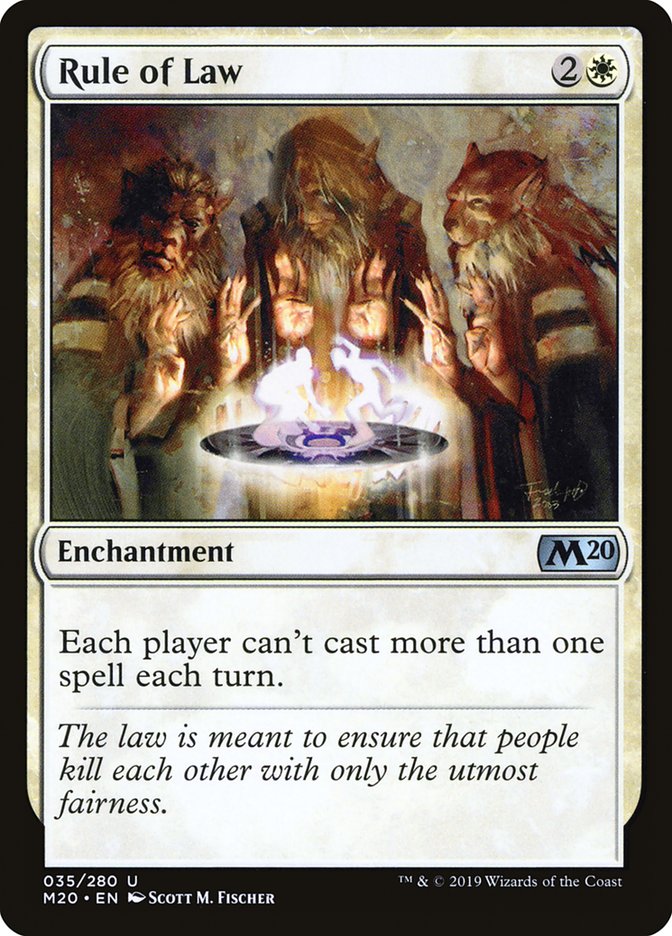
This card above is one of the most hated yet stereotypical effects that are common in white. White loves to stax. What that means is that white loves to stack delays and slow down the pacing of the game. Many white cards that perform this type of stax effect and similar effects are mutual, meaning they affect the white player as equally as their opponents. Now you may be asking why would anyone ever want to slow down the game? What is the point if you are slowing yourself down as well?
This is where we come to the understanding of white’s weaknesses. White isn’t especially fast at deploying big threats quickly. White doesn’t really cheat costs and white doesn’t ramp much or have much hard draw like say in blue. By equalizing everyone’s pacing, white can remain in a similar position to everyone. But that’s not what you should be doing in white. These delays are meant to keep others in check while you steam-roll ahead by cheating your own rules.

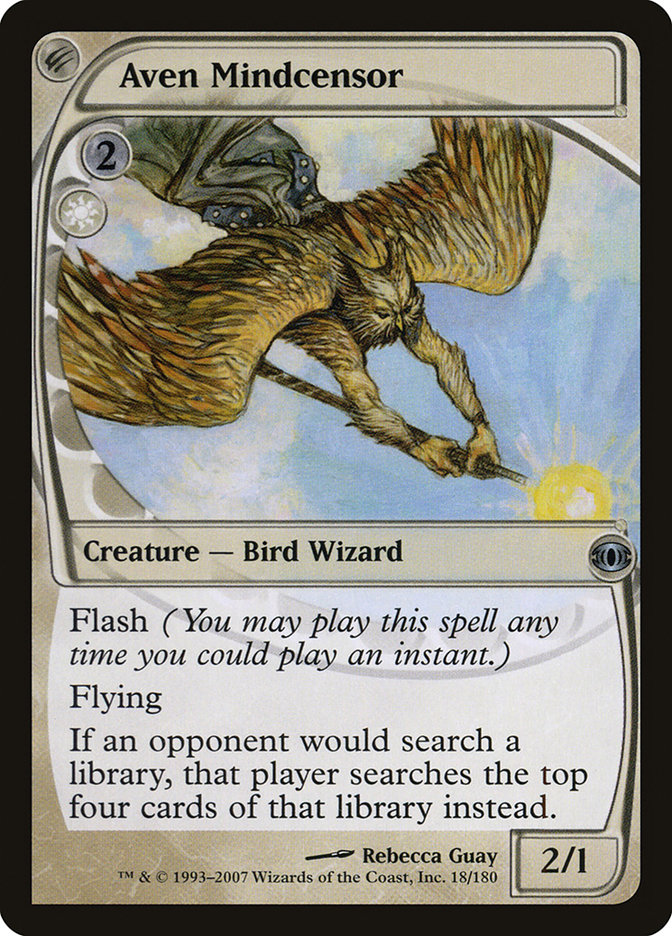
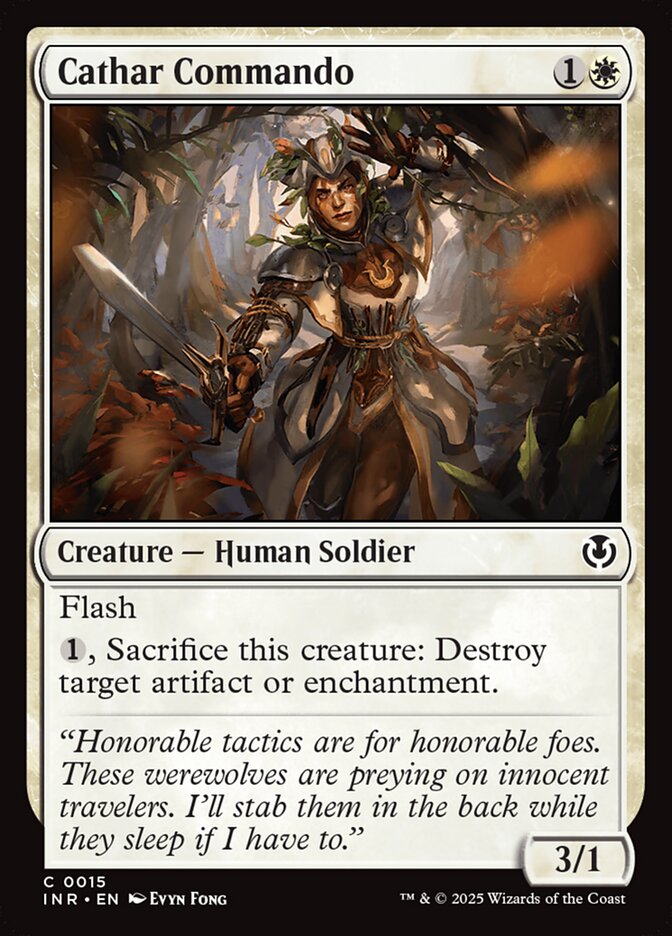
For instance, a good white deck, while running Rule of Law, should be playing on their opponents’ turns, circumventing the once a turn spell by playing spells on everyone else’s turns. Flash is a very good keyword here to enable that interaction.
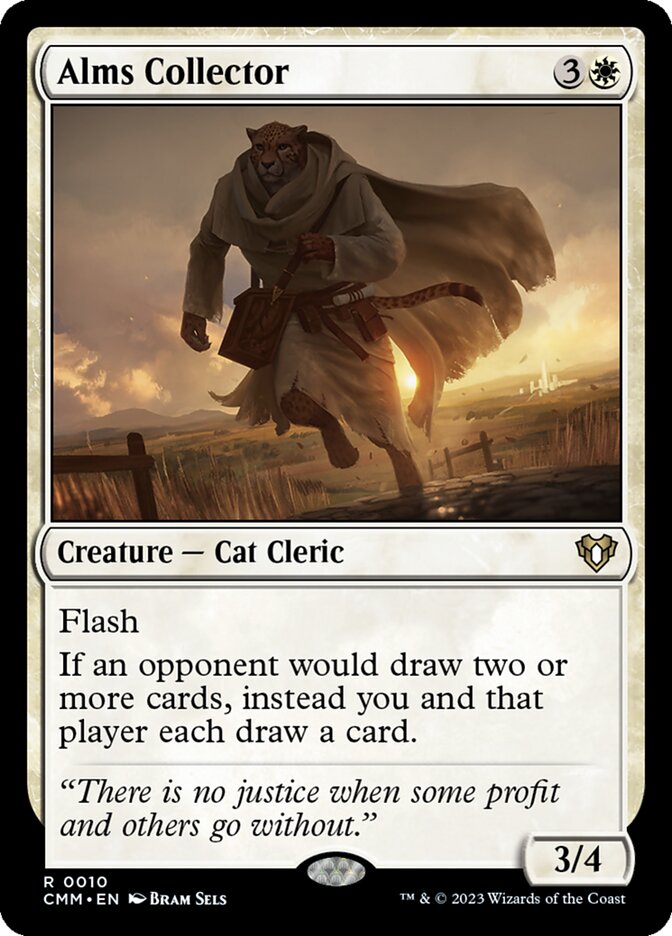
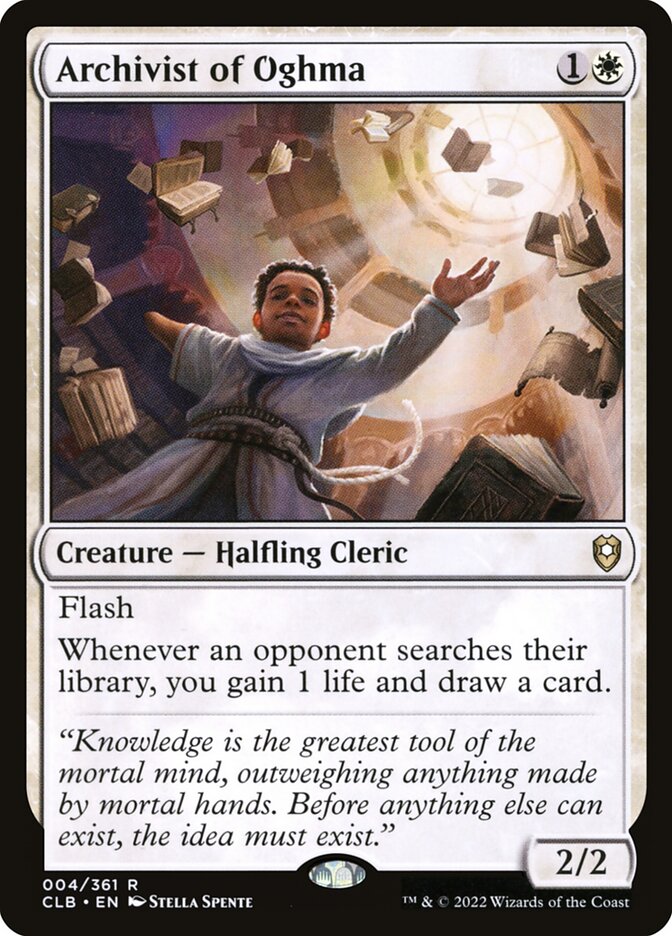
White is all about shifting and moving balance. And many white cards don’t actually punish your opponents advantages but rather seeks to borrow and mutually gain off their moves instead. White may somewhat limit the advantage as seen in Alms Collector, but white isn’t looking to completely deny that advantage. Remember that white seeks to delay, not deny such as in blue with counterspells (white does have a few counterspells though).

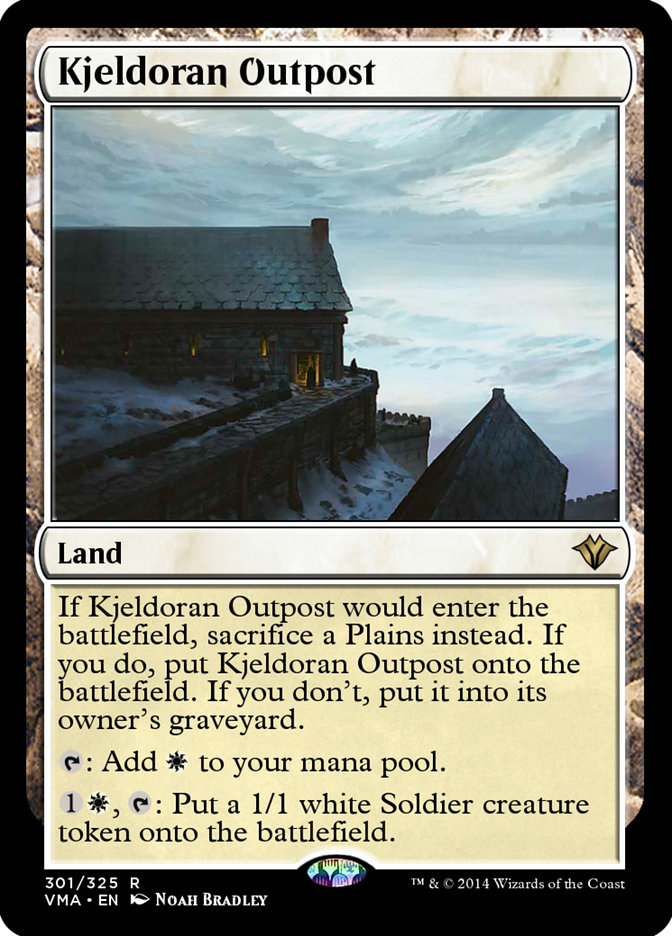
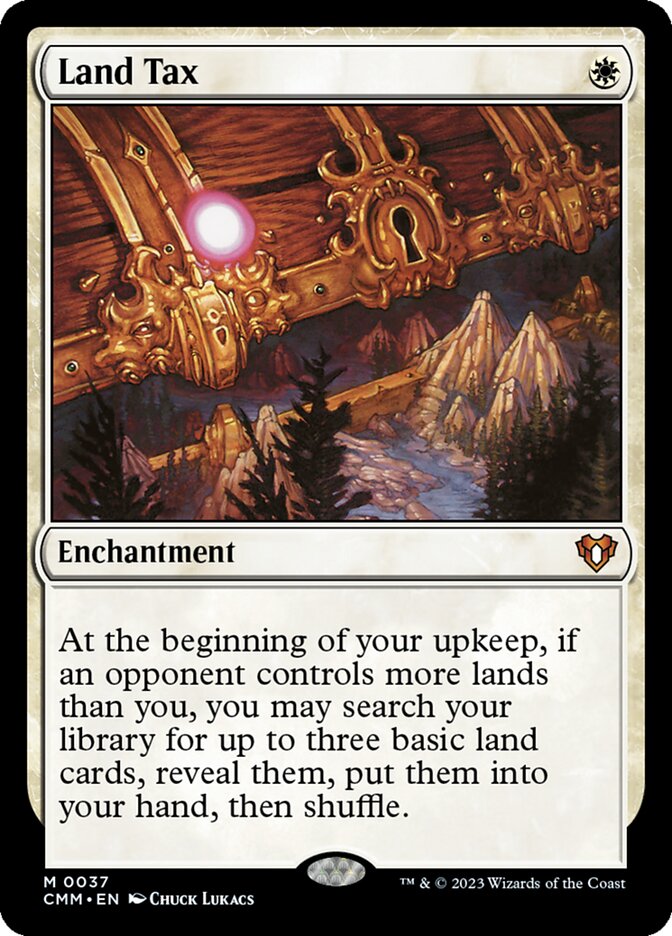
White is notorious for catch-up ramp where you would be cheating out lands from your deck when you are behind on lands. There are many ways to do this, but in Commander, one very common way to make sure that you are behind on lands is through the use of bouncelands like Karoo which bounces lands back to hand, keeping you behind by a land.

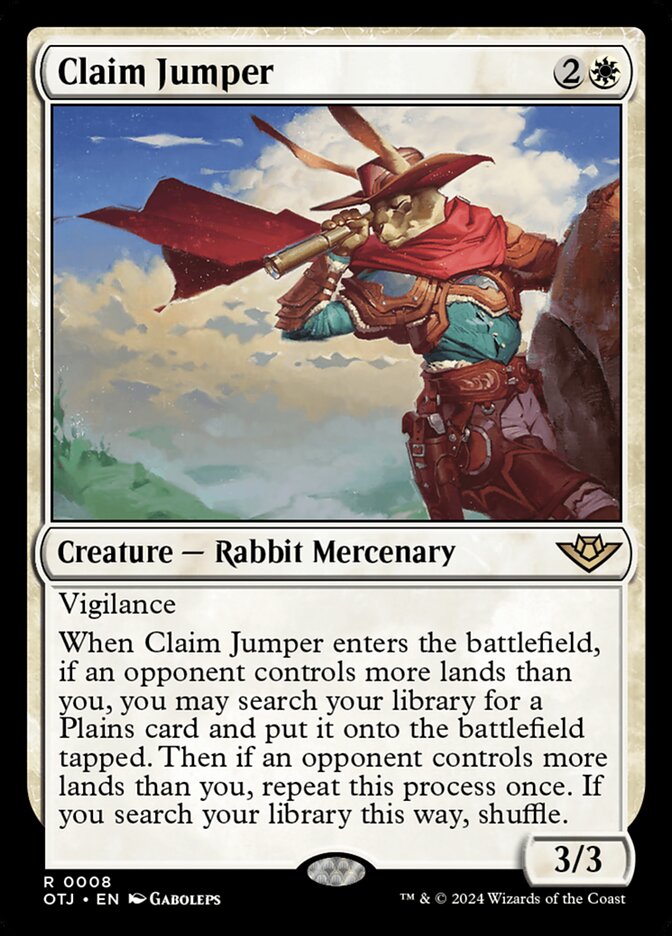
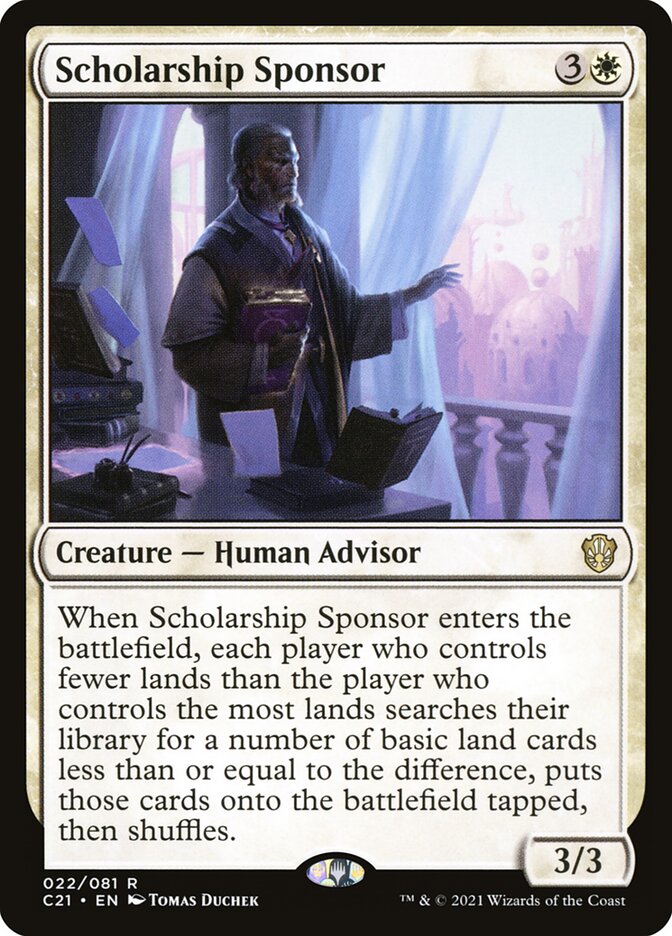
If you love catch-up ramp, white is loaded with them. And I mean a lot of them, especially with newer cards.
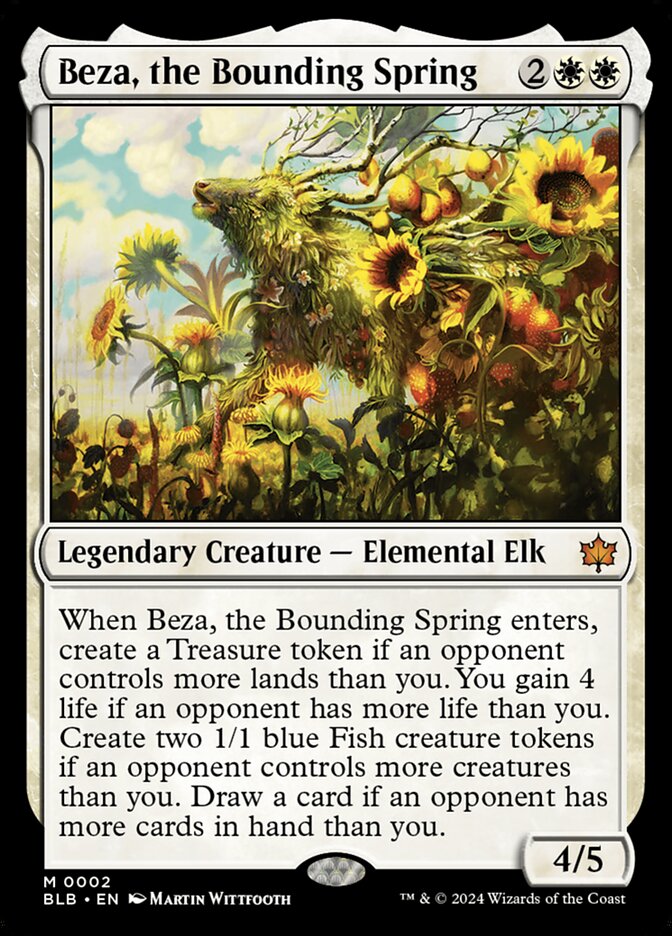
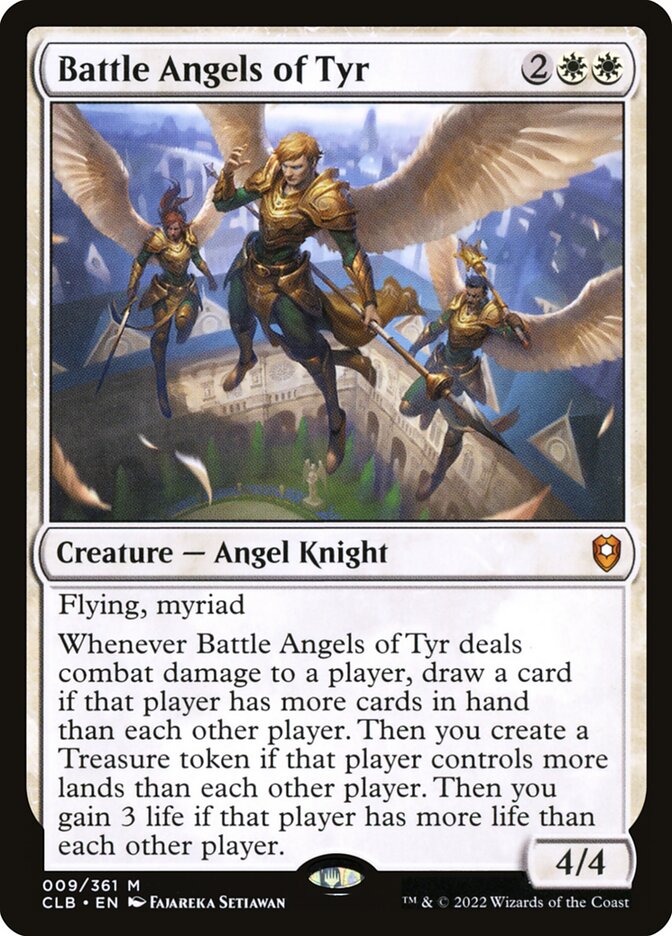
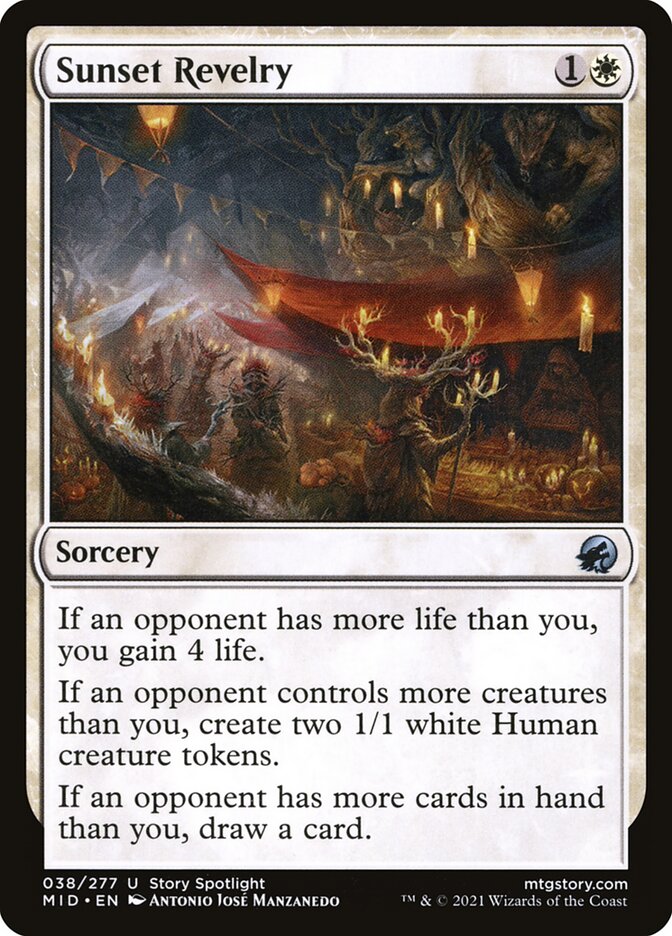
Now lands aren’t the only things that white can catch up on. White is all about balance, and when I say balance, I mean everything. White will catch you up on life, draw, creatures, and etc., if your opponents have more of those things than you. The key note is that you need them to have more than you when the white cards you play check conditions.
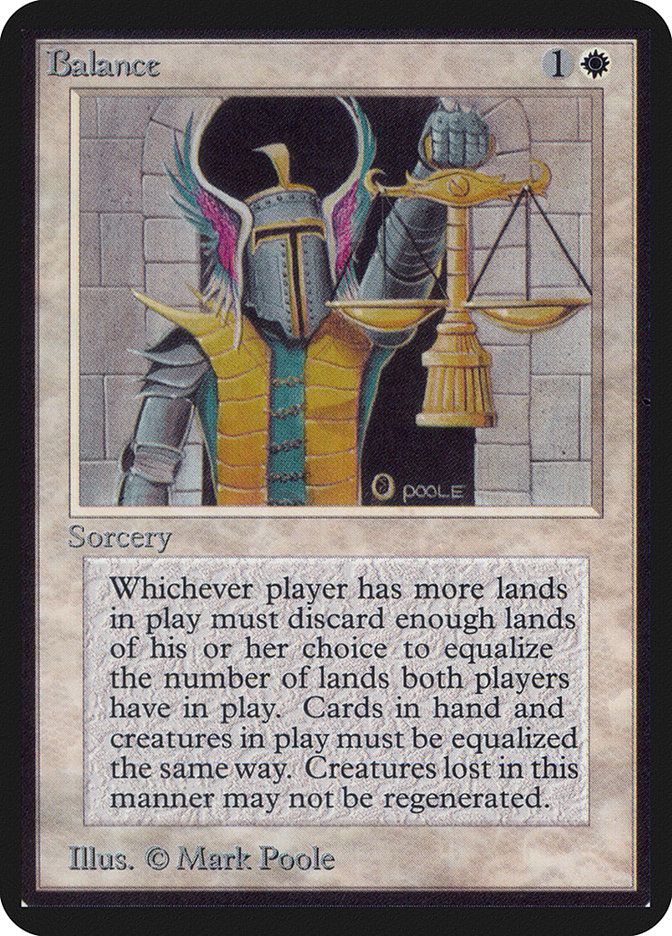
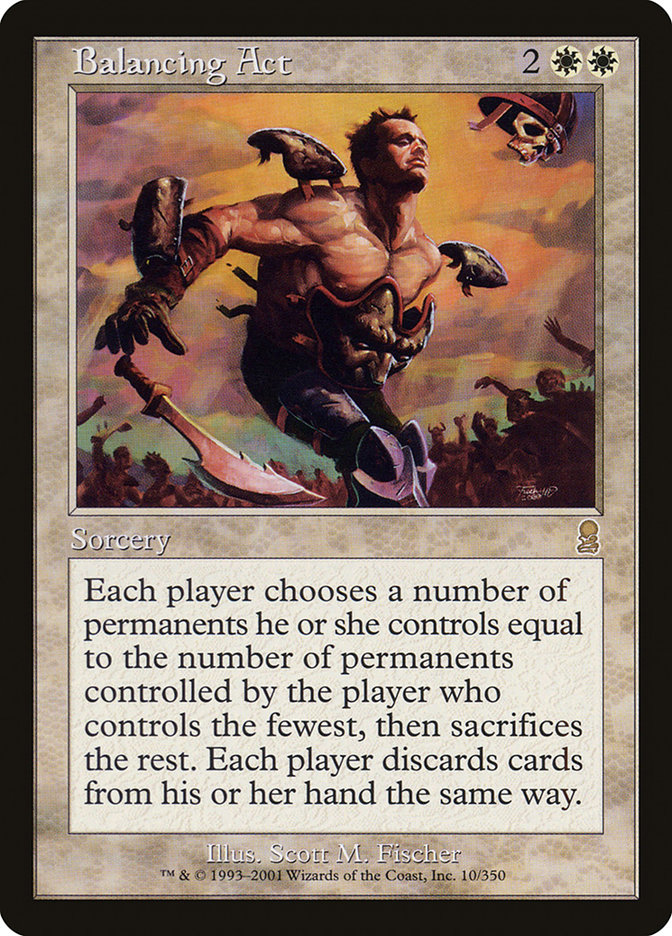
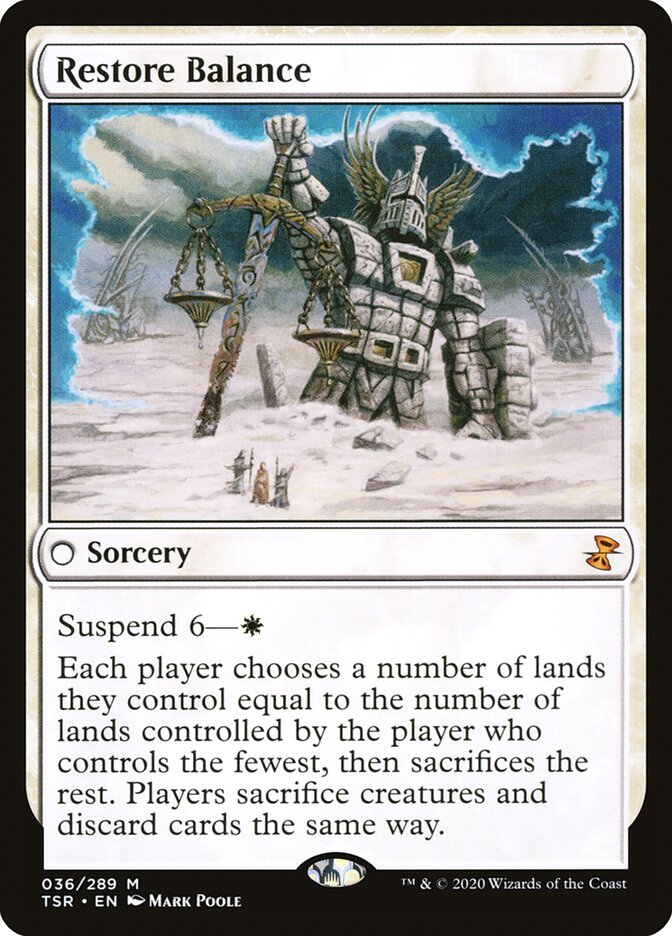
Ultimately, one of the strongest and rightly banned white cards is the card, Balance. Balance makes everyone equal by forcing players to sacrifice and discard cards until everyone has the same amount of each on board. Your opponents get to choose, but essentially, this forces every player to eventually become the same, pushing the strongest player into the weakest player’s position. Its legal cousins in Commander are equally evil, but they are far worse in either costs or, in the case of Restore Balance, the time needed to play the effect (it has suspend). There are ways to cheat the timing.
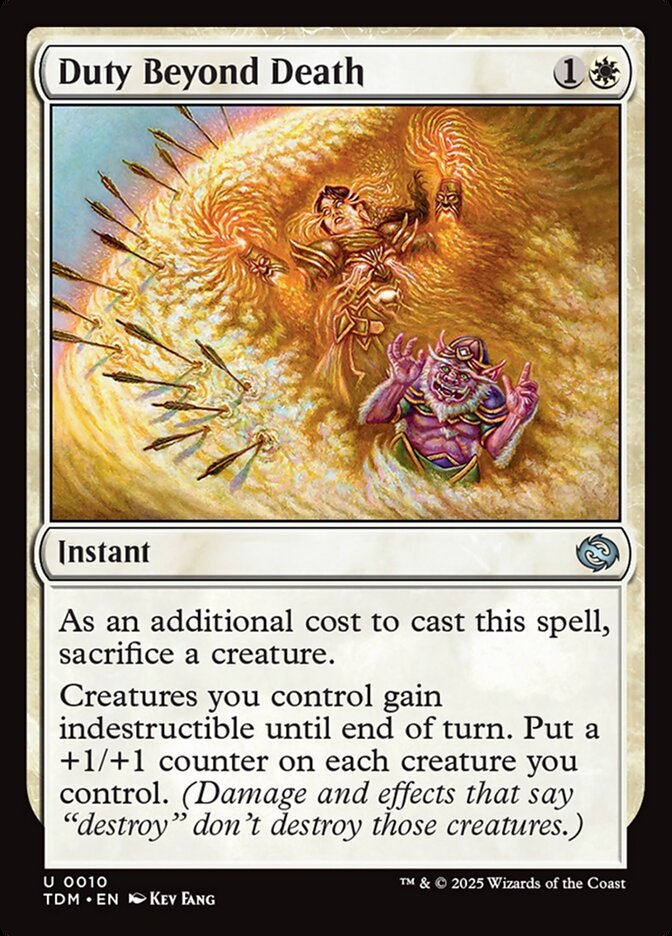
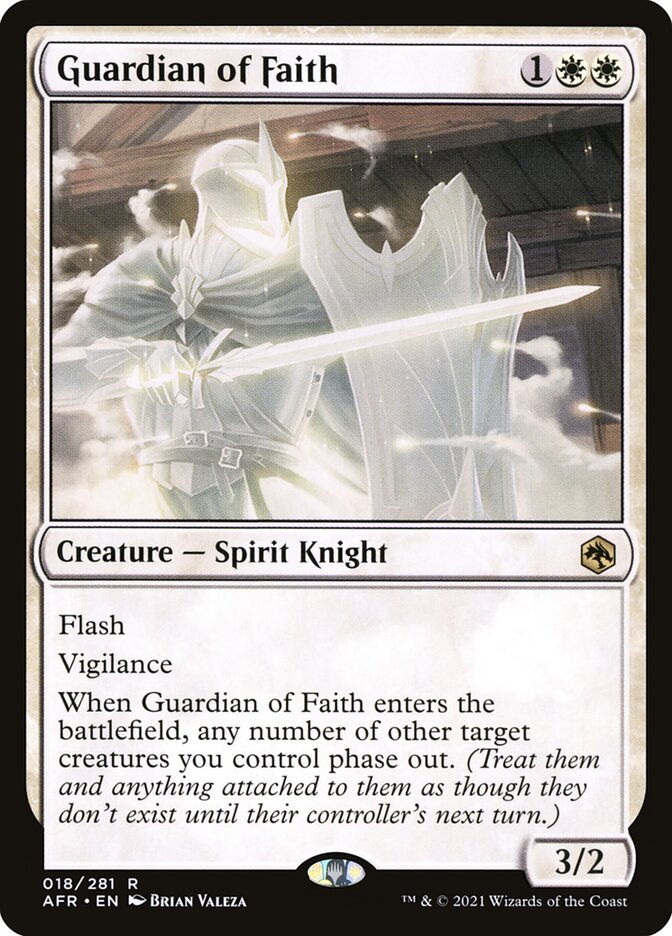
The trick with white is learning when and how to manipulate balancing in your favour. It does pay to be in the losing seat sometimes, especially in white. Sometimes being behind slightly is a good thing, and you can use this to your advantage. One infamous combo is forcing everyone to sacrifice permanents until they have the same amount as the lowest player, and then holding priority and casting Guardian of Faith. Now your board will phase out, meaning you’ll likely have the least amount of permanents when the sacrifice spell resolves, and then everyone else loses most of their board while your cards just phase back in on your next turn.
Balance is a constant shifting scale, and it is up to you as the white player to tilt it in your favour.