
Red is usually considered the weakest colour in EDH. Now, the irony is red is extremely powerful in constructed and limited formats outside of EDH. The difference with EDH is that life totals are bumped up twice the normal amount, making life much less of a concern compared to that of the other formats.
In other formats, red rushes and progresses the game with damage and aggressive output. Games with red in play are usually much shorter. Just like in EDH, red doesn’t really maintain much hand, but they make up for it with the mass amount of damage and removal that they offer instead.
When it comes to EDH, this is a bit of a setback for red since they need to perform quadruple the aggression to make up for the increased life totals and multiplayer format. Red isn’t exactly the colour of advantage. In order to make-up for the amount of damage that is done, red typically doesn’t make any returns on hand and the advantage gained is temporary at best.
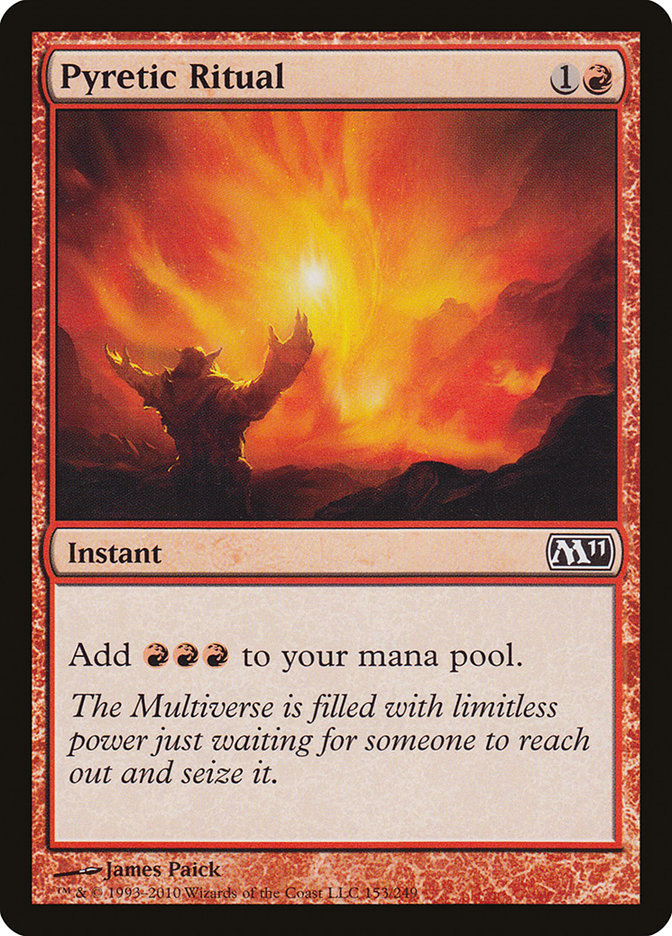
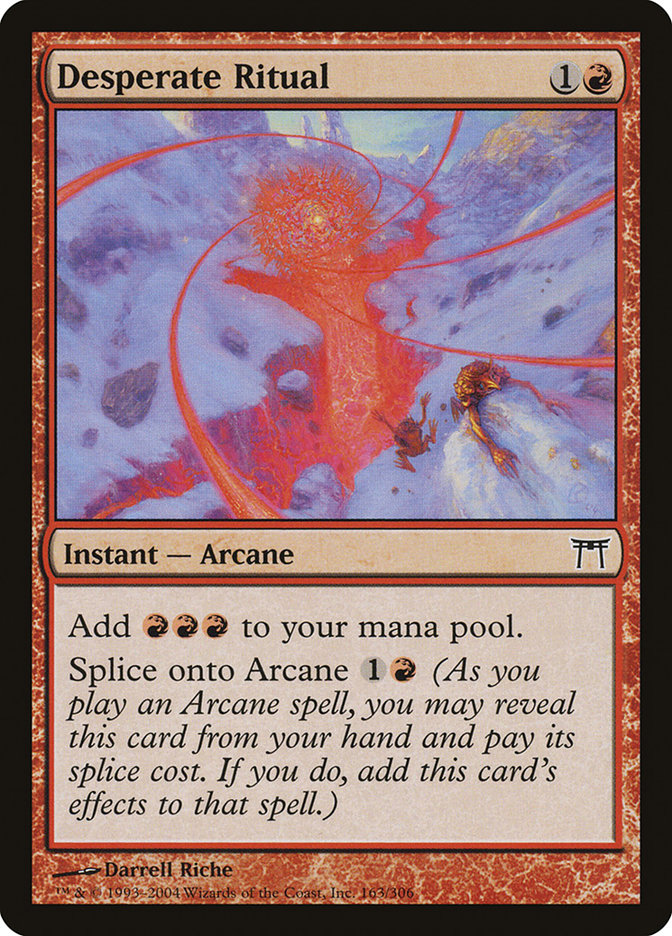

Red embodies the spirit and quote of “time is of the essence.” For red, time is limited. You have access to resources and plays but mainly for immediate play. There is no next turn. Red doesn’t think about the future. Red is all about the present. However, that doesn’t translate very well in EDH, a format where games can last for a large amount of turns, and turns that take long are prone to heavy complication.
In order to maintain relevance and play-ability in EDH, red must find a way to gain advantage beyond simply burning opponents out. Red doesn’t have traditional draw in the sense of adding cards to hand. Red has been given a few forms of “hand” advantage but in ways that are not the most conventional. I do want to make it clear that I am not saying red is bad by any measure. There is a large misconception that red is the weakest colour in EDH and is by default bad. I want to make things clear here where red is not necessarily as powerful as other colours in the format mainly due to its lack of inherent traditional hand and resource advantage. That’s not to say that red cannot be powerful in its own right.
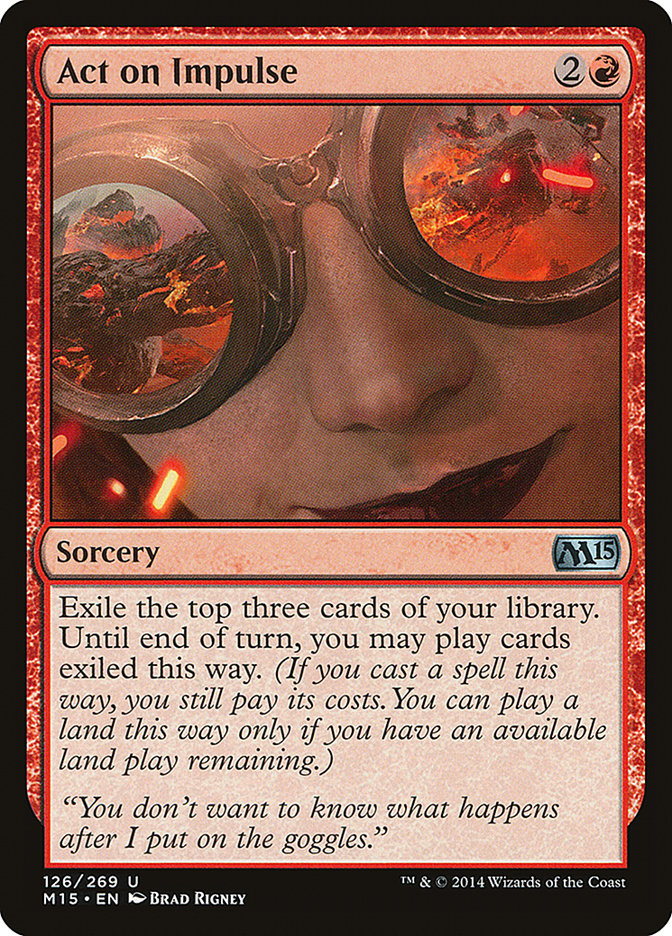
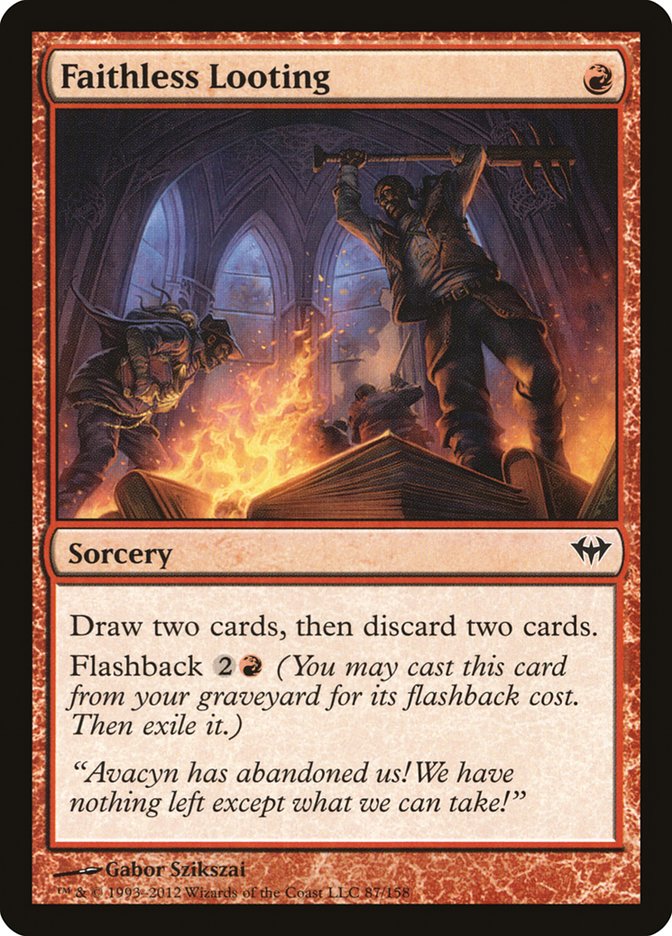

As stated before, in order to keep up with the other colours, red needs ways to generate advantage through both hand and resource. Red does this in quite unique patterns compared to the other colours. There are typically three main ways that red gains hand advantage, and that is through impulse draw, looting, and wheels as shown above. I will be breaking these down further individually.
To begin with, impulse draw, which is exemplified with Act on Impulse, is a type of advantage where red places cards into your exile zone, typically from the top of your deck. These cards can be played as if they were in your hand, but they only last at most until the end of your next turn in exile. If you do not cast them, they will remain in exile forever. I think this is the most common way of red achieving hand advantage. This advantage is temporary as is the typical pattern of red, but it provides you plays that you may use. Impulse is rather random since it is the top of your deck typically speaking, and you may not have any choice in what is shown. But this can also be said the same for drawing with the upside that you keep your cards in hand instead. Impulse embodies the spirit of red by being fleeting and short-lived while providing immediate bursts of advantage. But because of the complexities of EDH, players may often want to hold onto their advantage for additional turns down the road which cannot be accomplished with impulse draw.
Looting, as shown with Faithless Looting, is red’s primary way of hand-fixing. You don’t gain hand through looting. You simply transform the resources in hand into different resources from the top of your deck. Nothing is gained and nothing is lost. Looting can cycle you into some more advantageous cards, but it doesn’t push your advantage further. However, looting can be turned into some more advantageous forms when intermixed with some other mechanics.
Lastly, and arguably, the most dangerous form of hand advantage is the wheel. Now most players are probably antiquated with wheeling through cards such as Windfall. Wheeling is the most direct form of hand advantage and arguably the riskiest form available. The issue with wheeling is that it typically a symmetrical effect. Everyone gets to wheel when you perform it, especially in red as shown with Wheel of Fortune. It does give you a fresh hand for sure, but you are also potentially filling your opponent’s hands with some more deadly threats. As such, I typically do not opt for wheeling outside of turning it into a wincon usually by milling out my opponents.
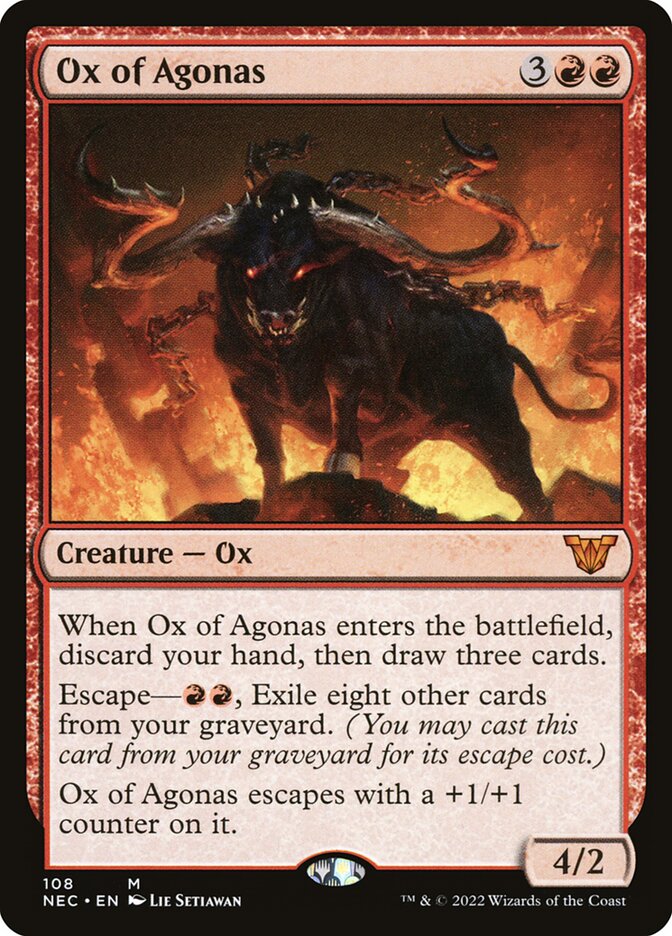

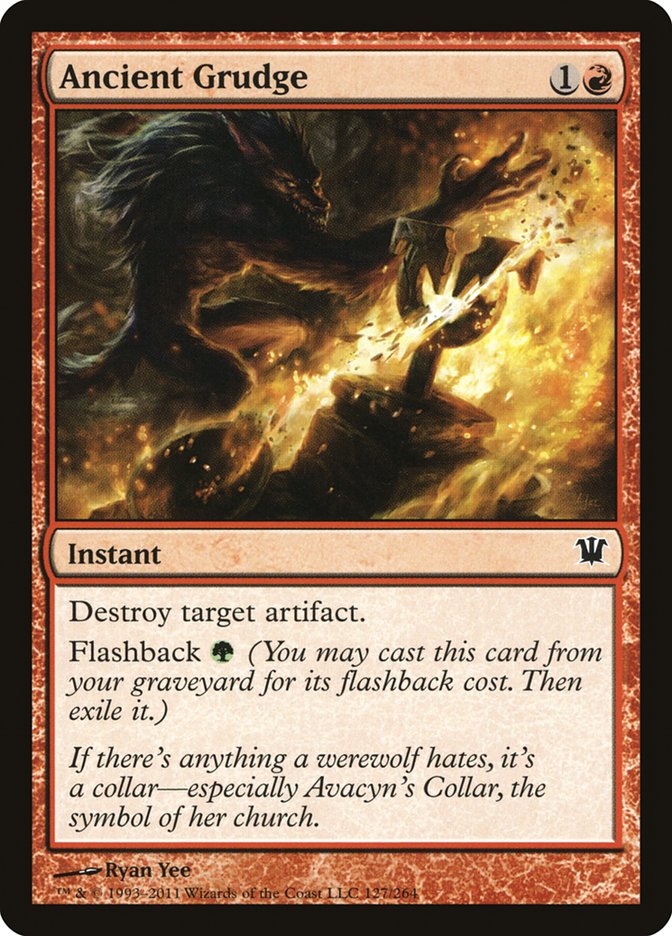
One common misconception and misplay is misunderstanding how to use looting and wheeling effects to your advantage. While red doesn’t really “draw” cards, you can use the advantage of discarding cards to your inherent advantage. Mechanics like Flashback let you reuse the cards that you discard. Madness reduces the cost of the card discarded and also lets you cheat the timing of the card that you play. Furthermore, when it comes to wheeling, especially if you are wheeling yourself, you can wait until you are empty handed or low on cards to minimize the impact of cards discarded to essentially draw for free.
Players aren’t looking into using the different methods of hand generation that red offers in its unique playstyle. Rather than seeing red’s looting and wheeling as weaker forms of draw, you should be taking their mechanics into consideration and turning that into an upside.
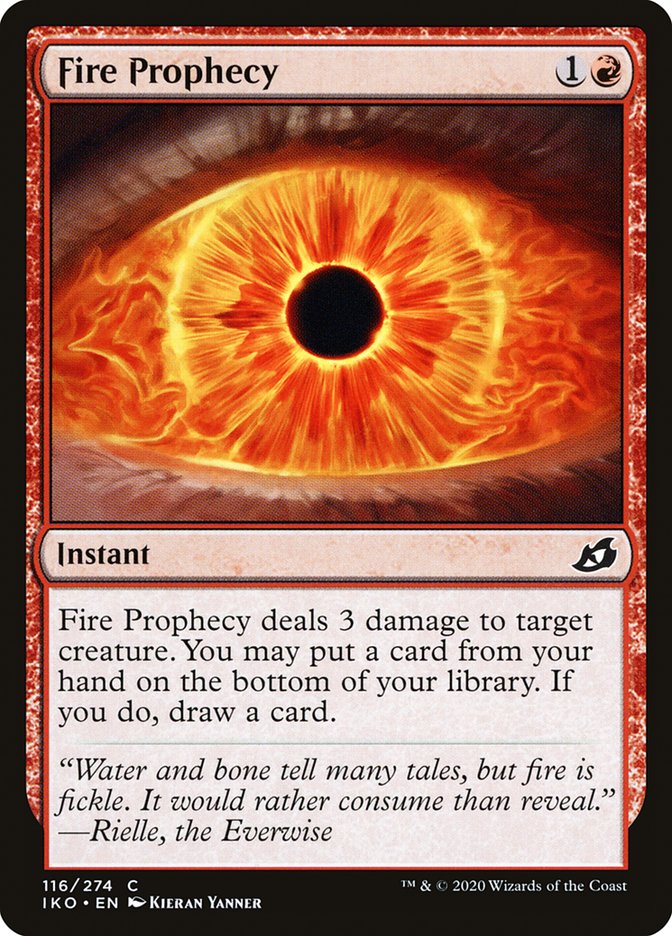
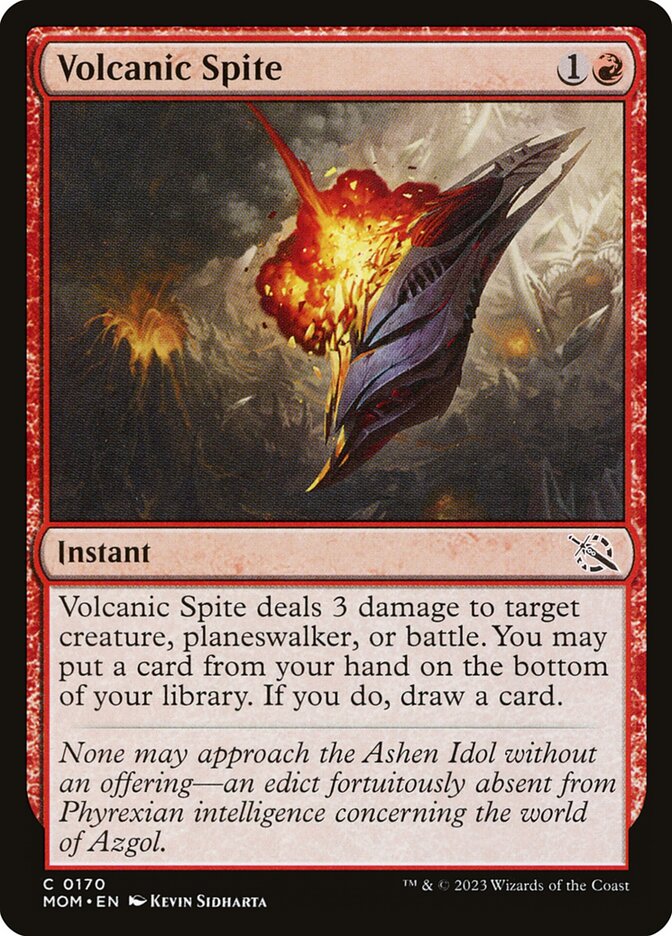
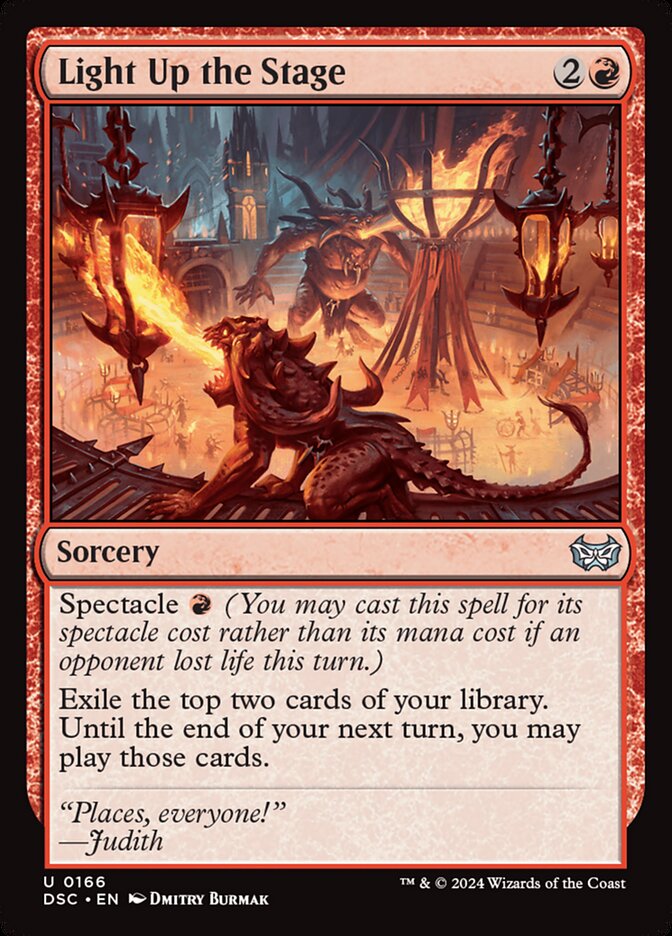
You can maximize potential by using cards that go two-for-one. Instead of simply thinking of red as solely aggression, utilize that aggressive damage and punish your opponents while gaining advantage from these plays.
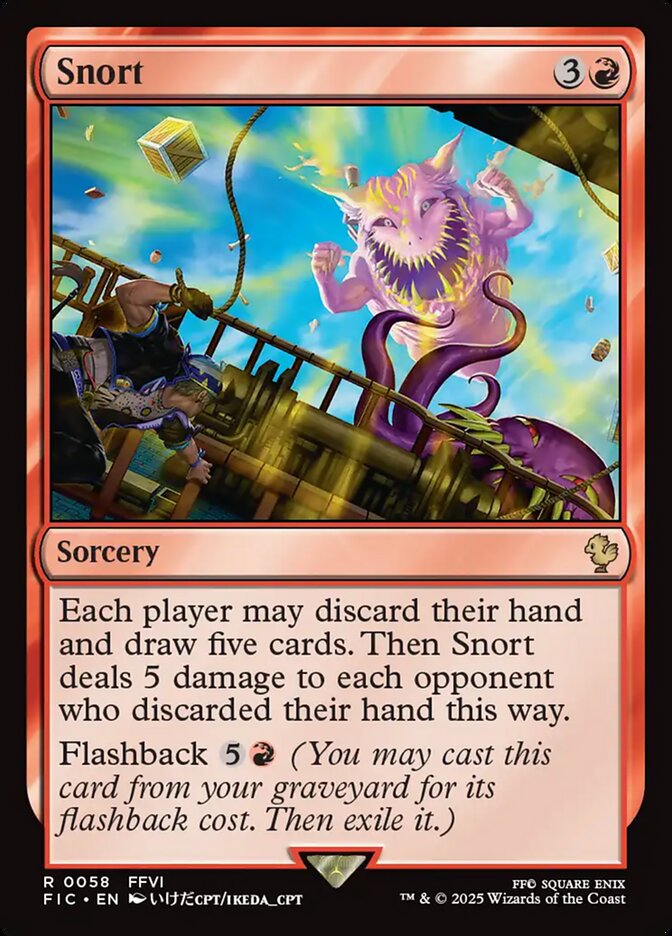
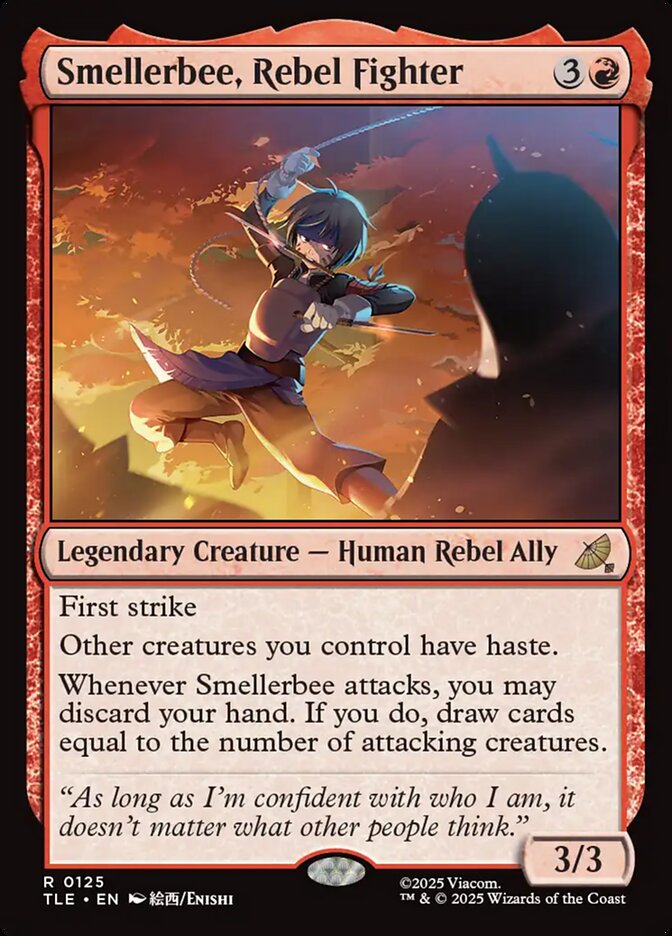
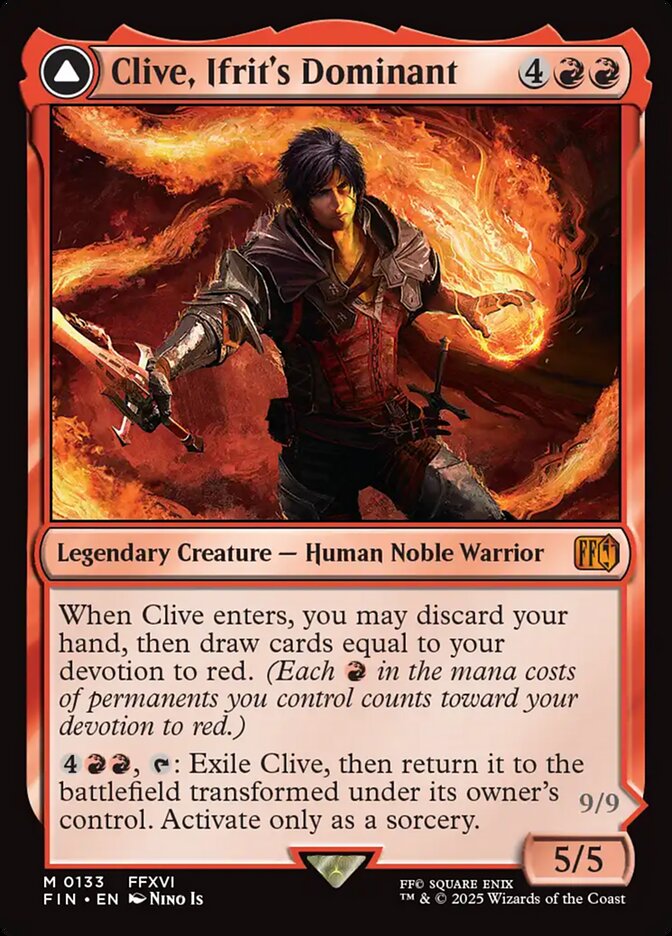
The beauty of red draw, especially when it comes to wheels and looting, is to make it work for you when you want it to. Don’t let your opponents wheel their hands for free; make them pay for it. Furthermore, when it comes to looting (any form of discarding and drawing), play in ways where you never actually lose any hand advantage. Maybe you need to wait a turn or two and then consider going through with your draw. Whatever the case, red is all about that timing and maximizing on your value.
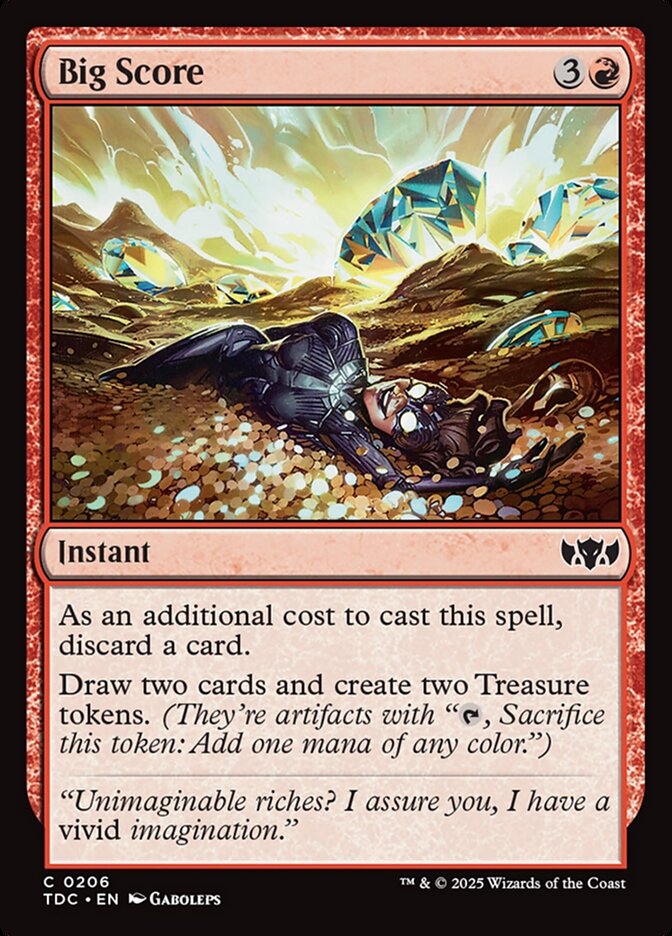
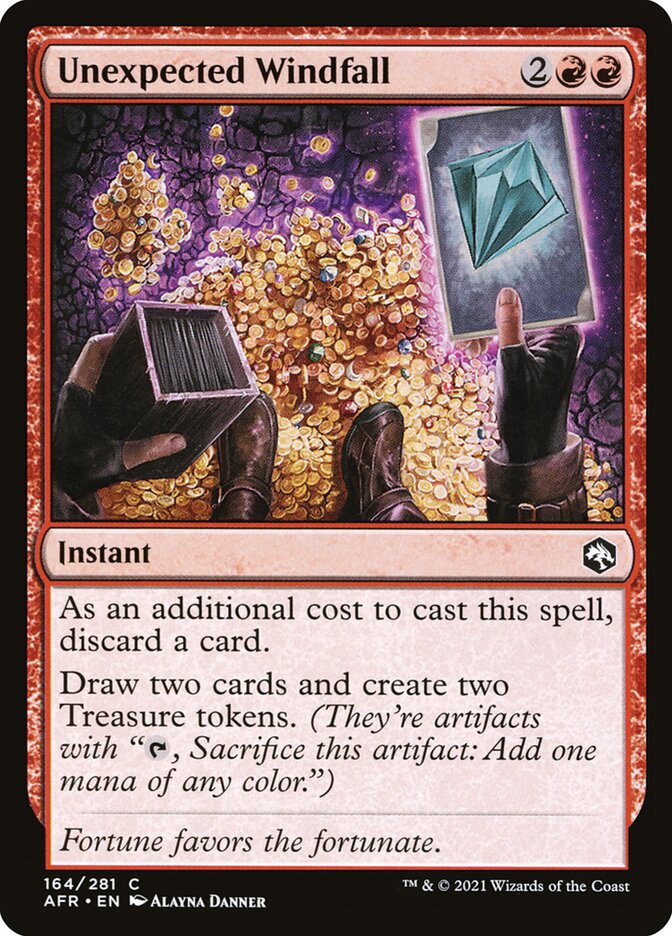
Don’t just loot. I’m tired of players running cards like Tormenting Voice. You have much better options now. I know that red often needs to go through some hoops to get that nice juicy hand, but it’s a sacrifice and risk that is just part of red’s identity as a colour. What I’m saying is don’t just settle for basic hand-fixing. Go for gold, quite literally, and transform your way of getting hand into misery for your opponents. Make that draw count in more ways than one.
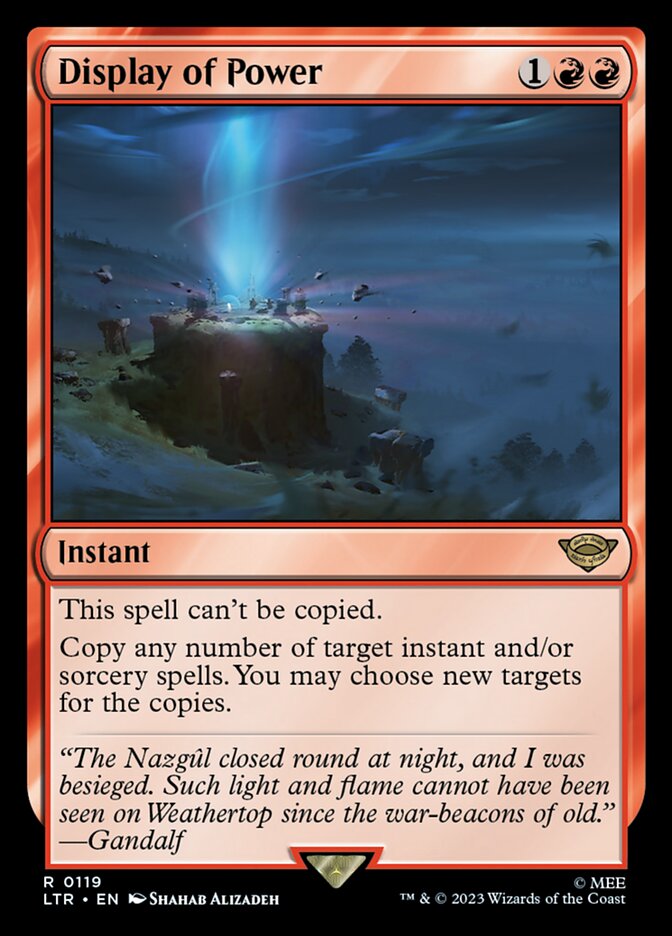
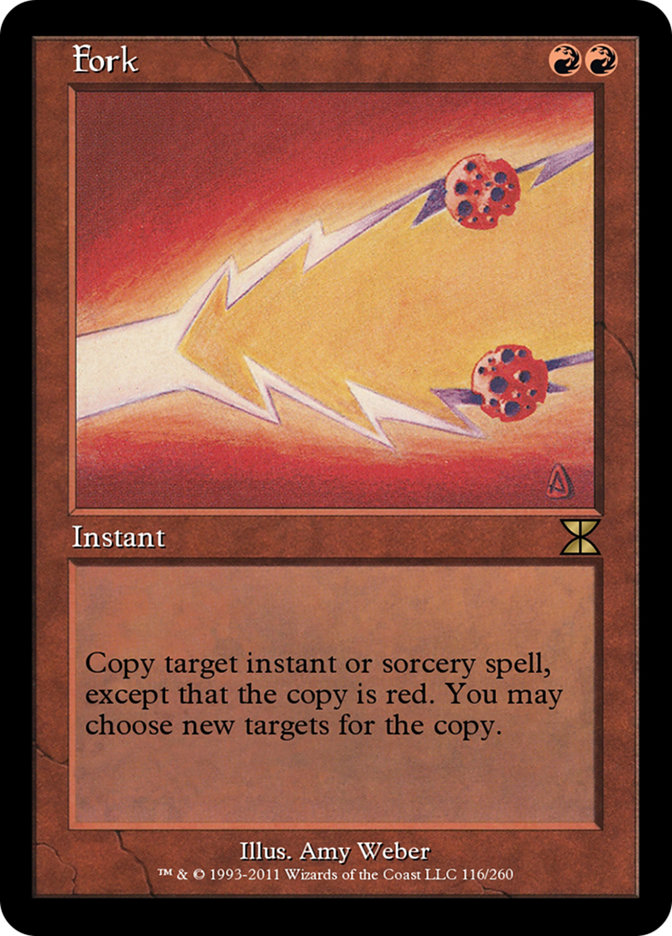
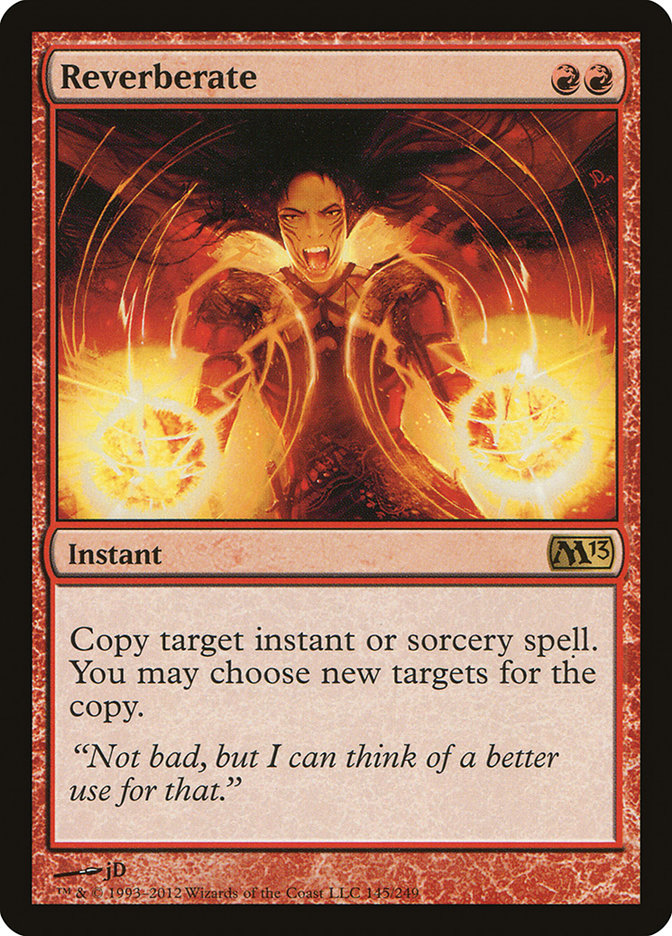
I’ve neglected to mention one more convoluted form of card draw for red. That is to say: if you can’t beat them, join them. Steal your opponent’s draw spells. The best type of draw is draw that you didn’t put effort into performing. Just have your opponents freely “give” you card draw. Don’t think of it as blatant thievery; red is an honourable colour that is direct and straightforward. You’re simply borrowing their spells without returning them. There’s no harm in it. It’s just like copying your friend’s homework.
Now I won’t lie. Red’s card draw is still not the best. You aren’t going to win the race against the likes of blue. Red trades that later game advantage for immediate threat-making and fun chaotic revelry. You are the star of the party, better than that know-it-all bum, blue. But I want to make things here clear. You may not have access to the best card draw in the game in red, but that doesn’t mean that you shouldn’t put card draw in your deck. All decks need draw to keep playing spells and apply pressure to their opponents and create advantage. That is a necessary fact.
I want to get past that aged stereotype where red can simply not draw or is very bad at it. We need to change our lens on the whole idea of red is bad. Players are simply lost with the general conception that red is only good in limited or a splash colour for powerhouse cards like Jeska’s Will. I think the bigger problem is players aren’t maximizing and harness the power of chaos and destruction. Rather than try to imitate other colours, focus on what red does best.
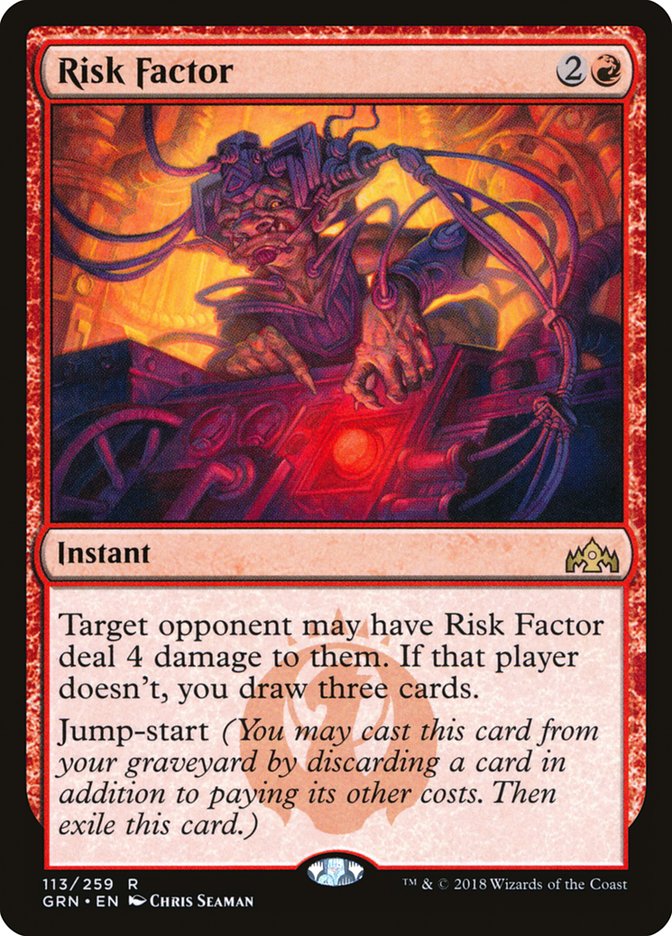
If there is any singular card that I would say best exemplifies what it means to draw in red, it would be this card above. Getting hand in red is a task that requires effort and sacrifice, but it shouldn’t be as miserable as players tend to exaggerate it is. You should be looking to run card draw for sure, but with every bit of card draw, either you get ahead and/or your opponent starts bleeding.