
Wrath of God is probably one of the most well-known effects on the Commander table and for good reason. When the table becomes clumped up with nonsense, and especially if you are behind, a good old wrath can clean everything up and make it spotless again despite the grumbling of your opponents.
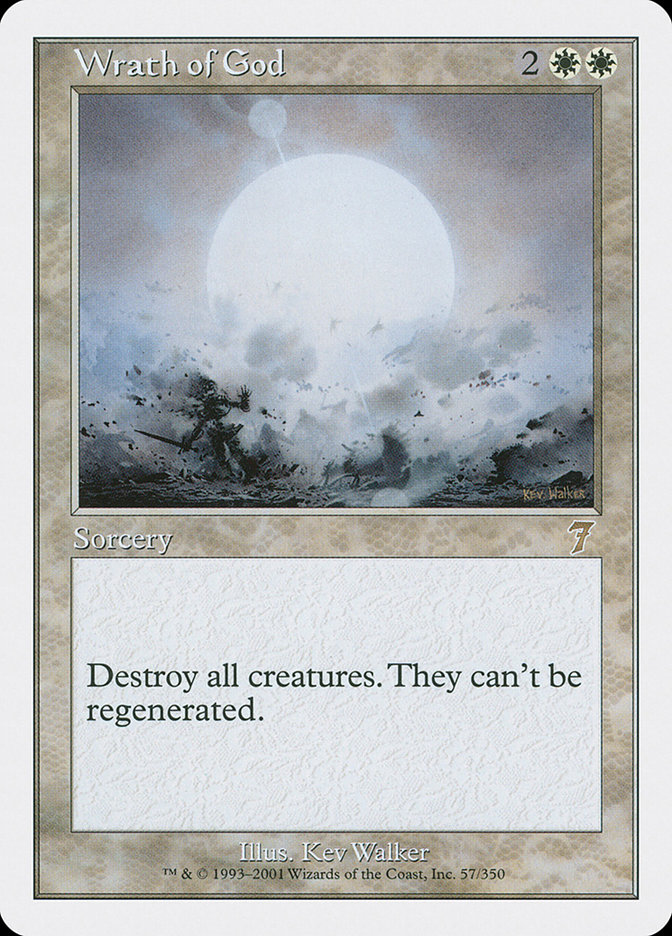
I personally prefer this art the most out of all the possible arts. Wrath of God erases all creatures from existence. It’s a pretty expensive sorcery, but if you have a cluttered board, Wrath of God is often potentially even a 10 for 1 trade.
Wraths, basically any variant of Wrath of God, are a means to an end. They don’t actually put you up in terms of game state and advantage (most of the time), but they are a solution to an existing problem, even if temporary. They have mixed responses, but for most casual players I find, many understand that they are a necessary component of the game.
One common thought is that “I’m not in White so how can I wrath?” Well, the reality of wraths, and especially in 2025 Magic the Gathering, is that wraths do exist in every colour for the most part with some slight oddities in green. Yes, even green has wraths, but they are more convoluted. Wraths typically target creatures, but wraths can be used to take out other aspects of the entire battlefield. Wraths are usually impartial, meaning that it’s a trade-off as the wrath also affects your battlefield as well. We’ll be going over wraths in each colour and talk about their upsides and downsides.
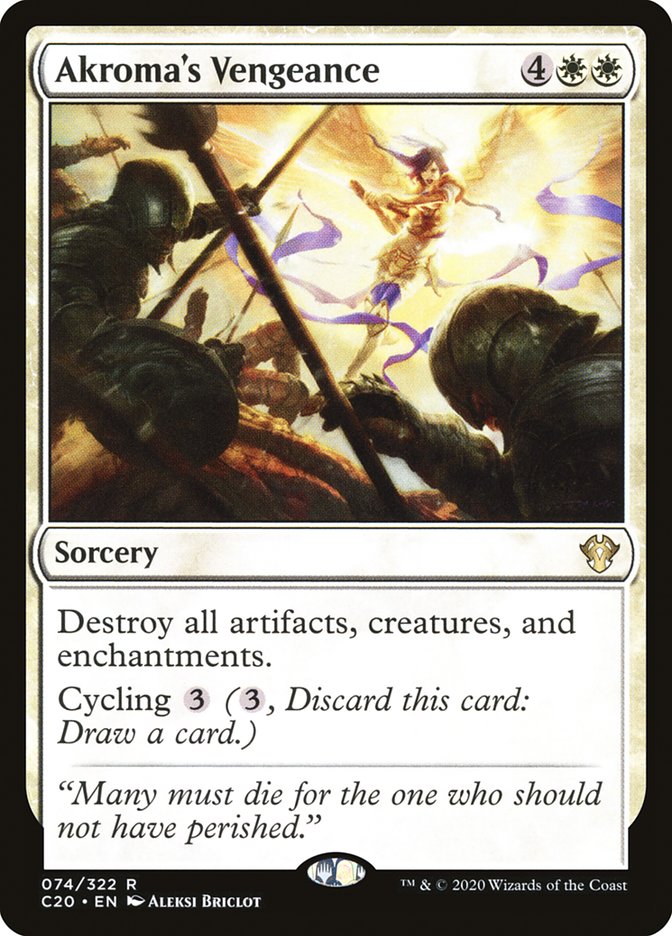
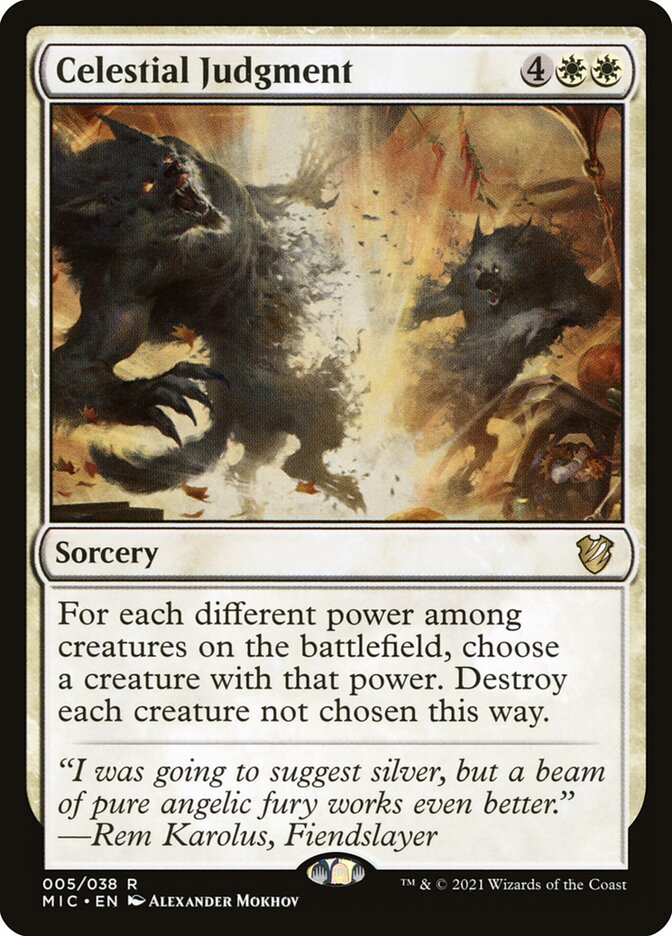
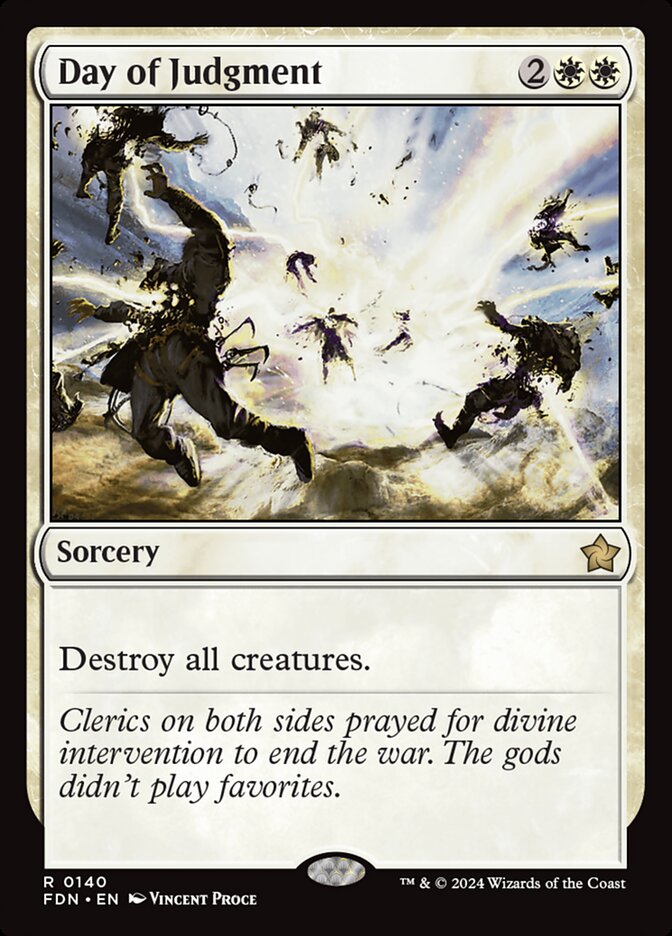
White wraths are the most common type of wrath. White, the progenitor of wraths, has the most wraths of any colour and colour combination. White wraths are very typical of purely destructive effects. There are some rare cases where you get exiling abilities, but they aren’t very common and hard to come by. White can also be quite selective with who or what gets wraths, sparing some cards while getting rid of the rest.
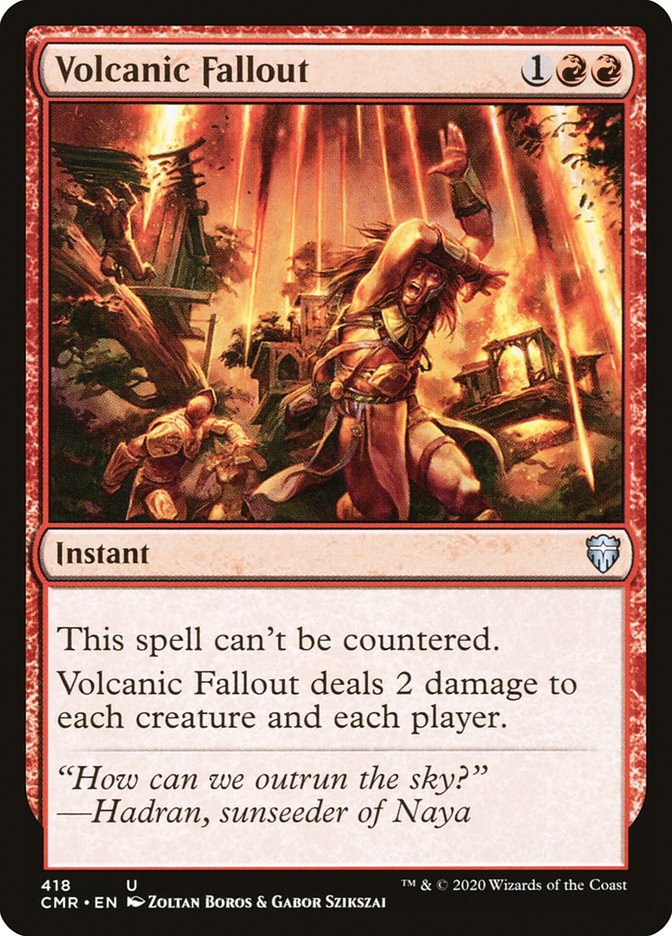
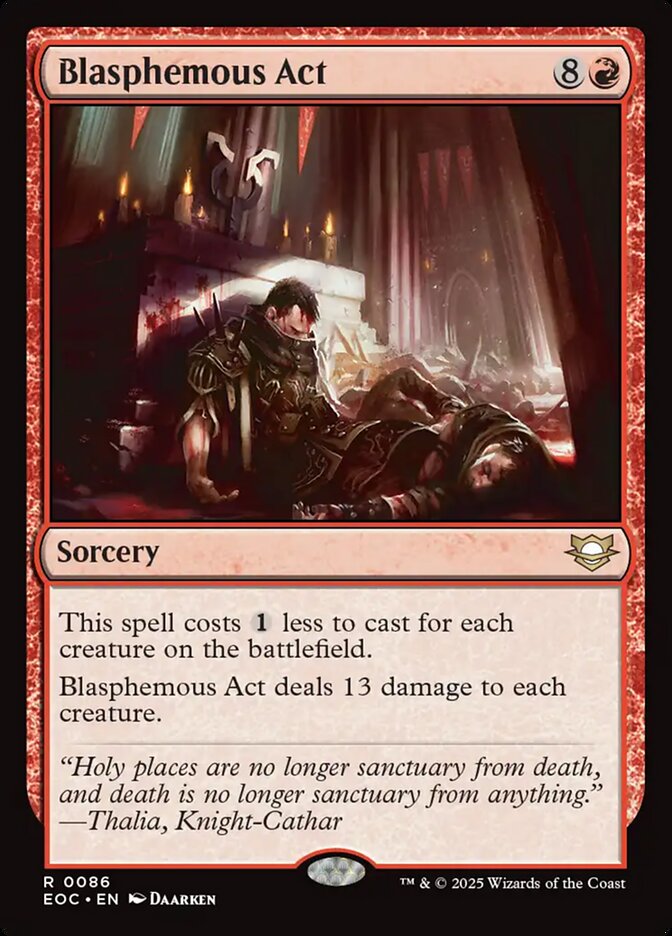
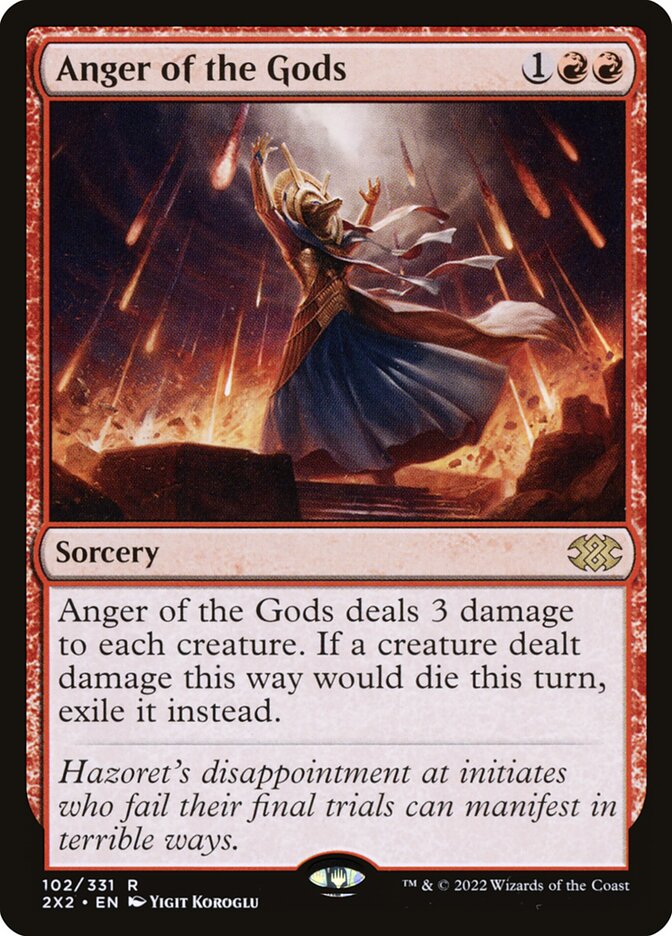
Red has more damaging wraths, so, unlike white, if creatures are tough enough, they can potentially just survive the red wraths. There isn’t really much outside of pure damage typically in the range of Red.
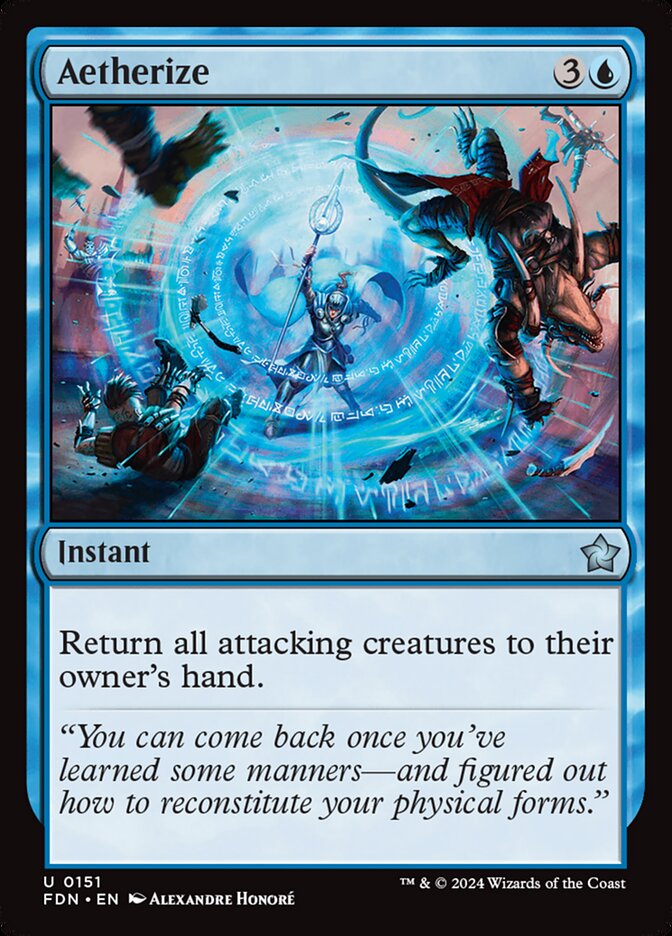
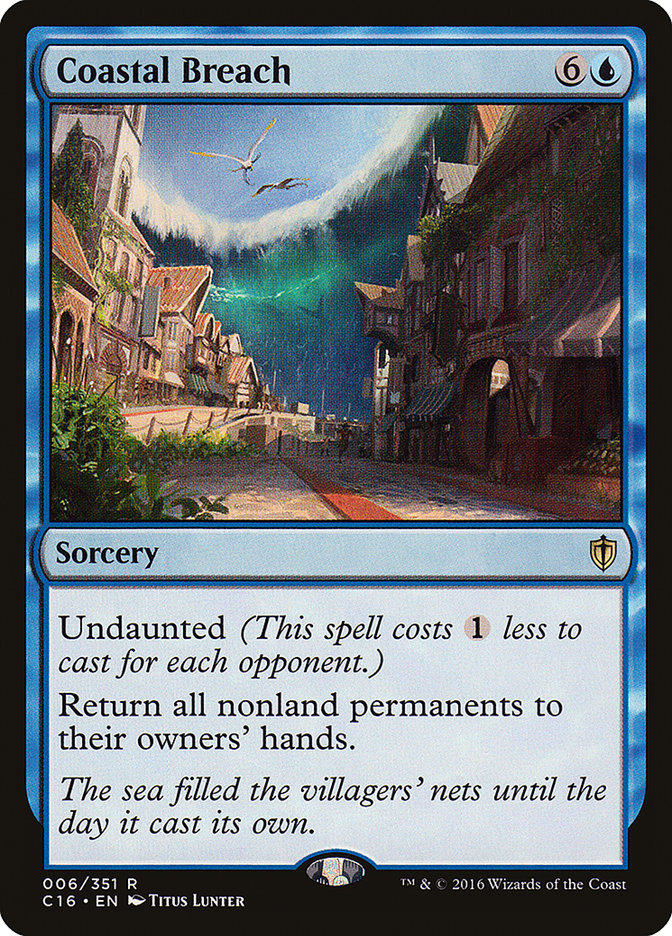
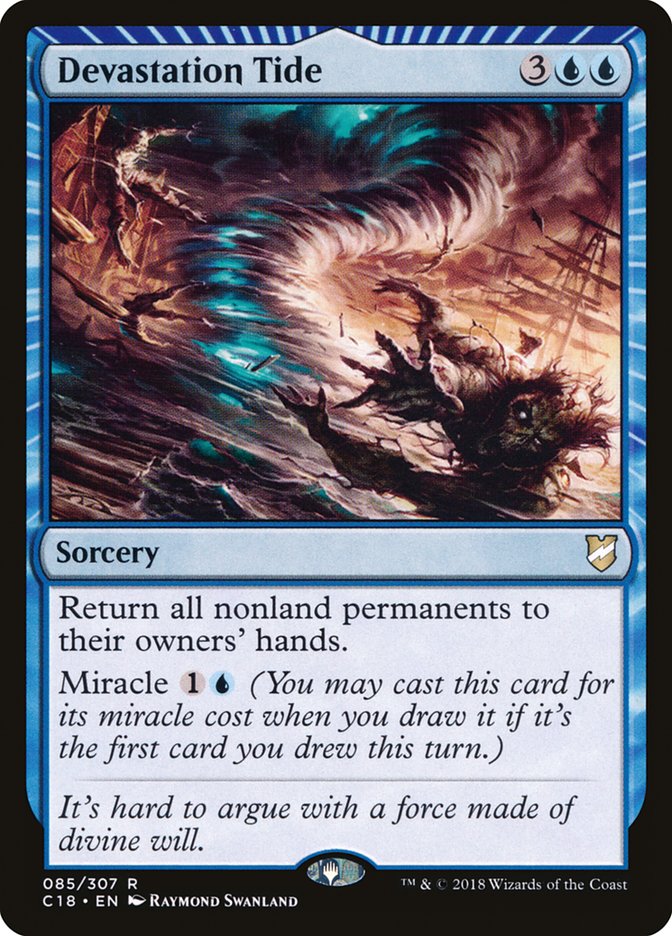
Blue’s form of wraths are typically one-turn delays. Blue is probably the least destructive in terms of wraths. This comes with both an upside and downside. For one, cards are returned to players’ hands, making them have to repay mana costs to deploy them onto field and preventing any combat or tapped abilities if the creatures don’t have haste. The downside is you’ve given everyone back their ETBs (enter-the -battlefield).
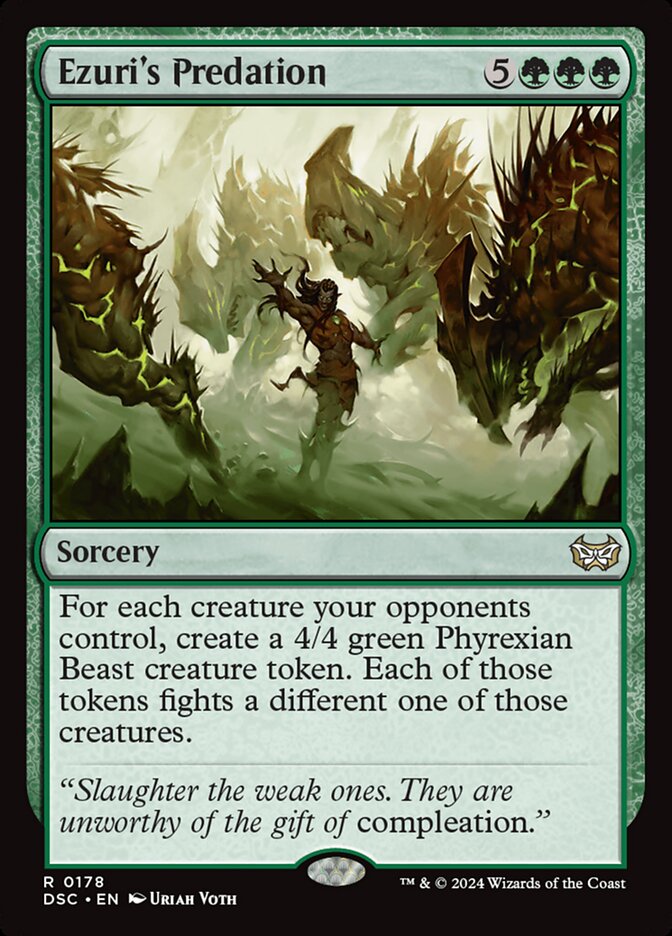
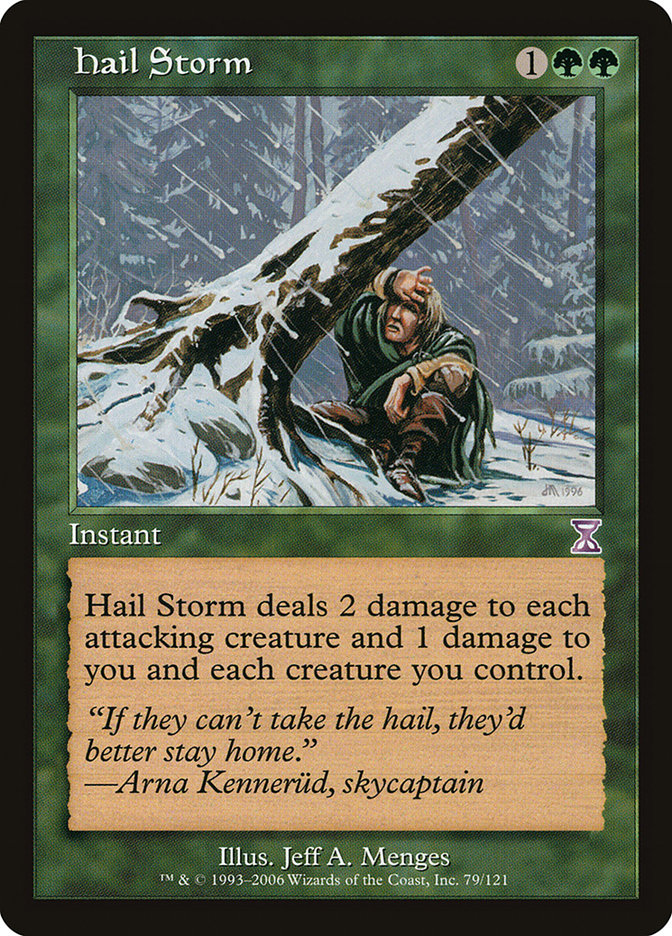
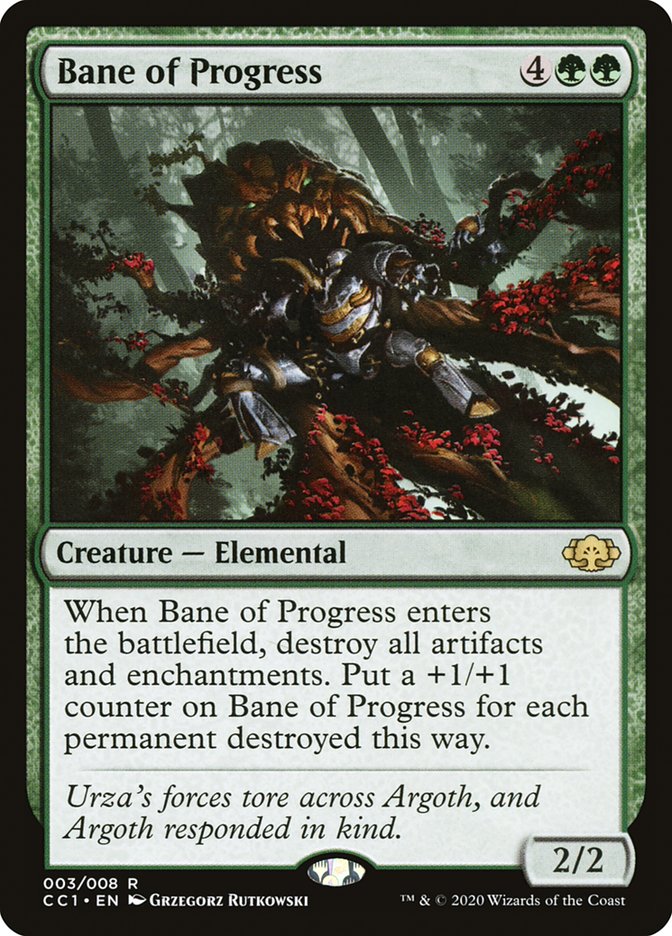
Wraths aren’t typically in the colour of green in the traditional sense as I’ve said before. What green does have is massive amounts of enchantment and artifact removal. Green also typically hates on creatures with flying.
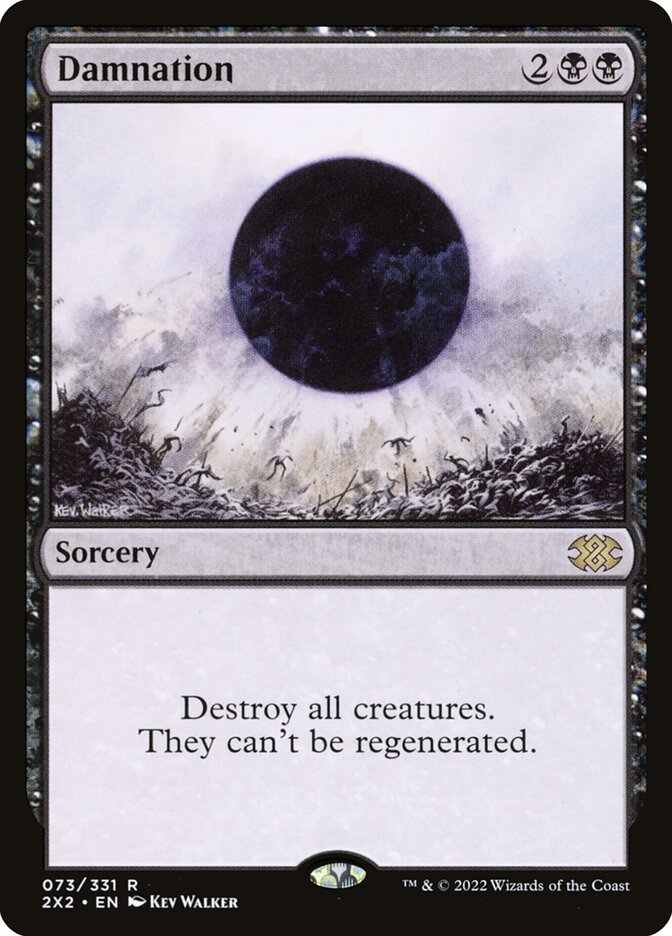
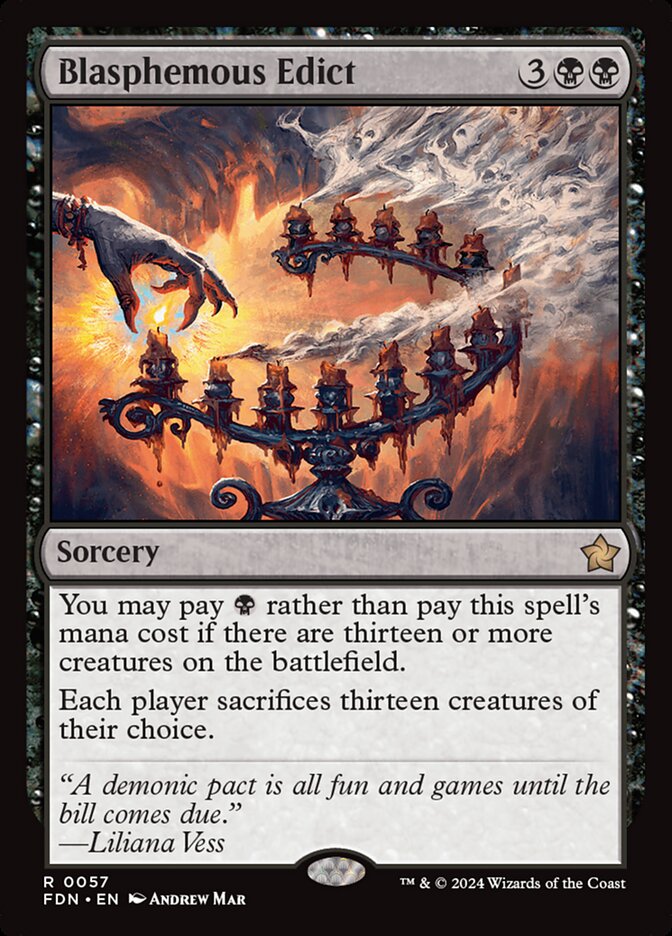
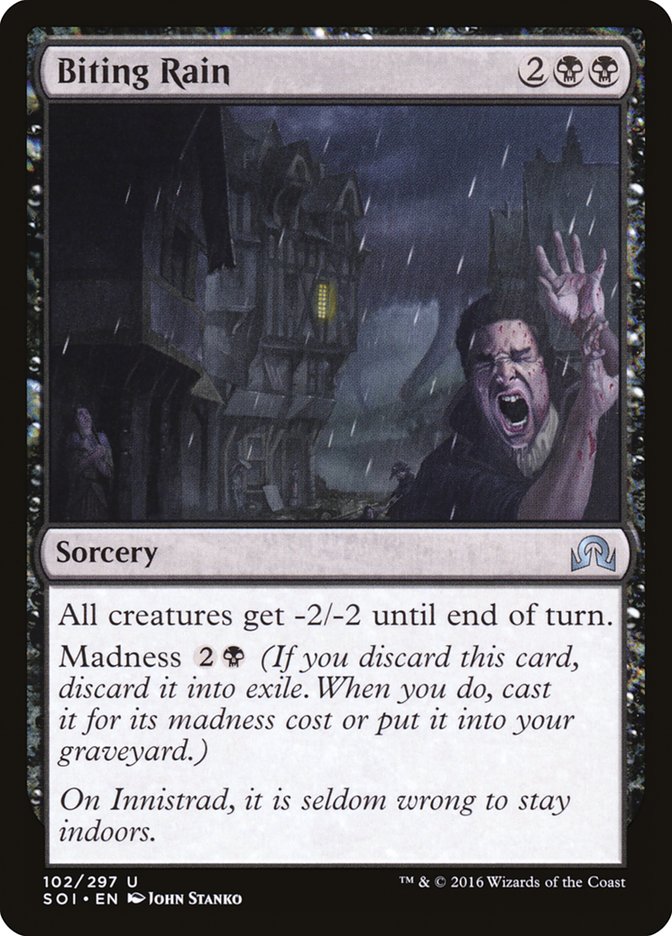
Black has probably the most diverse arsenal of different wrath effects beyond destroy. Black does carry many destroy spells as is in its colour identity. But black has access to sacrifice effects and minus power/toughness as well. With the latter two mentioned before, this can be a way to get around indestructible creatures or creatures with evasion.
So I’m just going to be real with you all here. Nowadays, a simple wrath is often not enough to get the job done. That is to say, there are far too many nasty little tiny pests swarming the board with their own annoying abilities and ways to avoid dying. But as these cards have improved overtime, so have wraths. I’m not saying that you shouldn’t run the OG Wrath of God, but I’m saying that there are many alternatives that you can consider to use alongside or as options. Before we go on further, we should make a better definition of what it is that constitutes a wrath effect. A wrath, to simply put it, removes some amount of annoyances or threats on the table. It doesn’t have to be perfect; it just has to declutter the board.
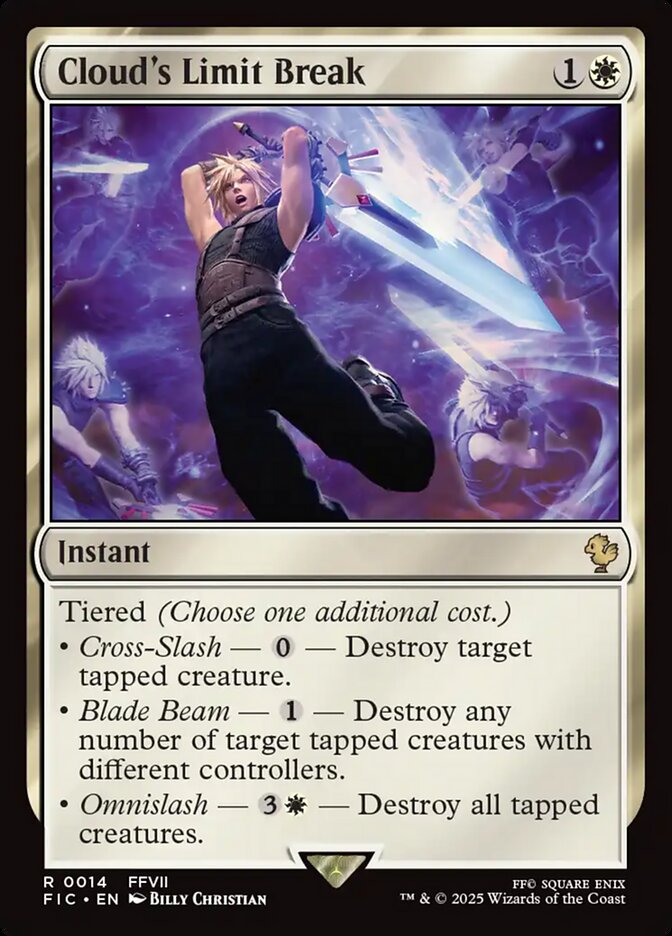
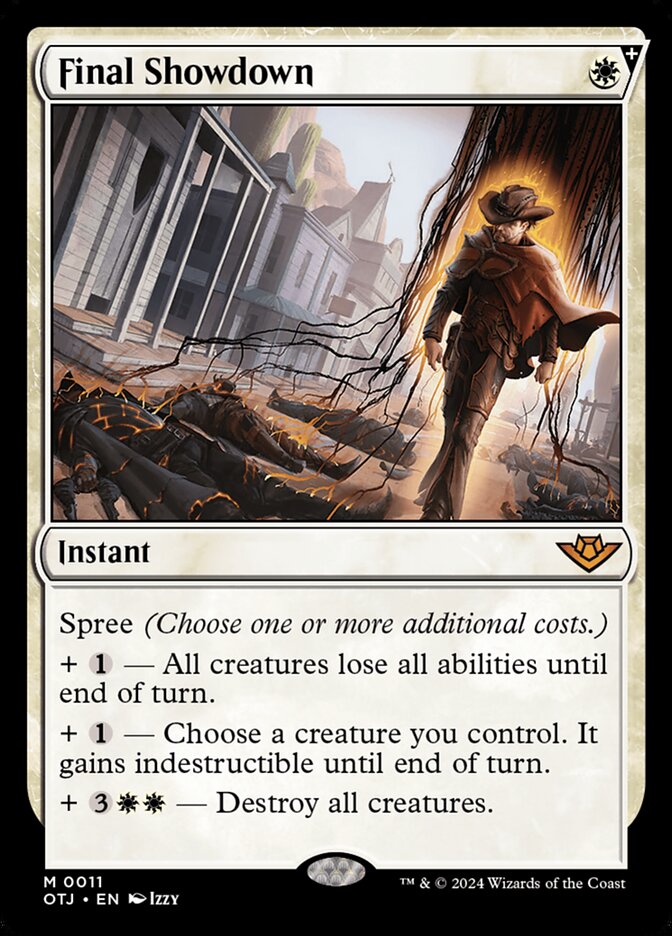
The best wraths are the ones that catch your opponents off guard. Nowadays, wraths aren’t strictly set to sorcery speed. That means that you can hold up mana and then wrath during your opponents’ turns when they least expect it. Sure, they may be conditional or may use a larger amount of mana like Rout, but this flexibility can greatly aid your cause. And given how impactful creatures are with the effects they provide and their cheap casting costs nowadays, it’s important to get rid of them at any given window of opportunity.
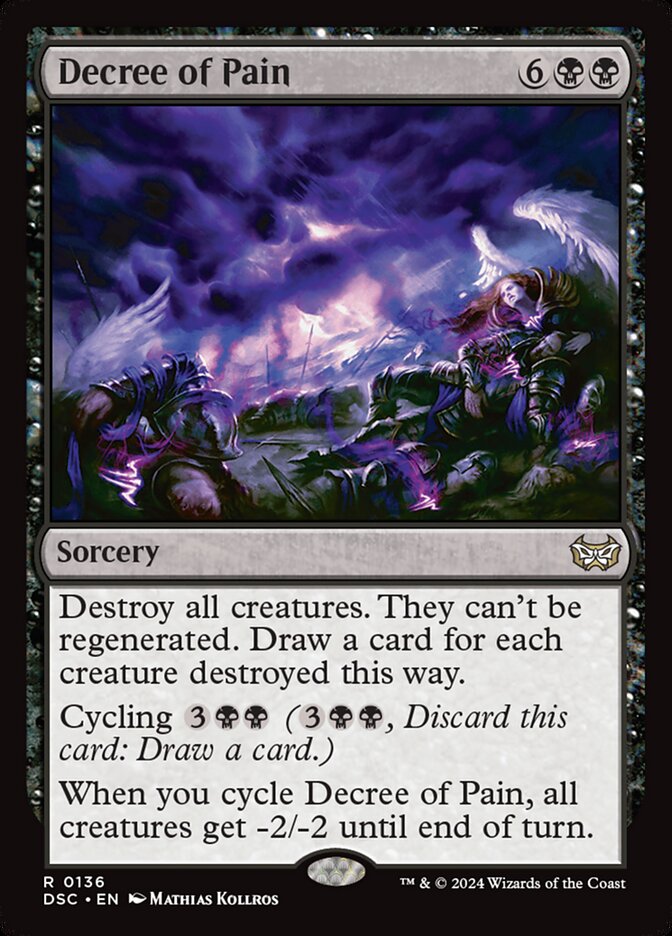
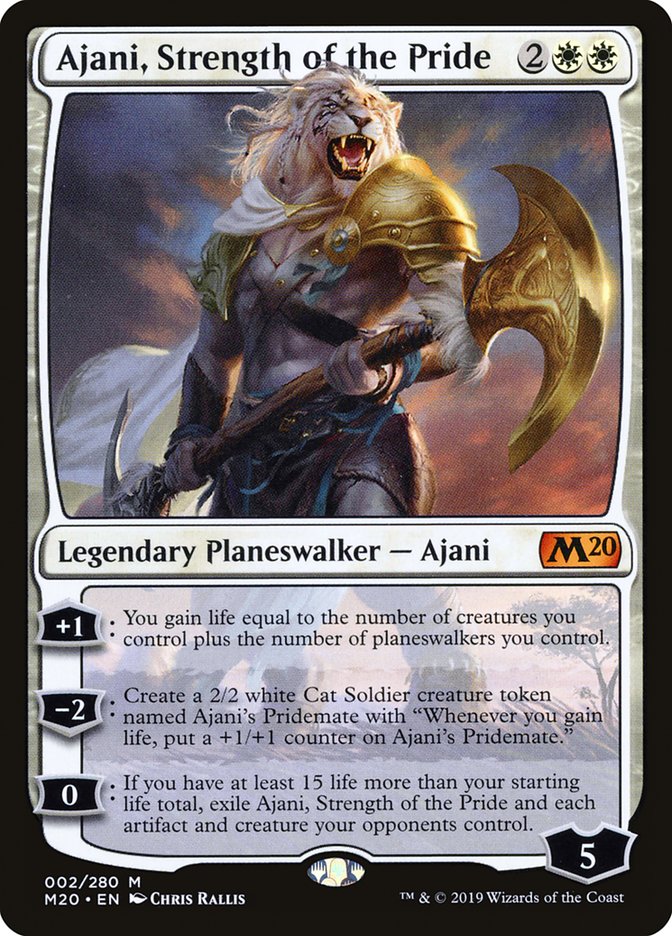
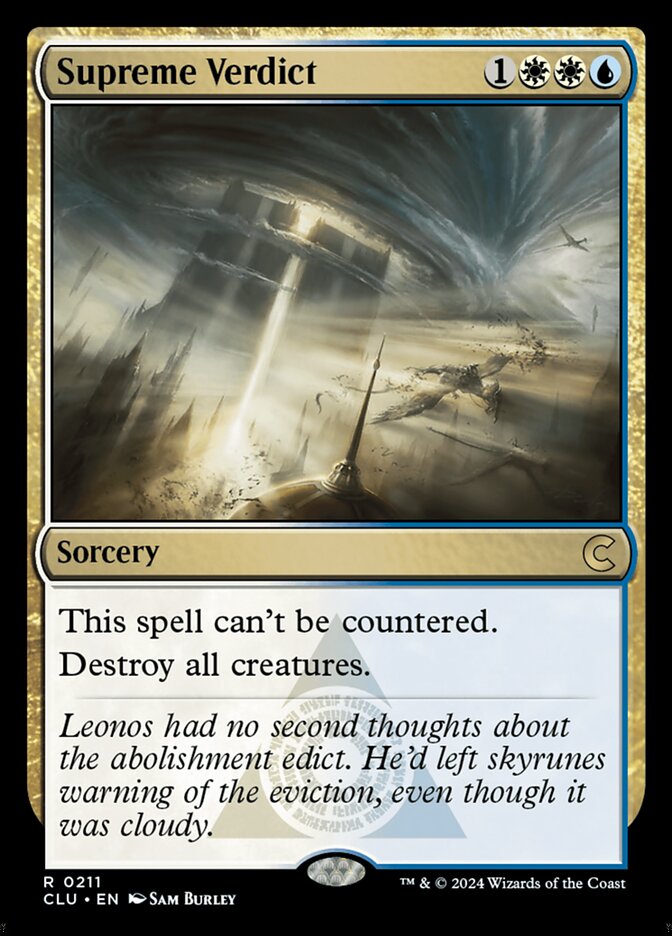
The next category to consider are wraths that can’t be countered or are tricky to navigate around. Decree of Pain’s cycling effect can’t be countered by counterspells and Supreme Verdict has built in protection. These types of cards make it difficult for your opponent to play around them, and in the case of Decree of Pain, since cycling is an ability, you can perform its secondary wrath at instant timing. Ajani is a wrath that does require a little bit of set-up, but if you can get him going, you’ve essentially created a tough bomb that can just knock out your opponents’ set-up from the game.
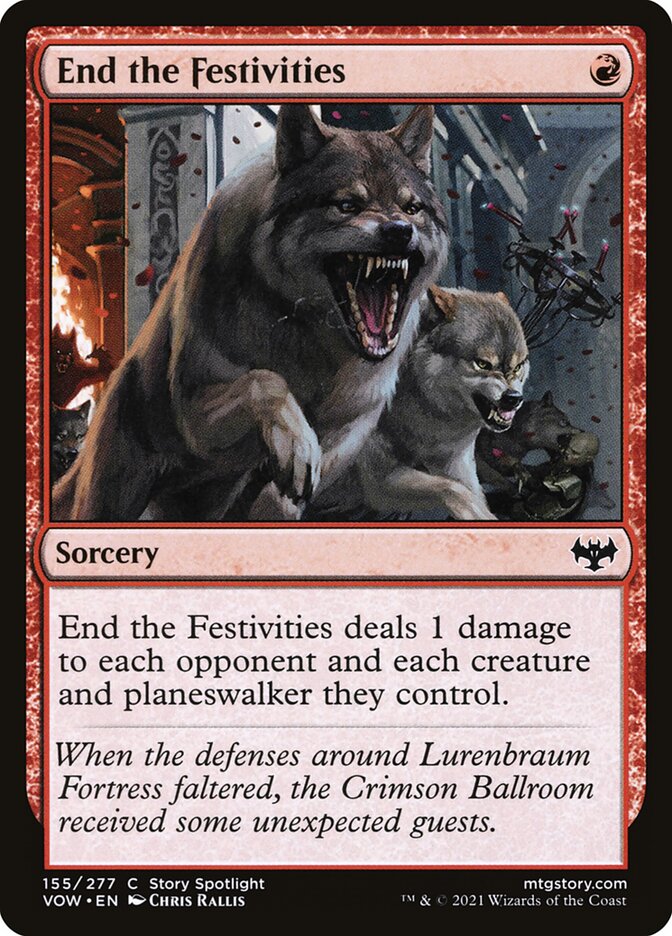
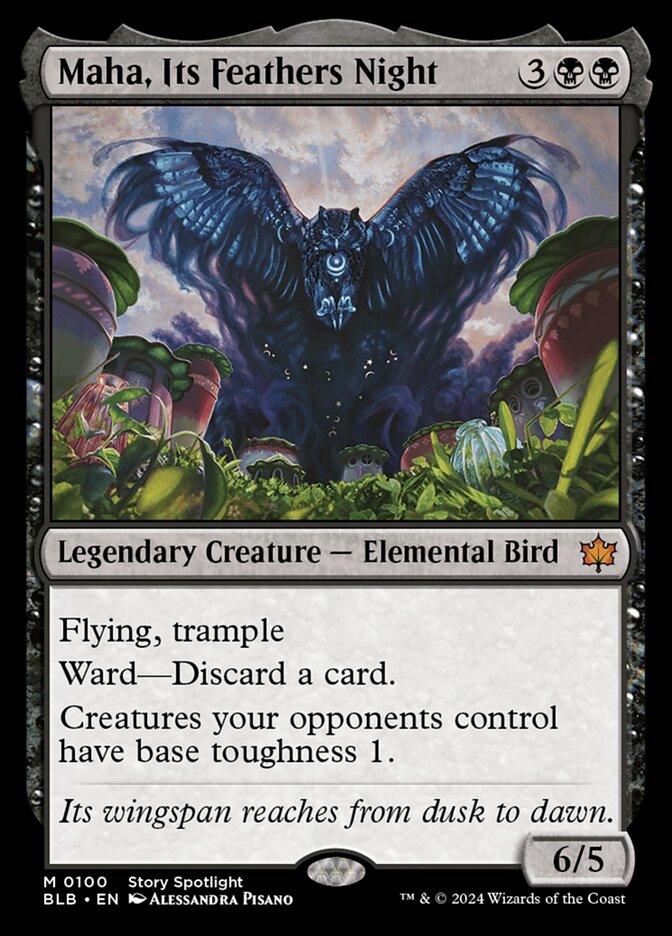
If you can’t match the speed of a wrath, you can also just deploy the wrath as fast as possible as well. Something like the above can be extremely effective and cost efficient. Of course, it takes a bit of set-up, but what is Magic without actually bringing synergy and interactions to the table.
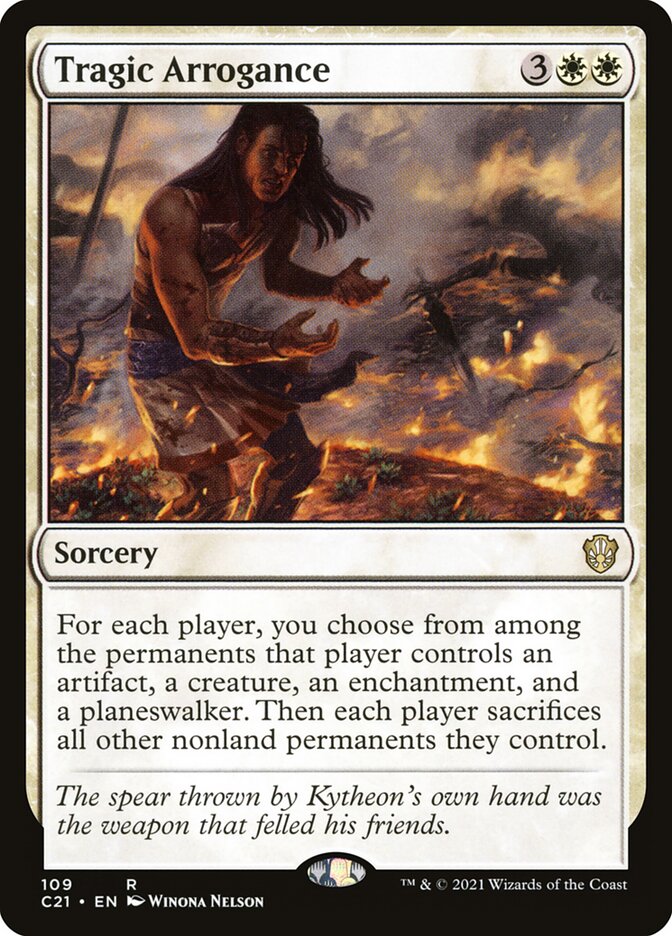
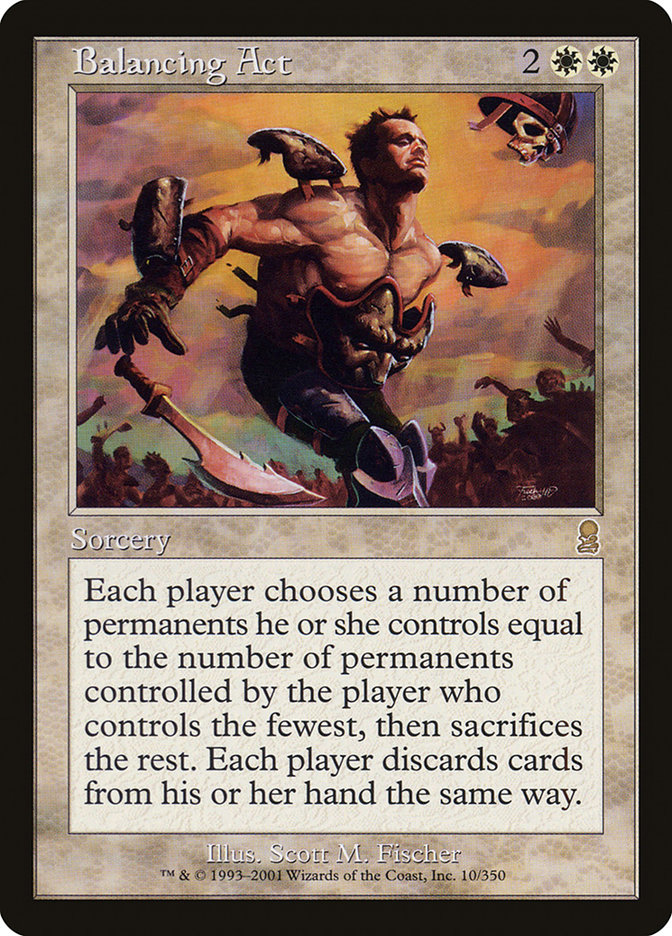
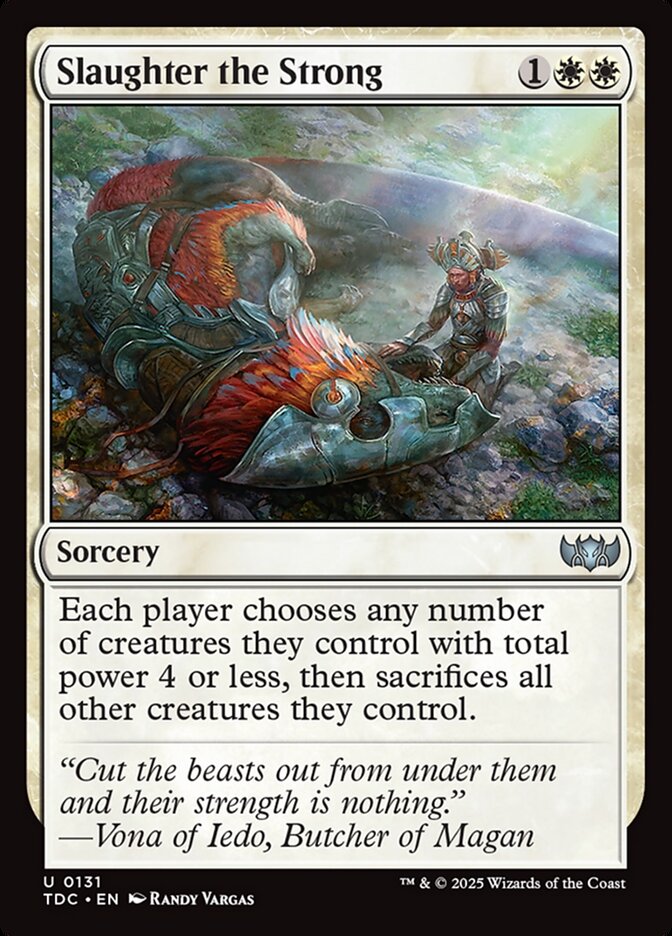
Nowadays, with so many creatures getting hexproof or indestructible, it’s very difficult to really pop these annoying threats. There are many wraths that circumvent those restrictions by making your opponents get rid of their own cards instead (absolutely evil and I love it). Remember that white is also the colour of parity, making sure that everyone is in a state of “balance.” The interpretation of that word is best left to your own devices and definitions.
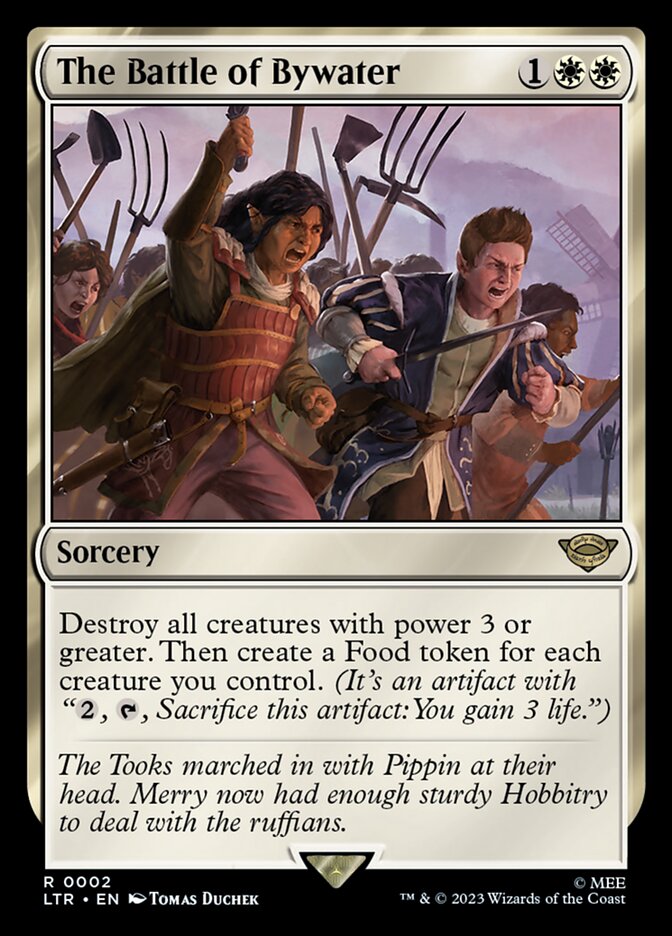
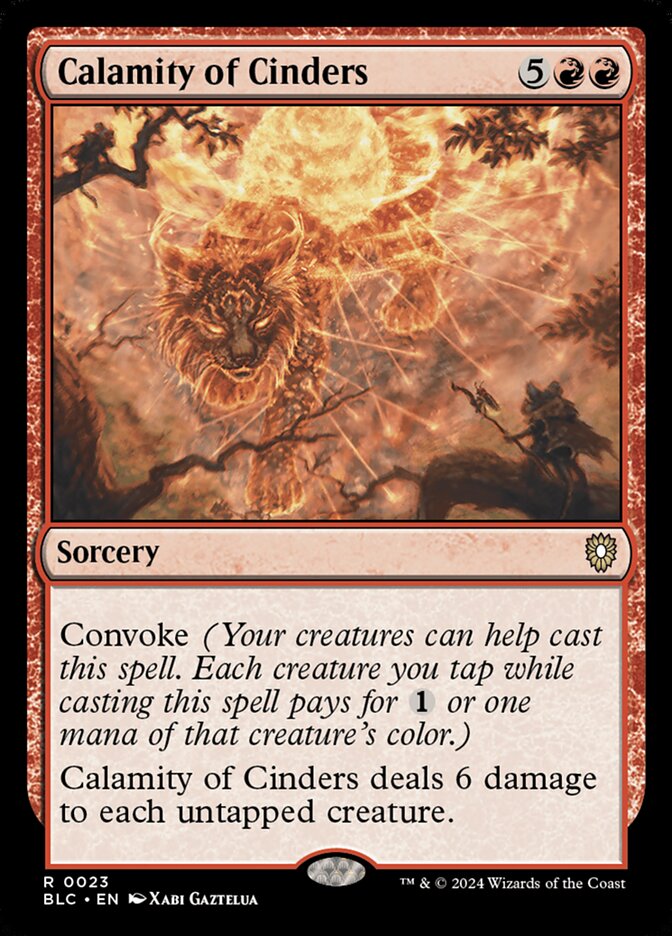
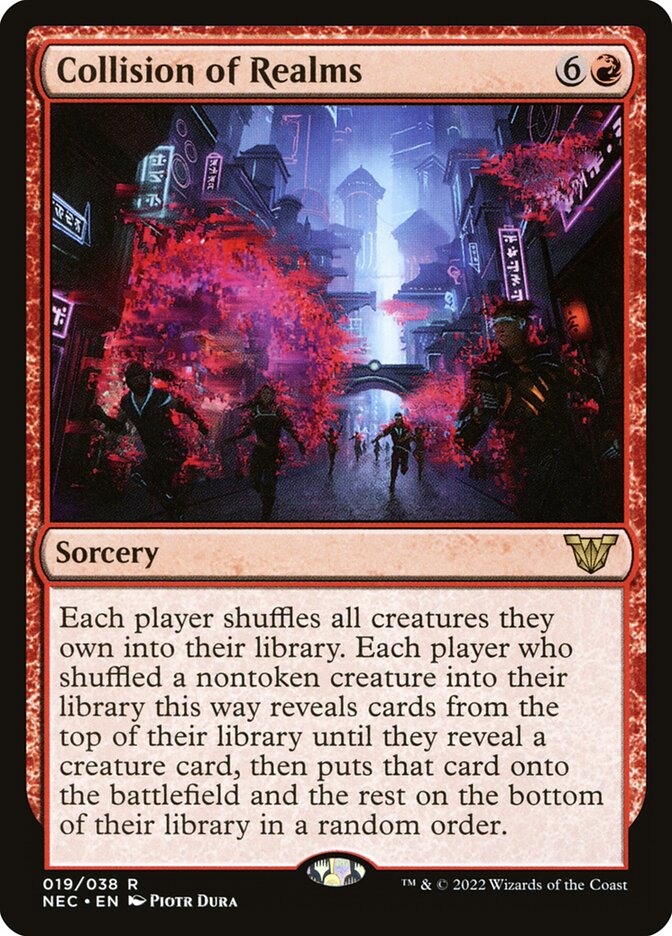
Lastly, just make wraths either not affect your deck or minimize the impacts. In this case, you should be building your deck around your wraths rather than putting in wraths for the sake of having a wrath. In addition, you may want to play slightly differently if your deck isn’t fully optimized for the wrath in question. Maybe don’t put out a full field of creatures before deciding to wrath the board. In addition, you can also use wraths as part of a combo piece or to gain value and progress your game plan as well. Take Collision of Realms here; it’s a strange wrath that technically gets rid of the board, but what it can do is trade your miserly little creatures for some game-ending threats with a bit of luck.
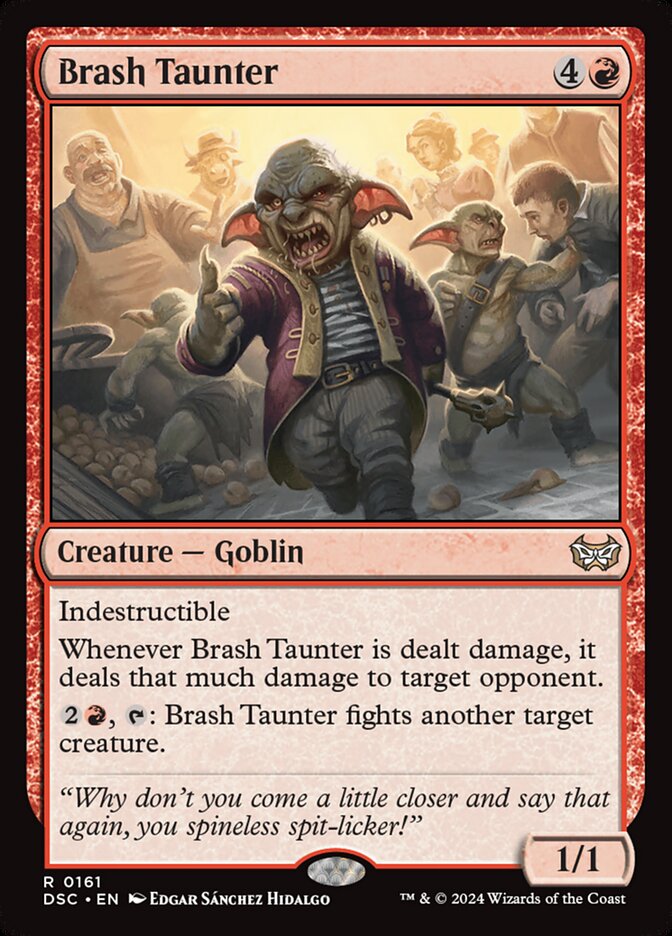
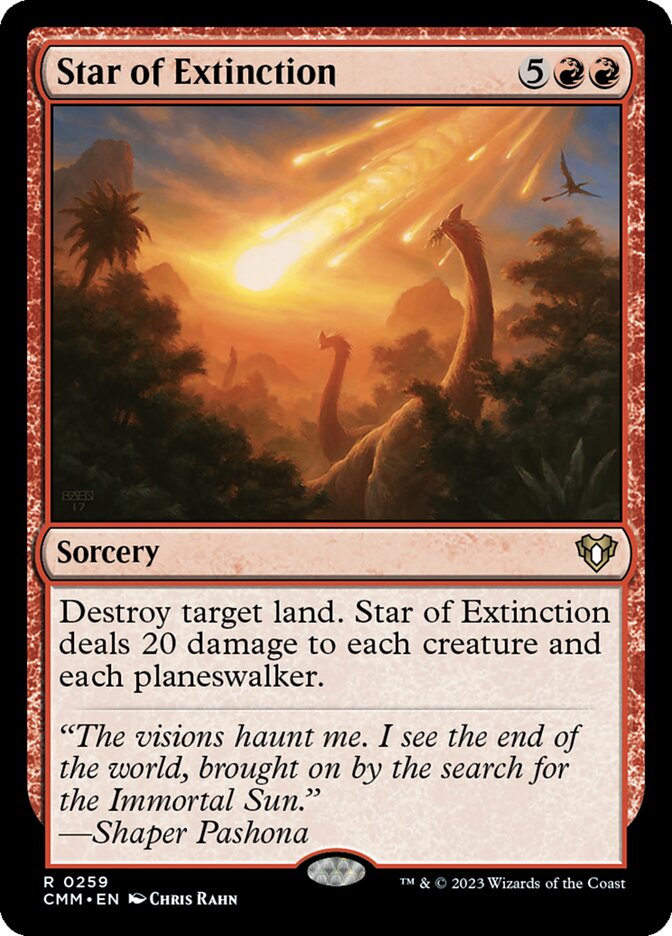
What I’m trying to say is that you should not look at wraths as simply a necessary evil but a way to push you ahead of your opponents. Wraths can be synergistically used within the theme of your deck or even as small two-to-three card combos.
As for the timing of when and where you use a wrath, this is best left to your threat assessment of the table. Sometimes even an non-optimal wrath where you are trading a singular board wipe for a one creature may just be worth it, especially if the threat in question could end the game. In that case, the wrath spell feels like overly costed targeted removal, but what needs to be done, needs to be done. Furthermore, you can use wraths as a bargaining piece with your opponents. You can explain how you intend to use the card (how much information you share is up to you) and try to break a deal where you get immunity for a full turn cycle either. Wraths are a common sight in Commander, and I do expect them to continue to be part of the game experience for years to come due to their necessity and value in cleaning up board states. I’m just saying that you should be more selective of what you include as a wrath and to also consider moving away from just dumping the same core cards in every deck such as Farewell.