
So, while sitting at the table, passing my cards around in my hands (hooves), I look across from me at the other side of the table. It’s quite obvious when one player has the winning advantage which is evidently seen by their large hand and the stockpile of mana available on their board either through treasures or a mass amount of lands.
You can spy by the corner of your eye that there are certain cards in every game that just seem to push these players to taking the reins of the game. There’s a woman sitting by the chair idling and reading a book. There’s a man spitting coins out their mouth. Just by these descriptions, you already know what these cards probably are.
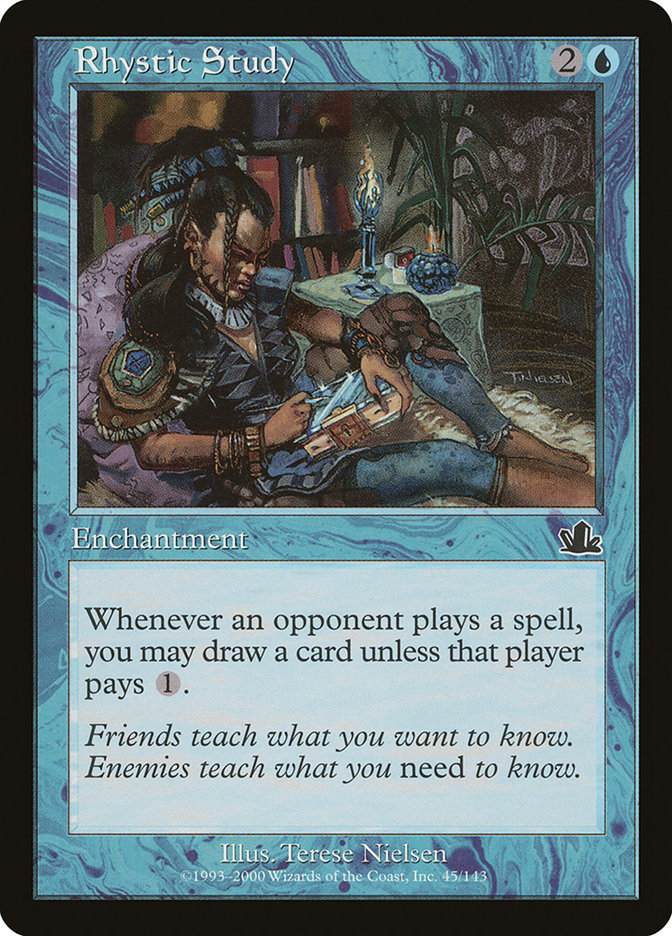
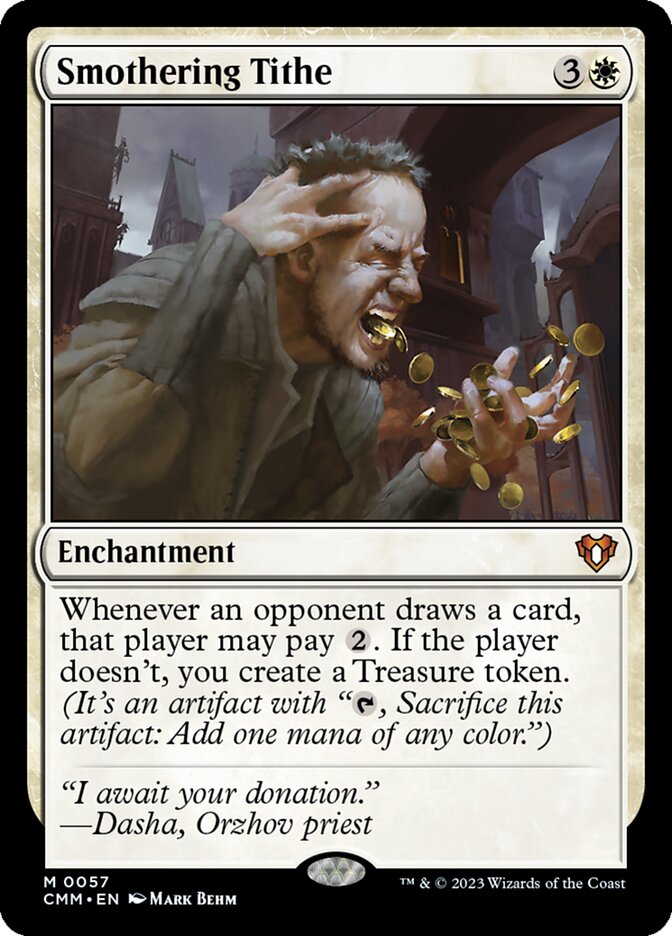
These two cards above are iconic and for a reason. Rhystic Study and Smothering Tithe provide the two most important resources in Magic, hand and mana. The biggest thing about these two cards are they are completely passive by nature. You, as the player, don’t have to do anything to activate their triggers and will gain essentially “passive income”, the millennial dream.
Furthermore, these two cards are quite oppressive in the sense that they’ll constantly be triggering throughout the game. There is no way to avoid the triggers other than by removing these cards from the battlefield. They are also on a rather sticky type of card: enchantment, something that is harder to remove than say an artifact or a creature.
Moving back to the title of this post, you might be asking what is the relation of these cards to having fun. I mean, for most people I know of, these two cards are akin to misery itself. Whenever anyone plays these cards, they are considered enemy number one and need to be swiftly disposed of. And they’re perfectly right given the raw power of these cards. However, there’s a lesser talked about issue with both Rhystic Study and Smothering Tithe.
They simplify the game.
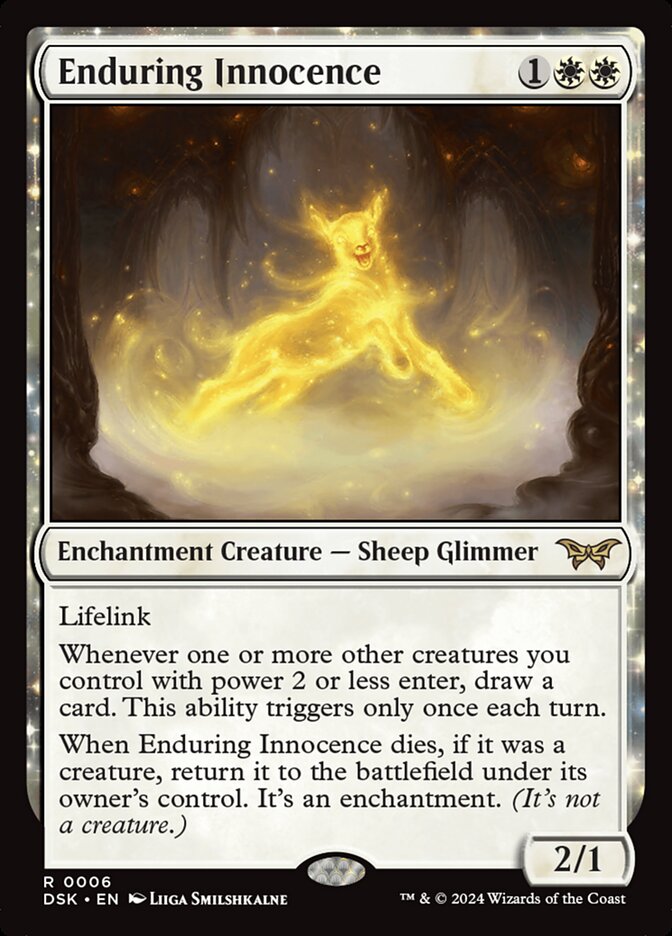
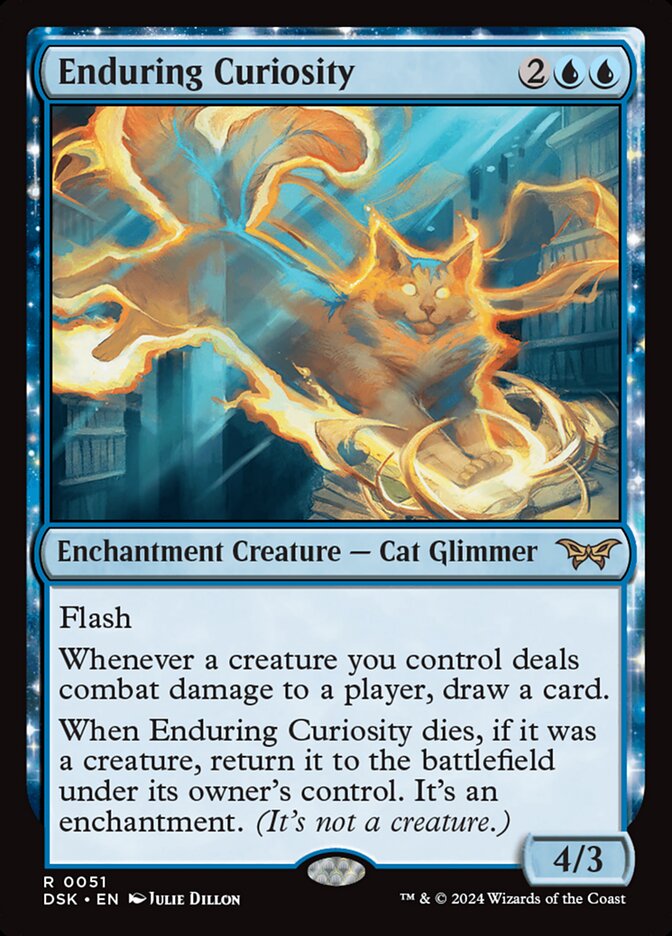
Let’s examine two other draw engines that perform similar effects to Rhystic Study. Both Enduring Innocence and Enduring Curiosity are sources for card draw. Enduring Innocence is limited in its card production, only gaining one a turn (keep in mind you can trigger this on each of your opponent’s turns) while Enduring Curiosity works whenever a creature you control deams combat damage.
These two are significantly weaker than that of Rhystic Study, but arguably, they are more fun to play around. That is because you have to design your deck around these cards. To fully make value out of Enduring Innocence, you need to find some way to make smaller creatures enter your battlefield ideally both during yours and your opponents’ turns. For Enduring Curiosity, you have to go through the cursed and most scary step to Commander players: the combat phase. Yes, you have to risk your creatures out there in the open battlefield where the only thing staring down your board is a tapped down Llanowar Elf. Get in there and draw that card.

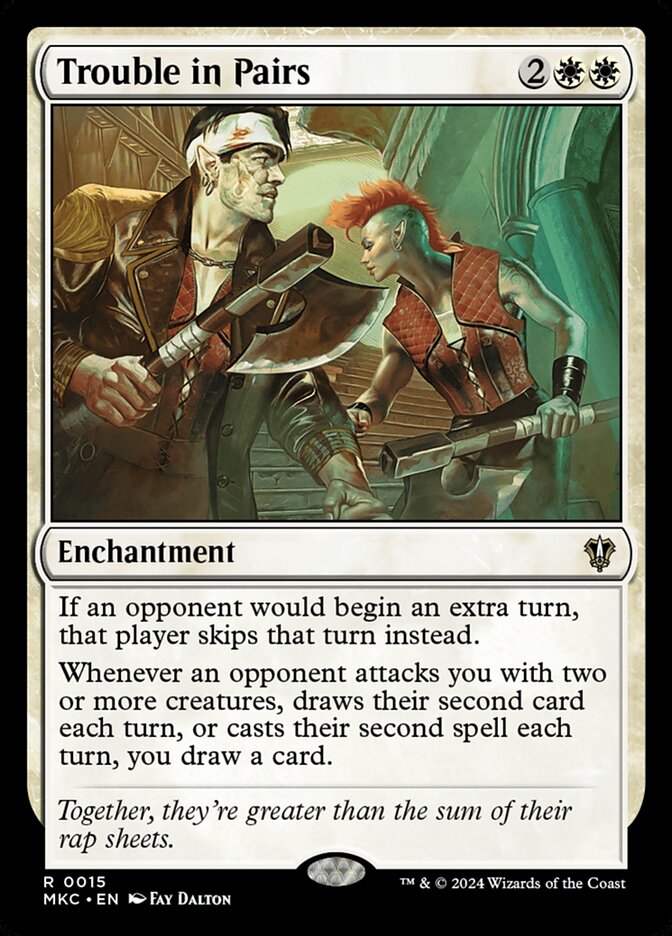
Rhystic Study and Smothering Tithe aren’t the only culprits of this sort of “passive income.” Take a look at Black Market Connections and Trouble in Pairs above. These two cards also generate immense value and can greatly swing the game in the favour of their owners. There is virtually no downside to having these cards on the field. I know Black Market Connections forces you to pick a mode which may hurt if you are low on life, but just make a treasure then. You can’t complain about a card that gives you a treasure, a draw, and a creature in any combination every single turn without requiring additional resource.
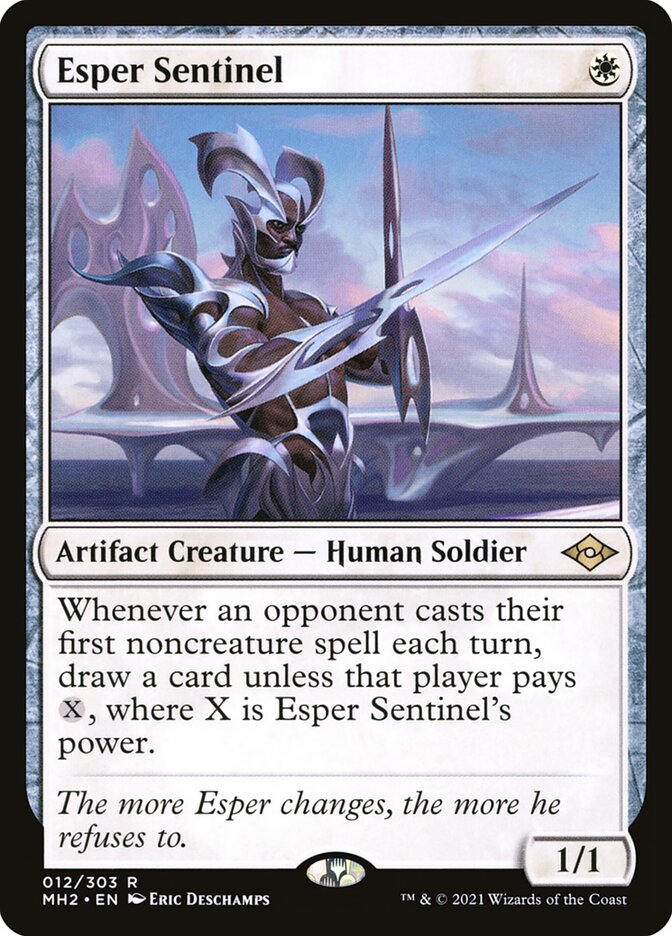
Some may argue that Esper Sentinel belongs in the same boat as Rhystic Study and Smothering Tithe, but I have a counterargument. Firstly, I will agree that Esper Sentinel creates the same passive income that Rhystic Study and Smothering Tithe do, but Esper Sentinel does it with a caveat. Esper Sentinel has real conditions placed upon it in order to trigger its ability. Esper Sentinel doesn’t affect creature decks whatsoever, and furthermore, the tax only affects the first noncreature spell played. It also only costs mana based on Esper Sentinel’s power. It only becomes a problem when it’s played against spellslinger style decks or massive enchantment pillow forts. On top of that, unless you have ways to pump the size of Esper Sentinel, most players can just pay the one and move on.
Esper Sentinel is a strong card, but it’s power is held back due to the many restrictions it has in place. It looks at first like passive income, but you have to genuinely put effort into playing around this card or buffing it up to make residual value off of it. Compare that with Rhystic Study and Smothering Tithe where you literally get value for them existing plainly on the battlefield.
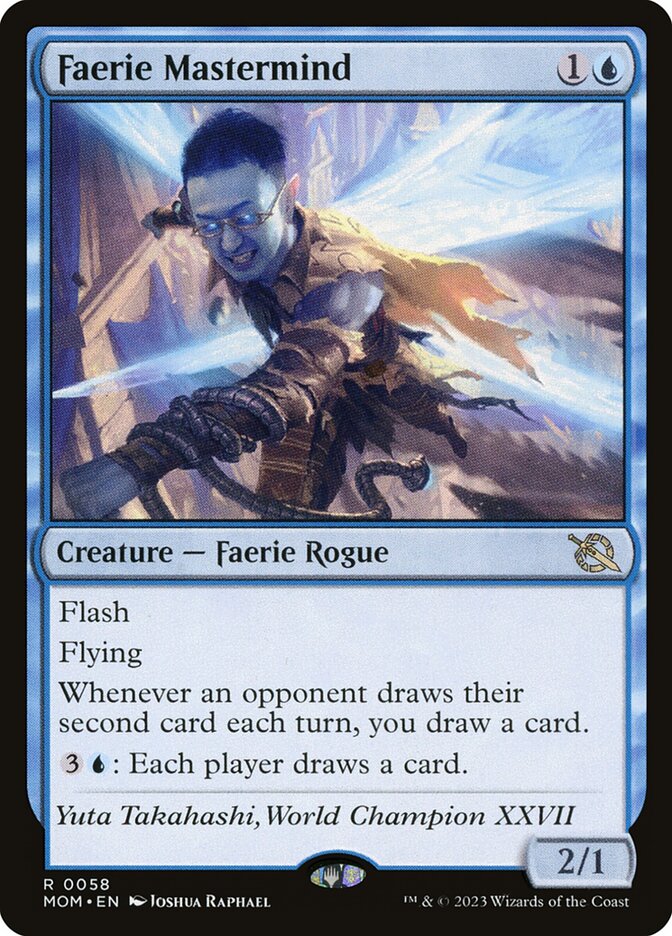
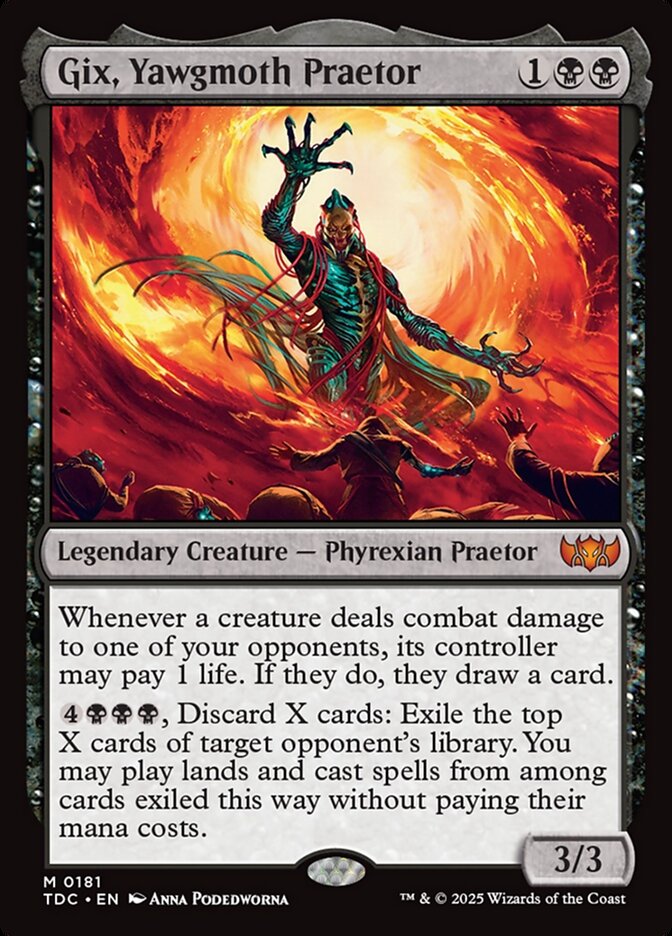
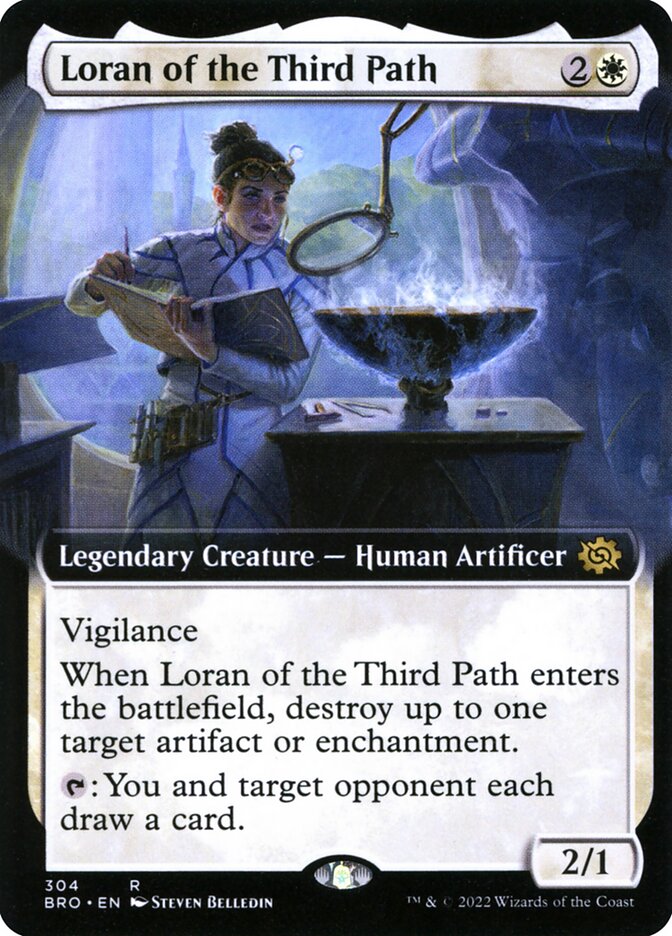
So what is the solution to all this? I think, if you want games to be less lopsided and more interesting, players should look to building draw and resource engines that require careful deckbuilding and reward synergy. Instead of slotting Rhystic Study because your colours include blue or Smothering Tithe because your deck has white, why not consider Faerie Mastermind to surprise your opponents and draw during their turns. You could even play something like Gix that rewards you and others for killing your opponents. Loran can offer removal and also potentially friendly draw that gives you a political piece to use throughout the game if you (or your opponents) can keep her alive.
So what is the bottom line? Instead of playing generic advantage generators such as Rhystic Study and friends, try to use or create an engine that fits more in theme with your deck. It’s not about necessarily downgrading your deck in quality or efficiency. It’s all about making your deck more interesting and fun. By doing so, you can also create a better balanced game overall for you and your friend groups.