
This story goes is when I first looked at this card during TMNT’s release, I was quite excited. Now, I do not think Kitsune, Dragon’s Daughter is a powerhouse by any measure. In fact, I do think she’s a pretty overcosted card in general with a rather mediocre impact. I think that she carries one of the weakest win strategies in Commander itself, and given her high mana costs to cast in a colour that doesn’t ramp much makes it more the worse. However, I do like her ability, and there’s a few good things about her and the colour she is in that gives her some slight advantages over other similar cards.
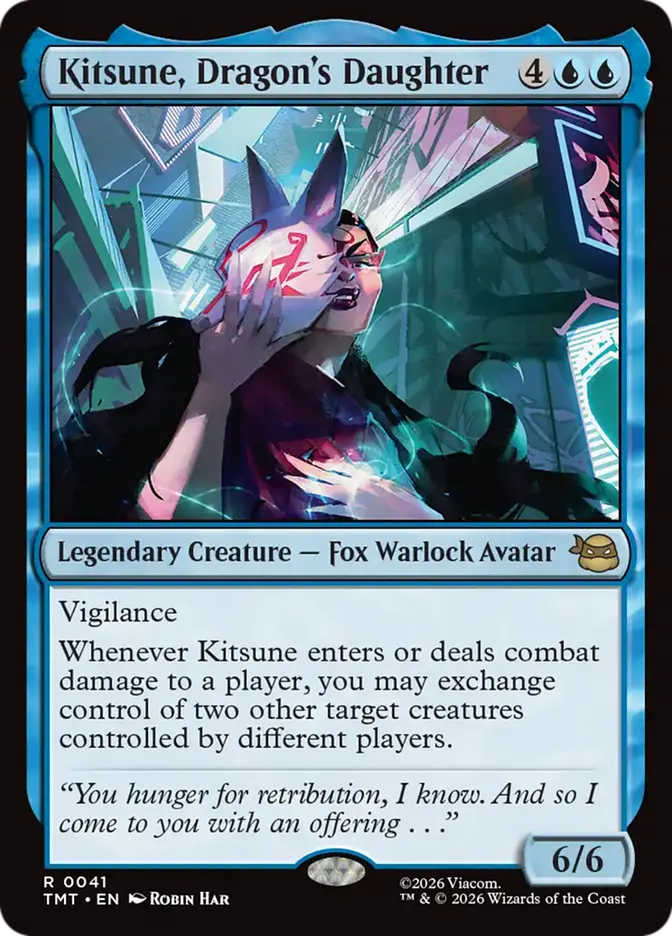
Kitsune does one thing and one thing exactly, swap two creatures on the battlefield other than herself. The key thing to note here is that unlike many other cards, Kitsune actually allows you to swap creatures between any other players, meaning, you can either swap your own creatures or give creatures that belong to other players between each other. Now, while the latter can cause the most chaos, we really want to be focusing on the first and primary plan of swapping our own creatures with our opponents’. As such, we need to be very careful when selecting our creatures.
Our primary win-con is a weak one at best simply because Kitsune suggests we take our opponents’ large cards in exchange for our weaker cards. Meaning, if the table doesn’t give us a stompy creature or a creature that has an ability that wins on its own, we kind of are out of luck. But to supplement this, we will have some backup plans.
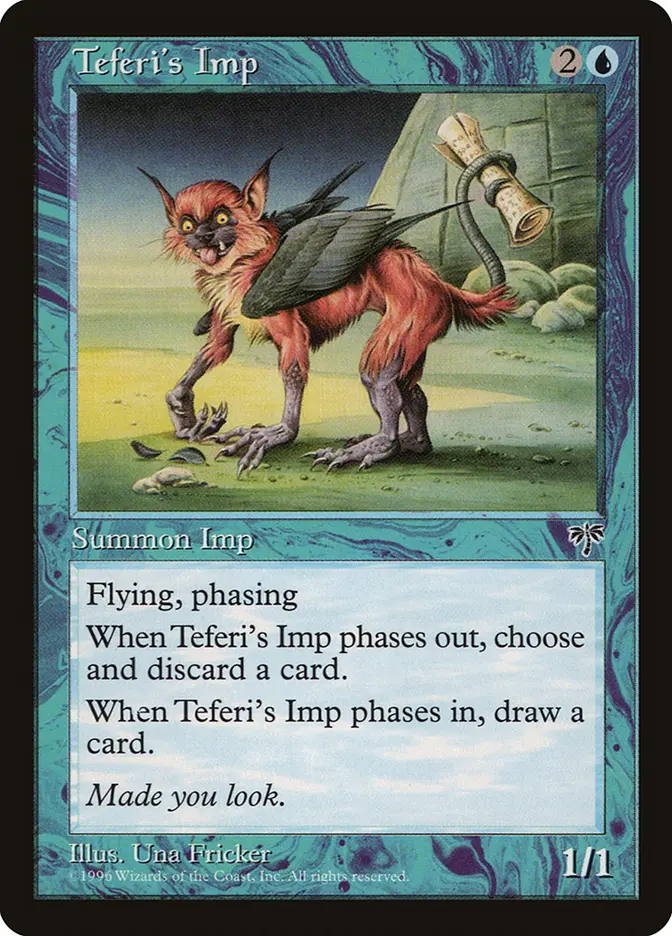
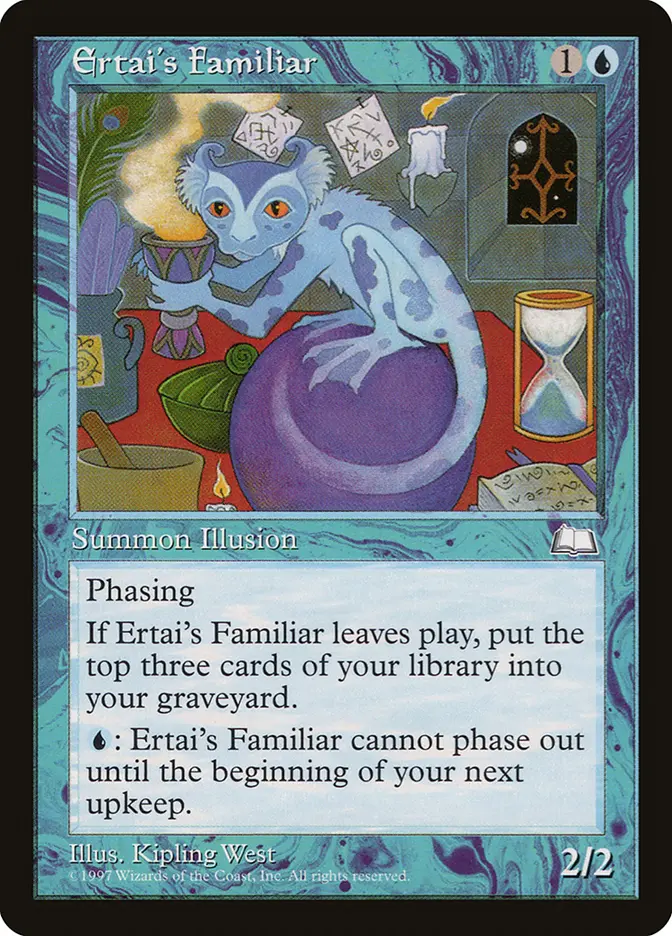
I had plans for some very messed up cards with using illusions, but the Magic designers knew I would do something despicable like this, so instead I’ll have to use some minor crimes instead. Did you know about the mechanic called “phasing”? It is incredibly fun, especially when you give it to your friends. This is also why we won’t be visiting places in the Magic universe like Zhalfir because people like I exist.
The trick with Kitsune is that we need to be very careful with what we “give” our friends. We need them to be purposefully harmless for the most part while still having some relevancy and playability should we have to actually keep them on our battlefield.
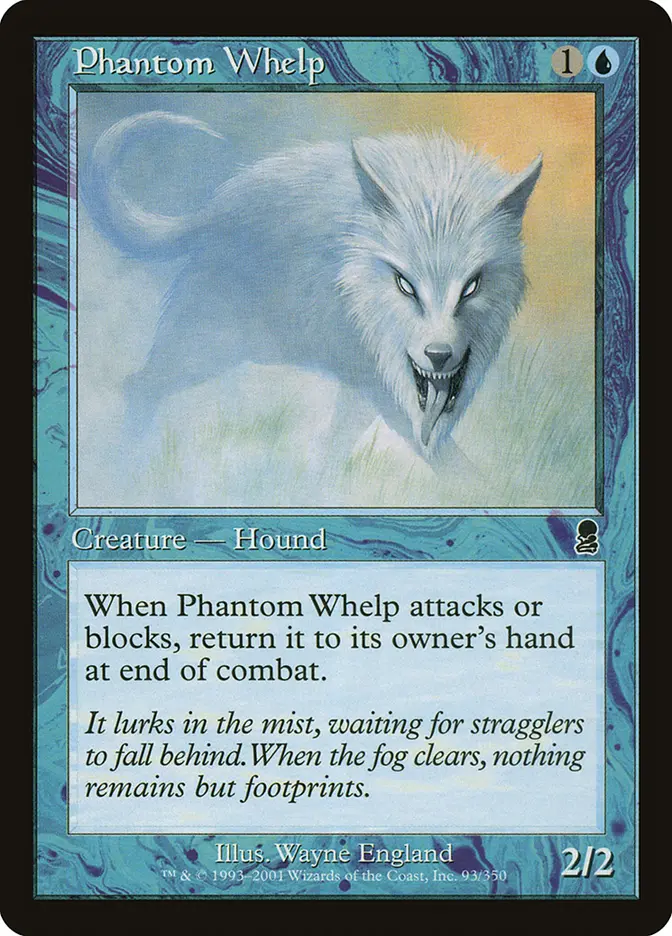
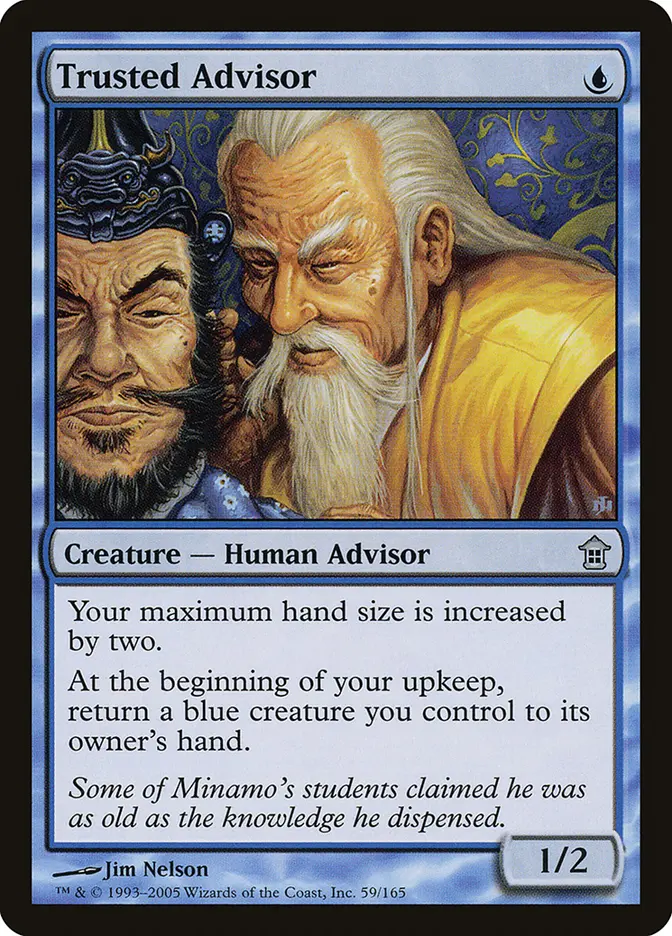

The best targets we can give folks are the same ones that will effectively return back to our hand. But we have to be selective. Cards like Trusted Advisor and Esperzoa break the symmetry if we can fulfill their conditions, or more realistically, have our opponents fail to meet their conditions. Since they are upkeep triggers, they are incredibly difficult to play around. Trusted Advisor in any deck that isn’t playing blue is essentially a free return during their turn. Esperzoa is essentially the same thing, albeit a little harder considering that you need to make sure they don’t have any token artifacts either.

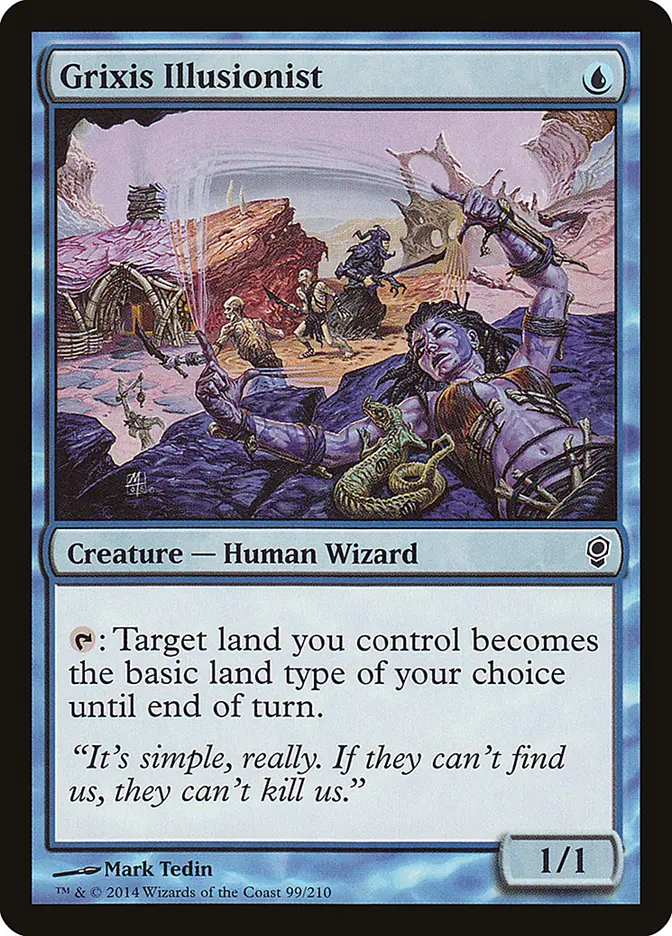
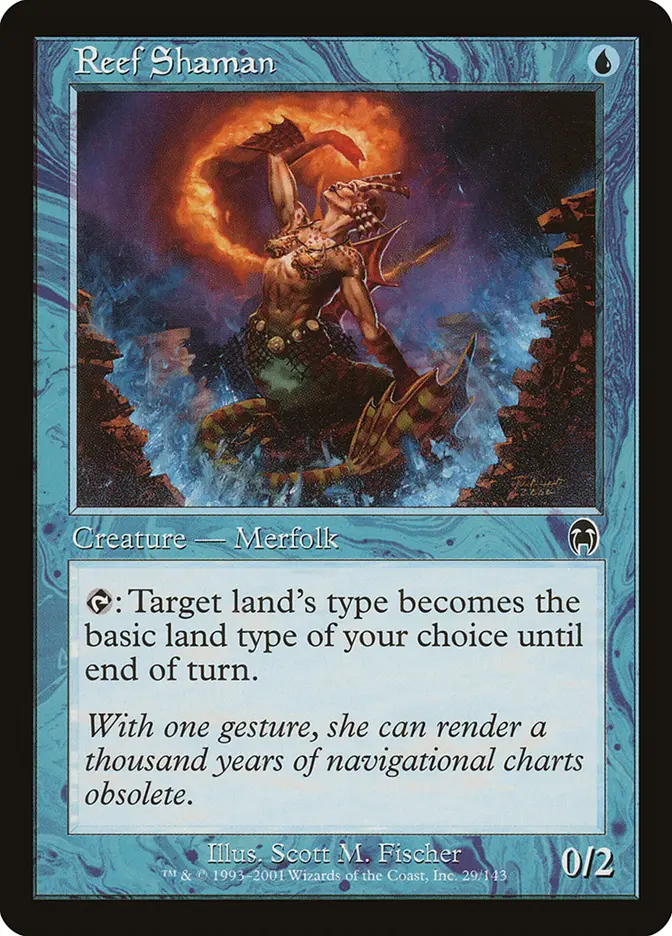
There is also one set of generally terrible creatures for most situations coming into play here. As being cheap, low stats, and having such a niche ability that is virtually useless most of the time, they are perfect for our deck as gifts to others and for another specific nefarious purpose.

For the first time ever, due to the general mediocre game plan of this deck, this is a genuine option above in our specific colour identity. We could do the mono-blue thing and go for extra turns or win with alternative conditions, but that doesn’t fit the spirit of this deck. Furthermore, while giving others our spells can be typically bad, in the case of this deck, it virtually does nothing to hinder us by any measure. In fact, because of how high synergy our deck is with our commander and theme, trading decks with someone is less of a bane and more of a boon for us. Furthermore, Shared Fate does require us to actually have the colours of mana to cast our stolen spells and it goes both ways. Now, you could be evil and swap decks with someone without blue, but I would recommend that you do so only as a last resort as it kind of ruins the spirit of the game in a casual sense. You still want them to play the game, don’t you?
This is also where the cards before come in once more. You see, we can’t really cast spells of different colours. We also aren’t an artificer deck that can make treasures or manipulate our mana in a specific way, but that’s where those dorks come in and do that task for us.

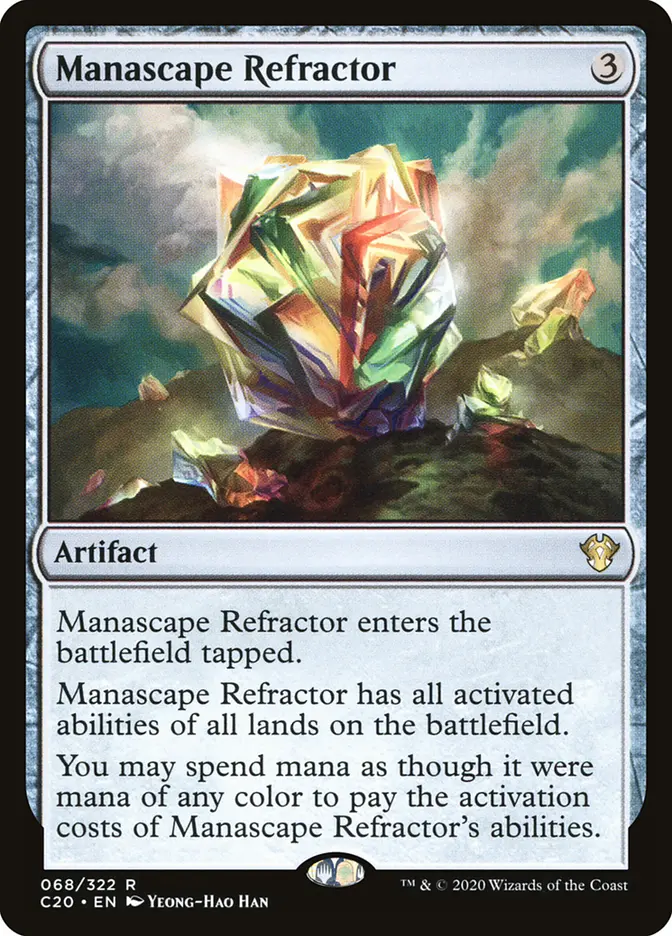

Normally, I typically dislike ramp, especially when its the same generic spells as everyone else, but this deck is a bit unique and different. To support our commander and that of our singular Shared Fate, we need to have mana, and more specifically, we need mana of colours we can’t normally generate. Now, mana rocks, to me, are fair game. In fact, we have to very specific about which rocks we even run.
All these mana rocks above can tap for any colour of mana with some caveats. Furthermore, with Chromatic Lantern specifically, we can have our lands perfectly fixed to tap for mana of any colour. Manascape Refractor is a rather slow card, but, if you have a friend with something like a Lotus Field in play, you’ve just gotten yourself a free Lotus Field to heavily ramp ourselves.
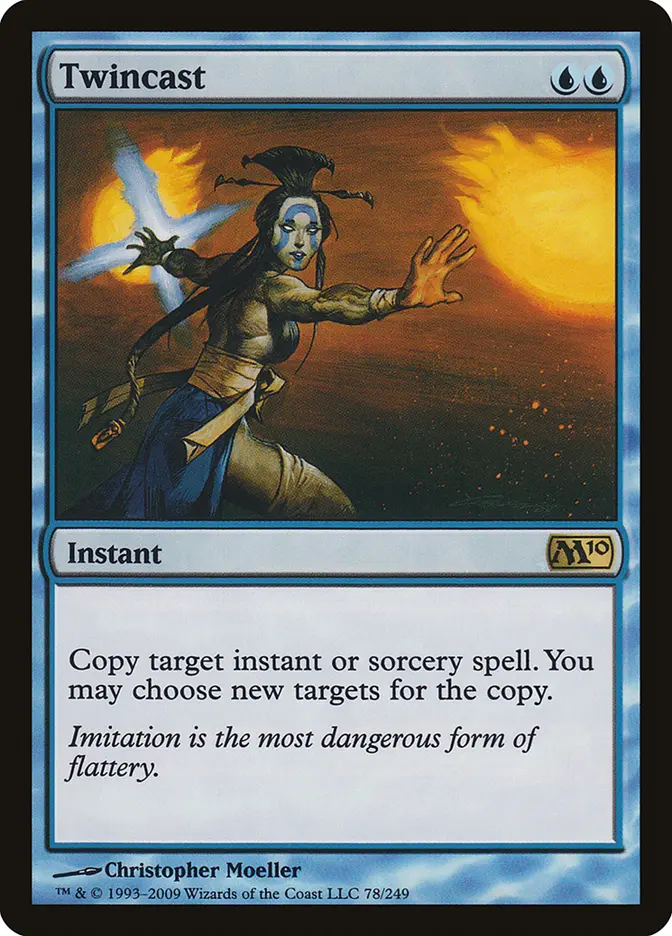

I am also not exactly opposed to “stealing” since we are realistically doing that with the main theme of Kitsune anyways, so why not extend that to other forms of thievery? These two above are fairly annoying and can be deployed quite early. Twincast can be very funny when we take our opponent’s heavy ramp spells like Entish Restoration (the copy isn’t cast, so we don’t pay for any costs). Narset’s Reversal is a “counter” as well as a copy spell since it returns the target spell back to an opponent’s hand while stealing a copy. They can recast it of course, assuming they have enough resources.
They also have additional value in the late game, potentially transforming our opponent’s game winning spell into our own game winning spell.
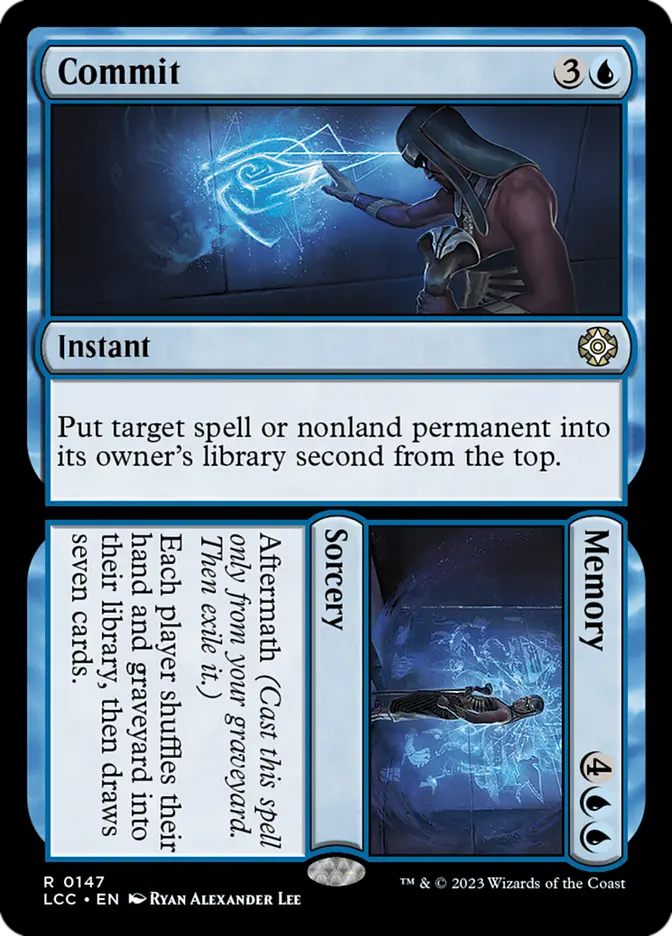

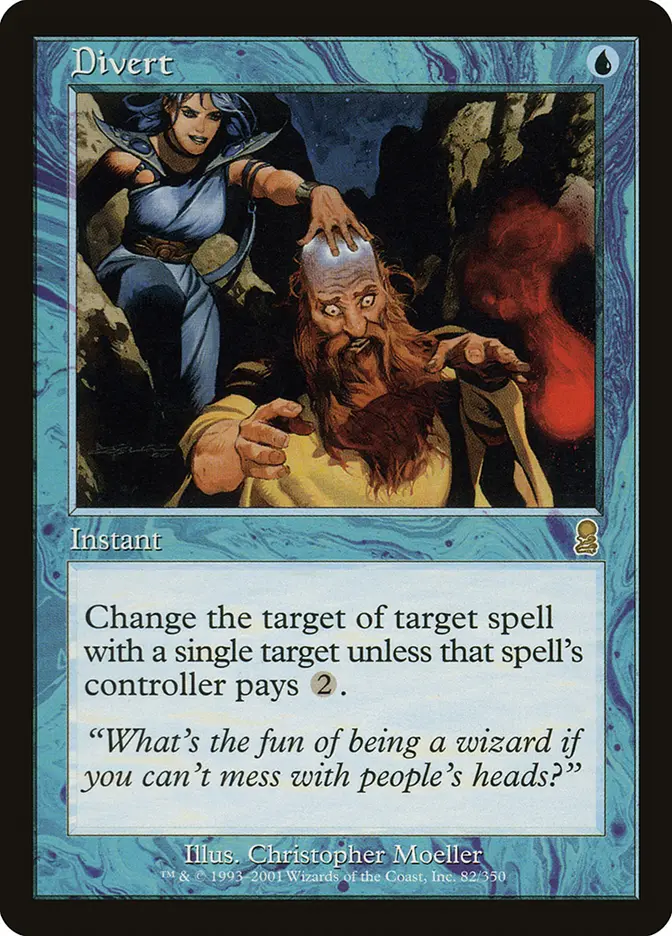
Part of this deck’s building challenges was to show a blue player how to make use of blue interactions that aren’t necessarily just counterspells. I’m not saying that you shouldn’t run counterspells, but there are plenty more ways of messing with your opponents.


In terms of counterspells, and I definitely recommend you run a few and run the most annoying ones possible. These are the ones that put the spells in different zones, morph them, or are just straight up annoying. Unlike the typical counterspell that just says “no” and puts the spell in the grave, you want to remind your opponent that they can get their spell through, albeit with various external means of course.
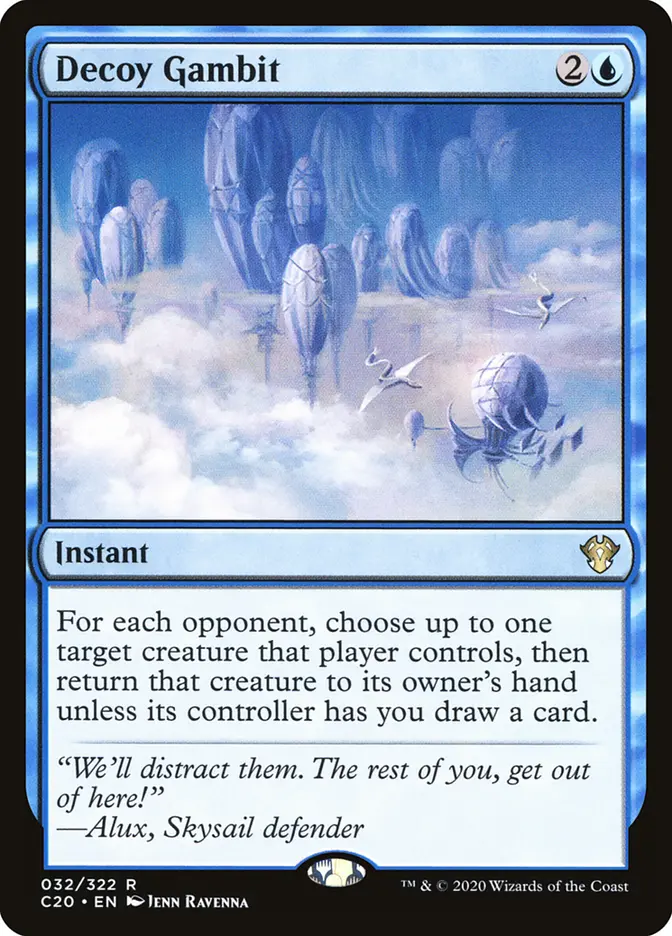
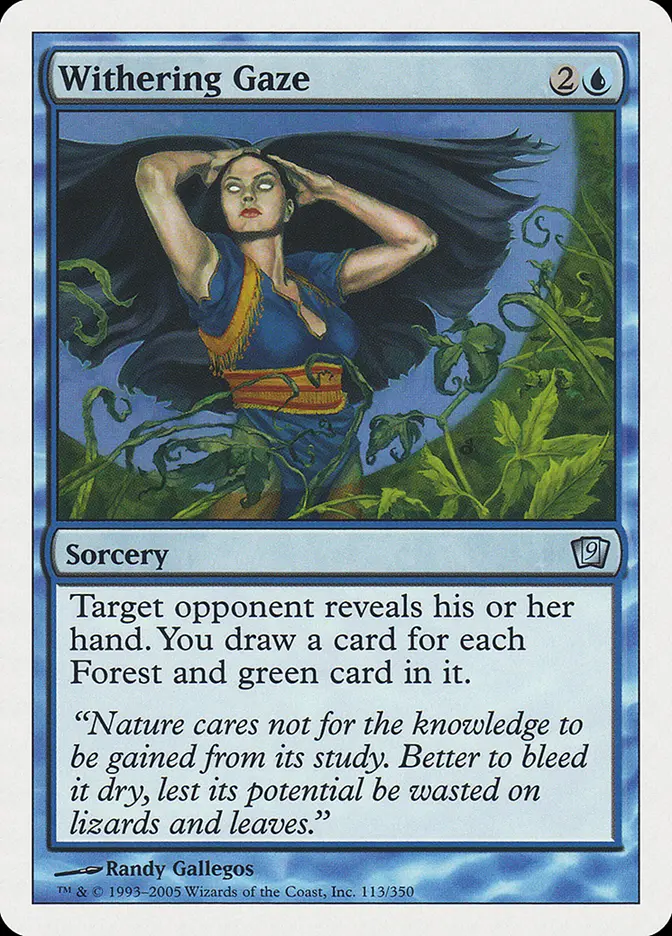
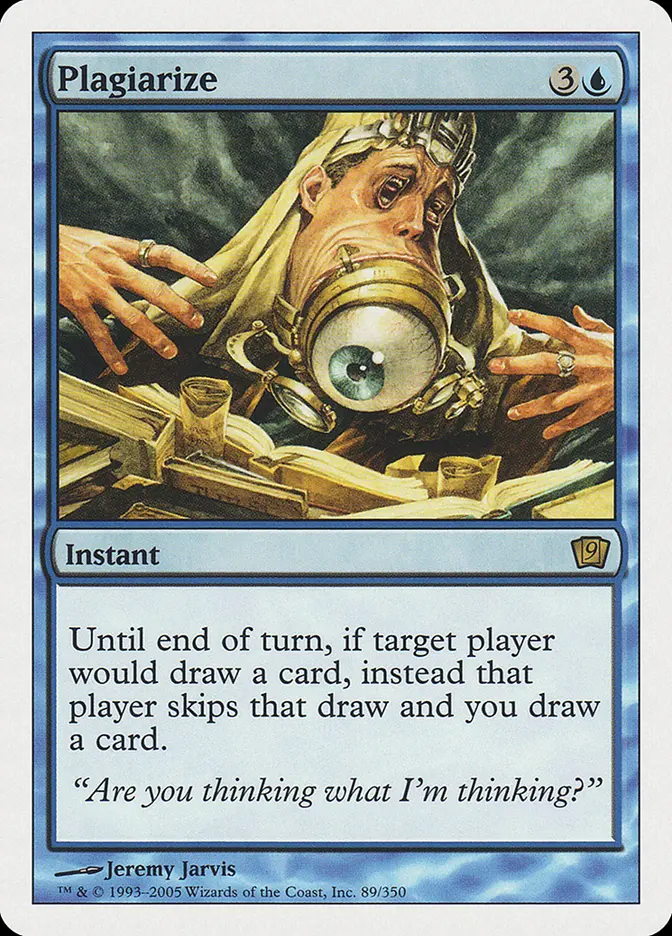
In order to refund hand and/or annoy our opponents, one other way is to take advantage through their advantages. Decoy Gambit is a beloved card for making your opponent make certain choices. With Kitsune’s trades in play, you’ll effectively make them give you a pseudo-draw at worst since they’ll probably give you back your own creature should you target that. You can even use it as a bargaining chip if they’re more unwilling to let go of a larger creature on board. Withering Gaze and Plagiarize equally mock your opponents with the former rewarding you for your opponent’s deck designs while Plagiarize simply steals your specific opponent’s draws for the entire turn.
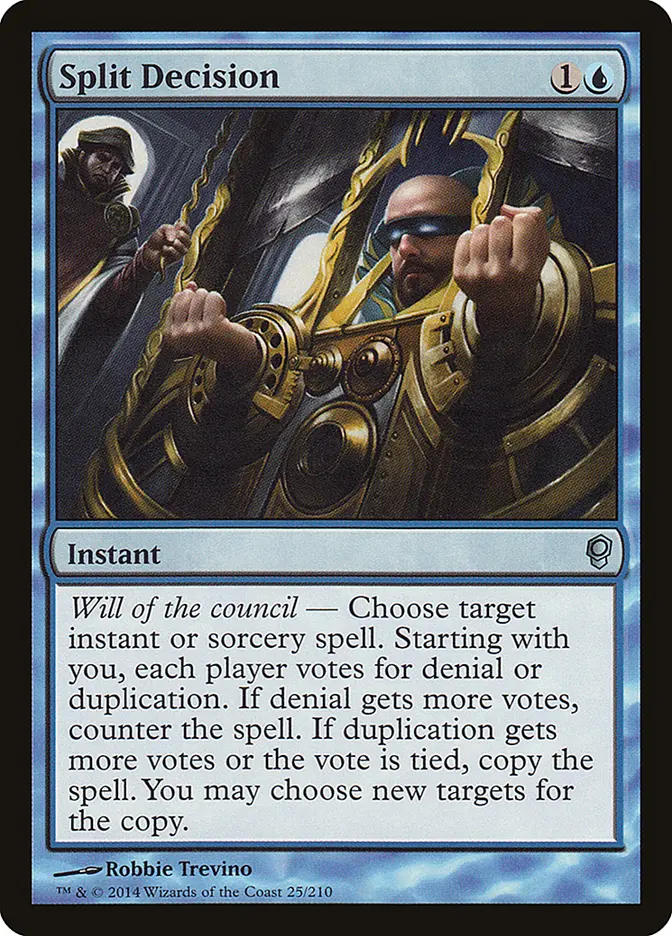
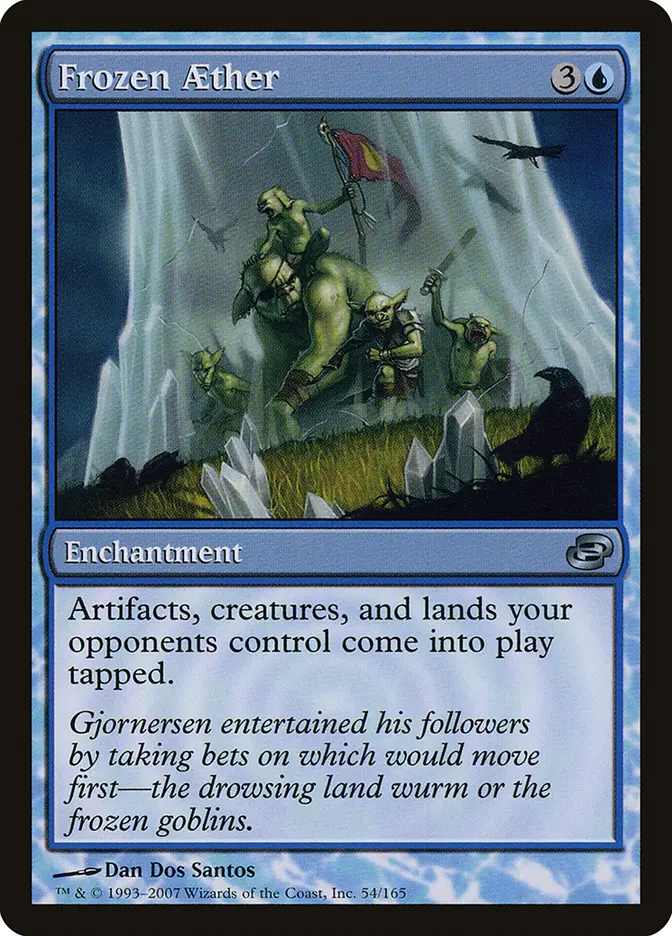
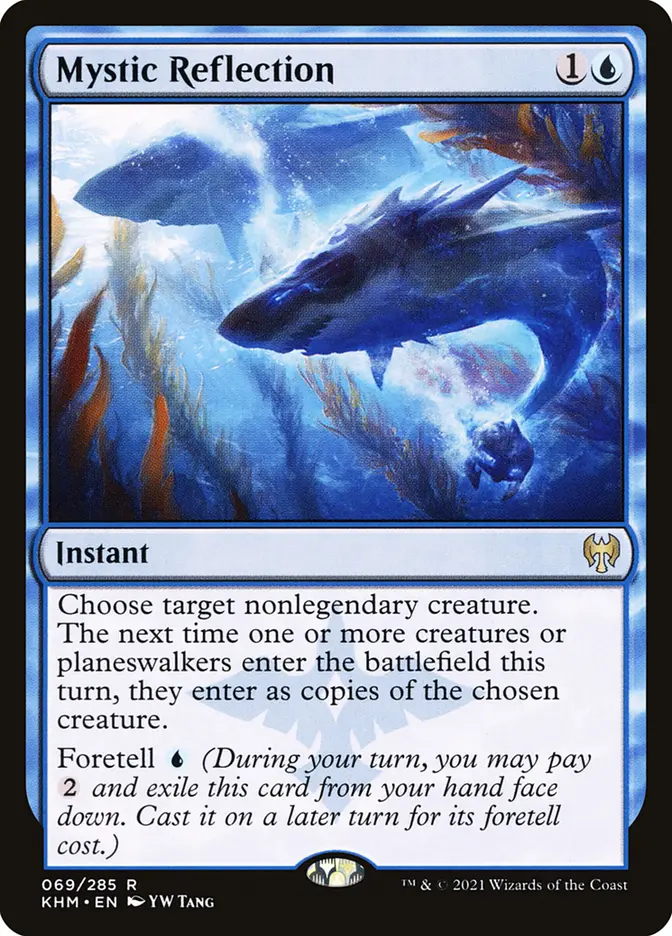
Oh, the fun doesn’t stop there. We have plenty and I mean plenty of ways to have fun at our opponent’s expenses. After all, we don’t really do much in this deck and have to rely upon our opponents to do the dirty work for us for the most part.


We’ve also got some mana accelerators since we can’t typically ramp. They’re nice if we can get them. The Water Crystal also offers us a potential win-con later in the game.
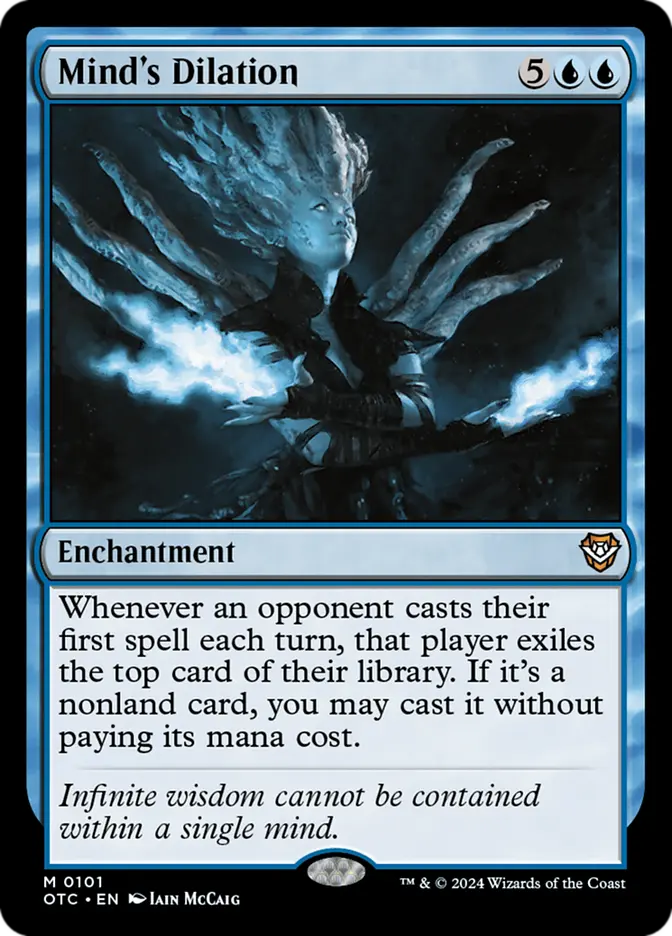

Unfortunately, where I’m the least creative is looking for singular card wins in the late game outside of the typical extra turn loops and alternative win cons. These are two cards that I think fit in perfectly well with the theme of this deck. The victory condition is largely spelled within the text of our commander. We “trade” our cards with our opponents’ and hope to win with their win cons.
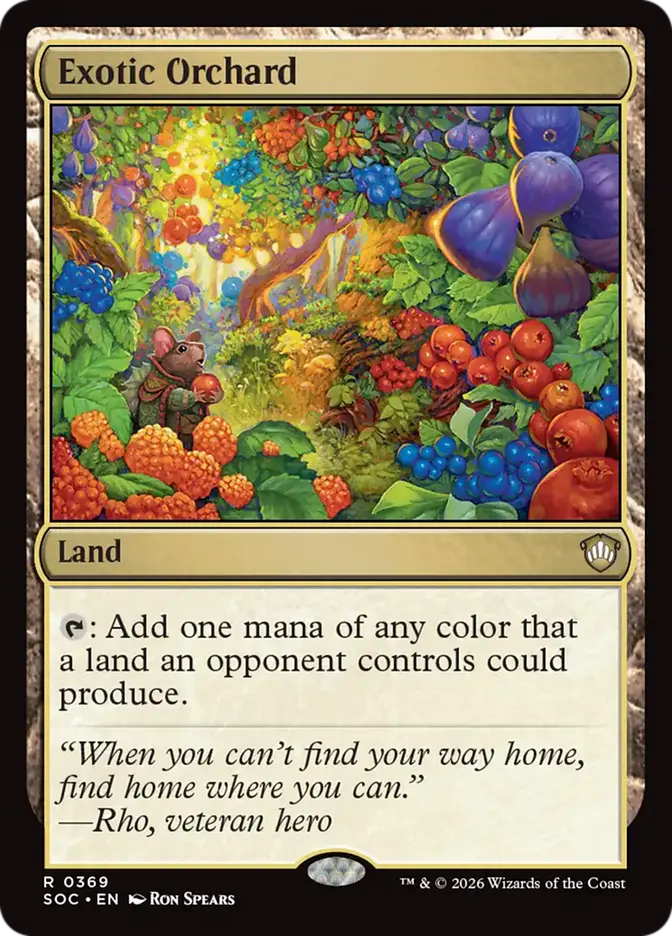
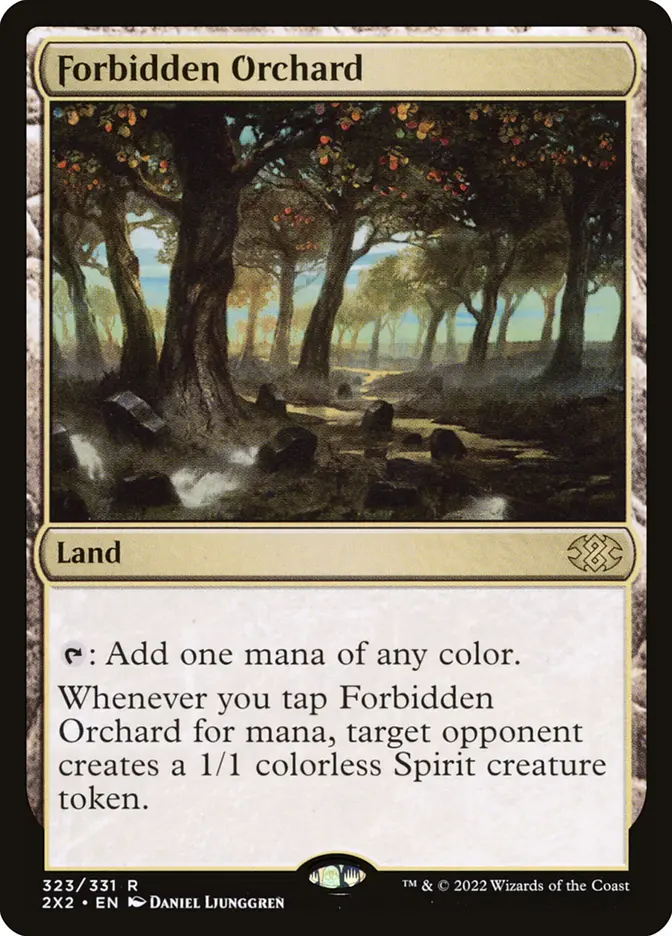

As for land suggestions, you can put in the typical blue utility lands. I’ll probably make a post on that a little later. But for now, outside of generic islands, you want to put in a handful of lands that can make any mana. The reason for this is that we can’t run basics due to Commander rules, so we need to find ways to skirt the rules a little. Forbidden Orchard is funny in the fact that we can actually provide our opponents with creatures to trade, and, given how useless our creatures are most of the time, it’s sadly a more beneficial trade than keeping our own creatures with us.
Game-play wise, the deck is fairly simple and struggles for the same reasons that many theft decks do. Many decks built nowadays are fairly concentrated and usually optimized for said theme. However, what this deck does punish are decks that often run generic value creatures such as that of Esper Sentinel. Who knows? Commander is the wild wild west when it comes to games and interactions. Sometimes you just get to trade some random 1/1 dork for your opponents’ Ghalta, Primal Hunger.
What can I say? Welcome to the art of the “deal.”