
This is a parody article.
So I’ve decided to make some play guides to help emerging new players getting into the game. Beginning with the first of this series, I’ll be looking to break down the general parodied sentiments and overall cultural feels that certain colour pairings exhibit. We will be beginning with this week starting with mono-blue.

So you’re sitting down at the table, and you’re wondering what everyone else is up to. You open your hand and the first thing you play is this land above. Automatically, you have to understand the following:
- You are the number one archenemy
- Everyone will now proceed to beat your face in
You deserve it
Now regardless if you embrace the suffering and pain of being a blue player or actively loathe being targeted, there is a single strategy that all blue players must employ at this point. The first thing you must do is cry. Given that this island provides a tear drop symbol, you should be well prepared on knowing what to do.
The classic way to play blue in Commander is to cry and play the hapless victim for most of the game or even as you’re about to win in my pods. There are many ways to achieve this, but some common strategies include stating blue’s well known weaknesses in the lack of ramp and pretty mediocre creatures at best.
Each damage point you receive should be exaggerated and expressed as if players are ripping a chunk of your soul each time their creatures swing at you no matter how little the life you lost. After players feel enough disgust, annoyance, and pity for you, you’ve achieved the general gameplay patterns of blue. At this point, they’ll probably leave you alone, not because your acting is any good, but mainly because everyone else is actually building a board while you’re playing draw, land, pass.
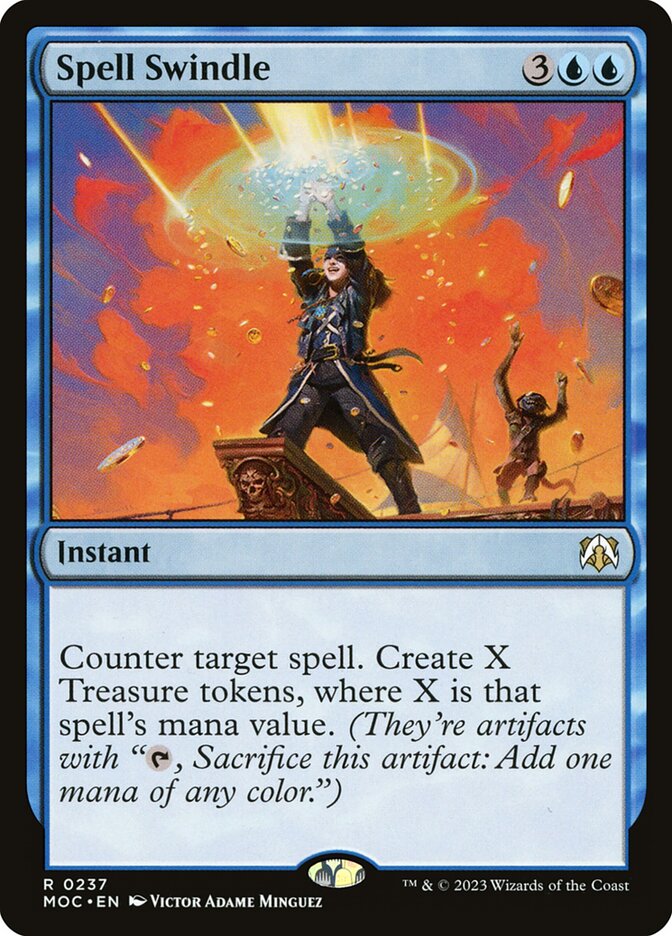

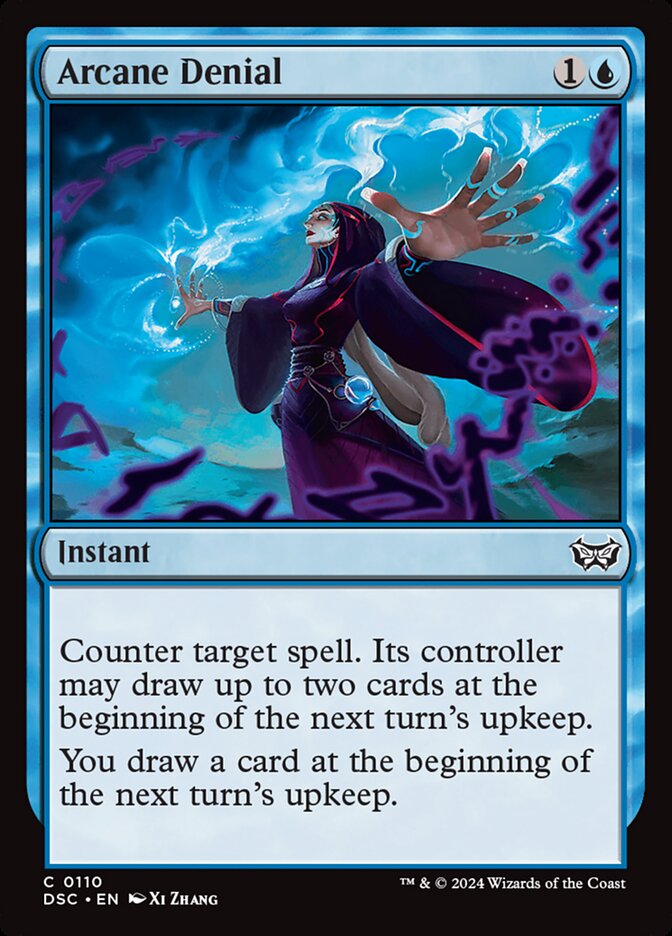
Why do people hate you? Well, you have one of the most powerful forms of interaction in the game. Counterspells double as both removal in the fact that you remove a spell on the stack and also deny any enter-the-battlefield effects. To be fair, you don’t really have much else that you can do to most spells for the most part. This is your strongest suit and your most obvious form of interaction. Generally, once it hits the board, your life is over.
No one likes getting their cards denied, especially if these cards have advantage generating enter-the-battlefield effects. And it’s doubly worse if you do so on someone’s commander since they now have an additional tax the next time they attempt to cast the same card.
Truth be told, threat assessment is a skill, and determining when best to employ your defensive moves is essential to playing the game of Magic. It is especially hard in Commander as your spells go 1:1 and you’re essentially removing a threat for two other people at the table.


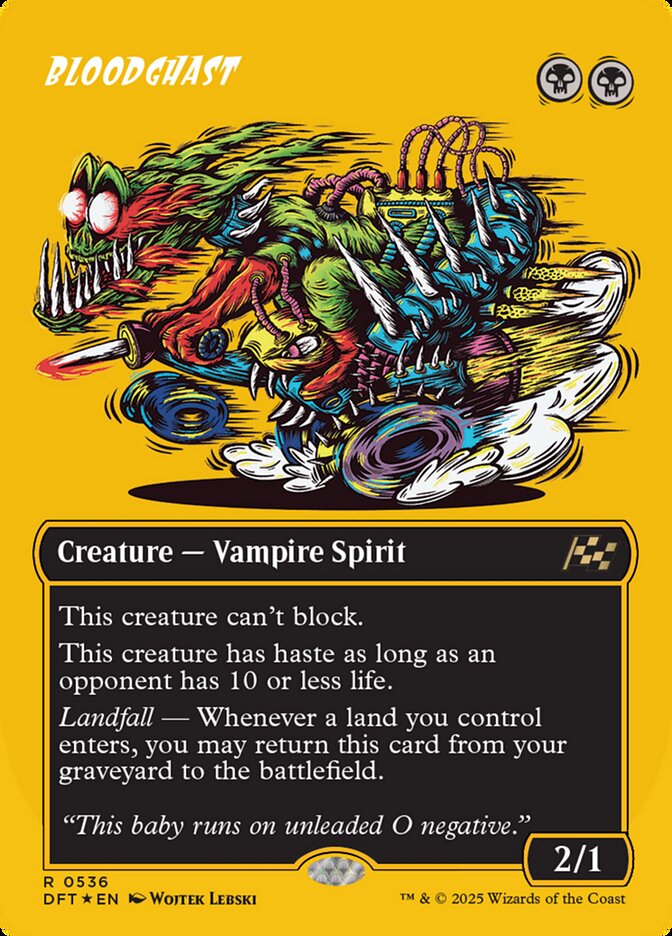
Now the traditional blue player also can’t read cards, so the moment you see anything on the stack, it’s a race to see how fast you can tap your lands and drop your counterspell. Furthermore, since you really don’t do anything for most of the game, you want to the show the table you’re actually alive. So when someone casts something like a Bloodghast, you immediately drop that counterspell to show them who’s boss.


There is one demerit to playing blue. The moment you see Boseiju, you may as well scoop. Your deck probably only has one form of interaction, and the moment they share “cannot be countered”, your life is over. Especially in the colour of green, if you see this fancy troll shaman, you know your life is indefinitely over since it’s going to repeatedly beat you to death as you sit there wondering if maybe there’s more to life than draw, land, pass.

Remember, you have to remind players all the time that you are unlucky, you drew bad, and that you have nothing to play. You tell people that you have the worst creatures of any colour imaginable, showing a picture of the above to try and get them to ignore you.


You play some endgame creatures like the above and then go “oh no, I got lucky, this is one the few rare good creatures in my colour.” You tell everyone that this was by chance, and blue rarely gets any good creatures. Remember, the more you whine, the more powerful you’ll be (and the more players will rather ignore you).

Now everyone knows you’re not really likely to win the game through combat so you’ll either be looking for a combo or some win-the-game card. As with all creativity in blue decks, you go on Scryfall and type the words above. Then you stick some amount in your deck, and hopefully by turn nineteen or something, you draw into it and win with your totally unique and creative win condition.
Afterwards, make sure to tell your opponents who’ve spent most of the game playing with each other while ignoring you that it was a good game. Talk about everyone’s contributions and how you helped at some point with your total of two counterspells in the last eighteen turns prior. At this point, you should be sweating as you’ve performed the most difficult task of blue to play a win condition. Say that the game was very close, and then pray that these people will rejoin you next week at the pod. You may need to beg and offer them gifts, especially if you want them to let you play your deck again.
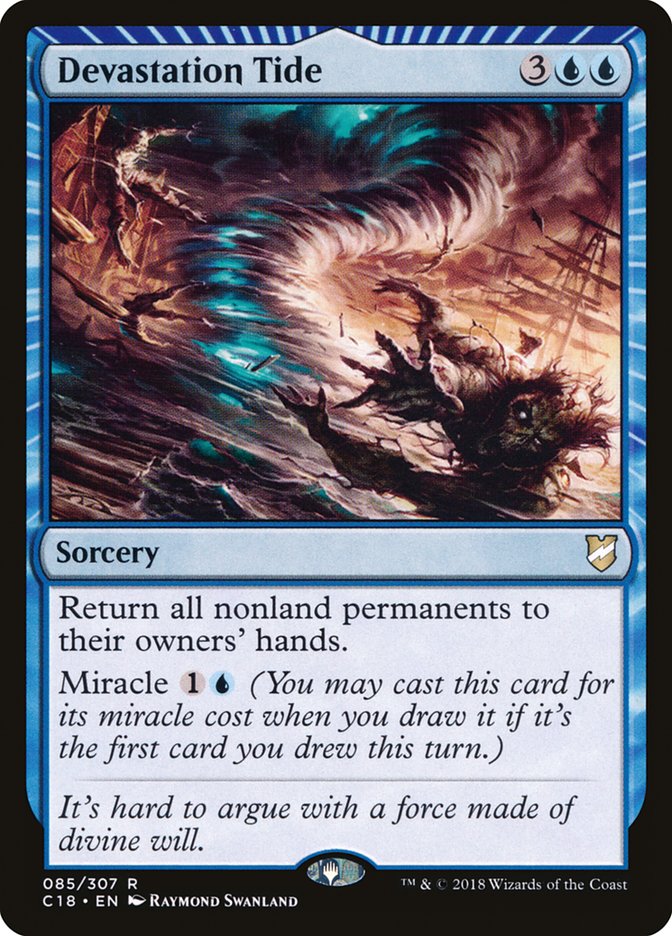


Remember, you performed a skilled set of strategies and gameplay actions that lead to your victory. Through casting random nonsense and discarding cards to overhand, you eventually got to the point in the late game or lucked into casting large blue spells that either gave you additional resources, reset the board by bouncing everything back to the stone age, and/or giving you an extra turn. Remember, you “lucked” into it.


You have absolutely no idea how you got those endgame cards in your hand. As the colour with some of the weakest creatures, there is no possible way you were able to somehow find these cards in your thirty draws throughout the game. It just so happened that you somehow drew the card at some point. No one really knows how exactly though.


Going to your command zone, you’ve got these wonderful “fun” commanders to work with. Your opponents reads them and identifies them as a threat. You should respond with “they’re casual” and “they don’t really do anything.” After all, Urza only exists as a way for you to ramp. You’re totally not going to abuse his last ability to pull some nonsense out of nowhere, right?

There isn’t really much for you to do throughout the game. You play mostly as someone’s lapdog for the most part. You try to crack deals like “I’ll counter this, please don’t kill me” and in return, you’re left alone for a little bit. Just remember to brag that you won this fair and square through your own personal hard work and skilled gameplay by combating all interaction with deep diplomacy and perfect use of your counters at just the right moments.
Now that’s not even where things get the most hype. Think about when we reach the point of the mirror match with two blue decks facing off.

Seeing that they also have a blue commander, you realize that this is going to be a match of the ages, a highly responsive intellectual battle that determines ultimately who has the stronger strategy and skill set.

This is your opening hand and you’re ready to play against your opponent. You can feign that you have interaction and perform your traditional high IQ move of draw, land, pass. They’ll never know what’s coming. You can also leave your lands untapped during their turn, warning them of the potential that lies your hand.

Your opponent thinks exactly the same. They’ve got a hand full of action and ready to repeal anything you play. They taunt you by dropping Temple of the False God on their first turn, making you think that they have a form of interaction ready when they tap the land after ten turns of finally drawing and meeting the five-or-more-lands requirement. Now normally, any players would mulligan these above hands, but you two are blue players. You two are smarter than the average player. You two know and respect the dangers and potential that your opponents have.

You have to play the mind game. Using a mulligan would be showing weakness; after all, blue players always draw perfect, even in the opener. Your decks are so well built that you’ll obviously draw what you need next. You two do nothing but play lands and pass for the next twenty-eight turns until the shop itself turns off the lights. After getting asked politely to leave, you shake the hand of your opponent and thank them for that wonderful intellectual experience and invite them to show up again at the shop next week with the same deck for another battle of the wits.