
It has come to my attention, as of recent, that many folks have a bit of a conundrum on their hands. Before I begin, I am not faulting players for picking whichever commander they choose. Be it strong, simple, effective, or a plethora of different combined adjectives, the choice of what you pick is yours and yours alone. But there’s a increasing issue as the game continues to evolve and WoTC prints more and more powerful legends.
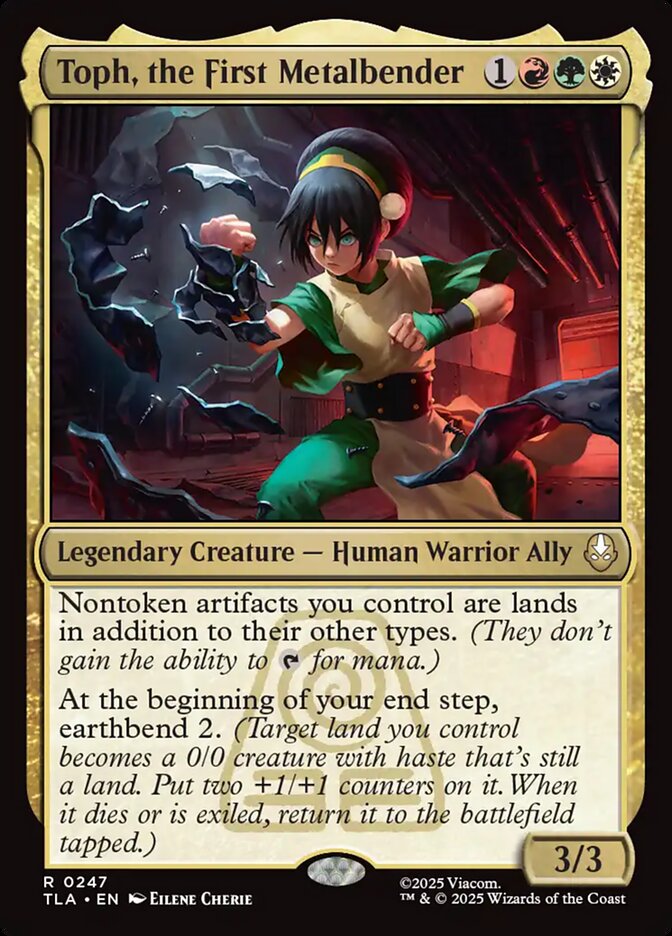
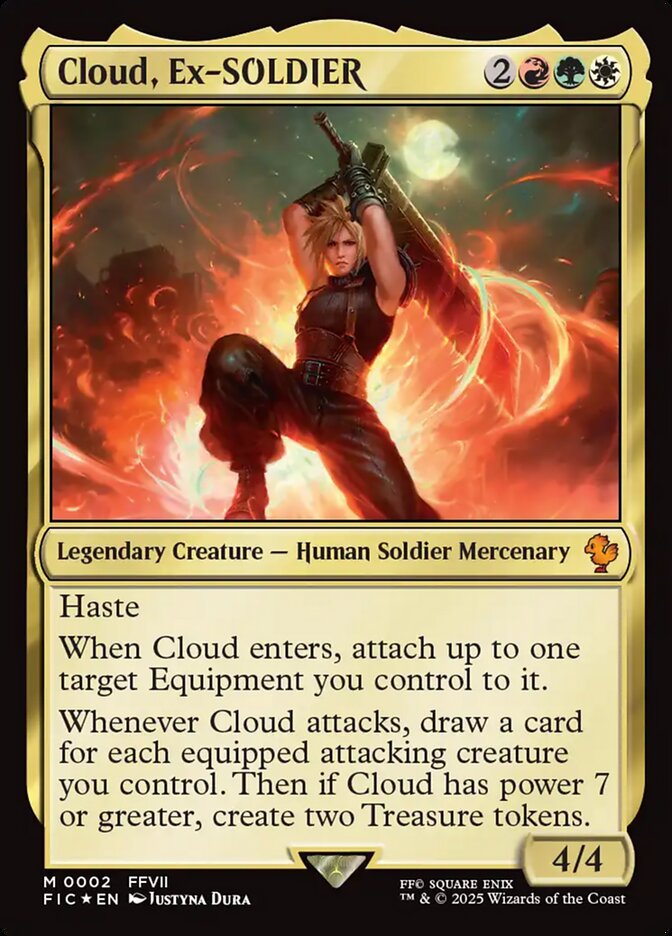
So, the first thing I want to dispel is a floating belief that the power of a commander is gated by its price tag. This is absolutely not true. Some of the most powerful commanders are easily accessible and lower rarity. The power of a commander in game is not conflated or directly linked to its physical price tag on the secondary market. With that out of the way, I want to talk about the issue of running commanders like the two cards above.
In Magic the Gathering, in its most basic principles, there are two things all players want to do. You want spells that you can cast and the resource required to be able to cast those spells. These are the two most basic principles that all decks, for the most part, want to accomplish. So with this knowledge in mind, let’s take a look at our first case study with Toph. Now Toph is a very powerful card with many lines of text. The first line of text transforms your artifacts which can be used for a variety of shenanigans, especially with keywords such as Landfall. But aside from that, we have her secondary ability that’s a bit more simpler to breakdown. Basically, at the end step of your turns, Toph will make one of your lands (or artifacts turned into lands because of Toph) into a creature with Earthbend. Earthbend itself is a mechanic that will transform lands into creatures that will return to being lands upon being exiled or destroyed. Normally, this is a cute and fun design if for not for previous designs printed on some lands.
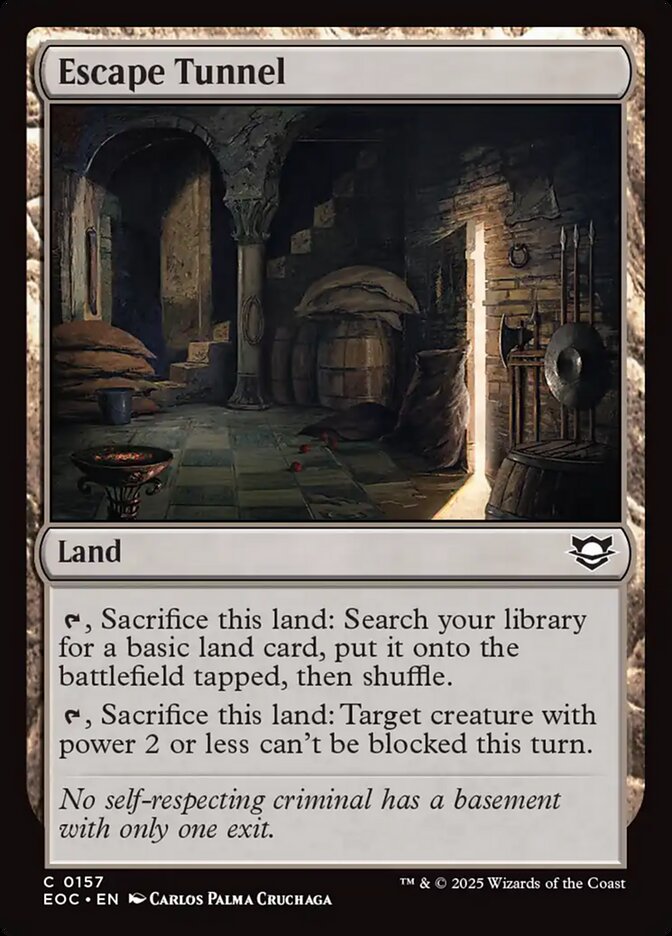
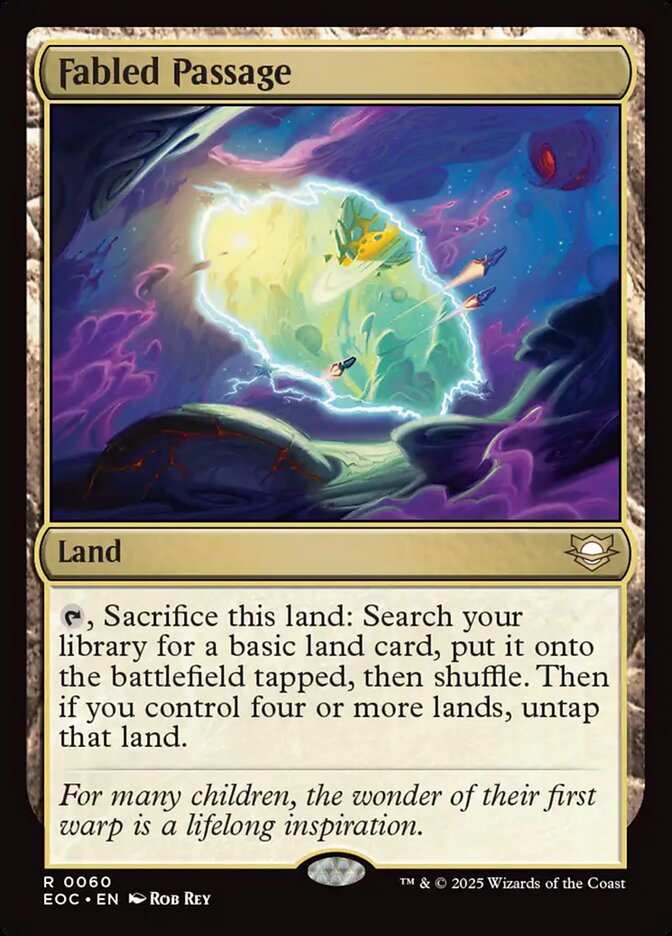
The interesting note with Earthbend is that it pairs incredibly well with fetchlands or any land that sacrifices itself to search out another land. With Toph on board, these cards will simply return back to your board to be sacrificed again and repeat the cycle. There is a safeguard in place as the sacrificed lands must return back tapped. Ramp is very powerful as a mechanic as is, giving a player more mana than each of their opponents in future turns. Having it built in your command zone gives you unparalleled access to ramp. And given that Toph is a consistent ability that procures at the beginning of that player’s end step, if Toph doesn’t get removed, they can constantly be cleaning their deck out of lands and allowing themselves to cast larger and larger spells. With artifacts, it can be a bit more nuanced with Toph, but you can mess with silly shenanigans like with The Stasis Coffin.
Cloud is a design which perfectly speaks to having a fulfilled and completed commander experience in your command zone. Cloud does everything you want him to do. When you think and read Cloud’s text, the commander essentially designs your deck for you, giving you exactly the blueprint you need to empower him. That is to say, after a quick glance, it is obvious that Cloud is an equipment based commander seeking to deal large amounts of commander damage to close out the game. Normally, commanders like Cloud have a number of flaws, but Cloud actually has pretty close to everything in order to protect himself outside of built-in keyword protection.
Firstly, Cloud has haste, letting him immediately get in on the action and complete his objective. He attaches equipment on your board immediately on him when he enters, bypassing the traditional equipment costs and timings. And most importantly, he gives you card advantage on attack, rewarding you for having several equipped creatures. Most notably, Cloud himself will almost always give you at least a single card draw, considering that he includes himself in the count. And if that was it, he would already be quite powerful of a design, but to add to all of this, he gives you treasures if you so happen to swing with him when he’s quite large on board (most equipment naturally give power and toughness).
To put it simply, Cloud is your hand advantage engine and win-condition both built into your command zone. Cloud provides both of the fundamental concepts that all players want as he gives both hand and mana if you fulfill his conditions. Ultimately, both Toph and Cloud carry the same problematic design issue. Both are powerful cards that essentially enable their entire decks. And if either card sticks around on the battlefield, they’ll more or less be guaranteed to swing the game in their favour. Compared to older commanders that require some level of set-up and provide either a small nuanced advantage ability or one-time effect, both Toph and Cloud carry game-changing potential with their presences on the board.
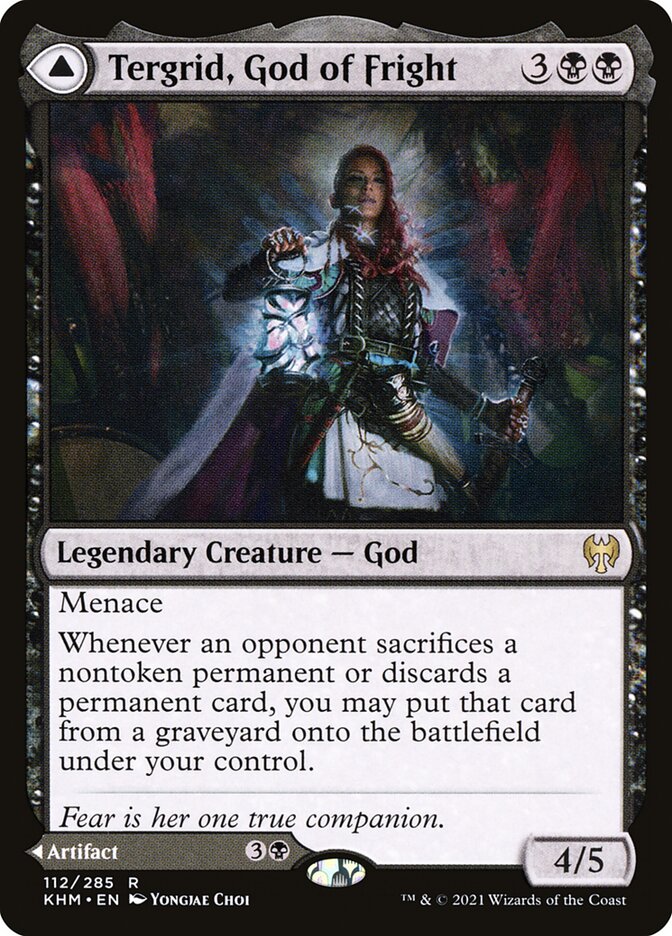
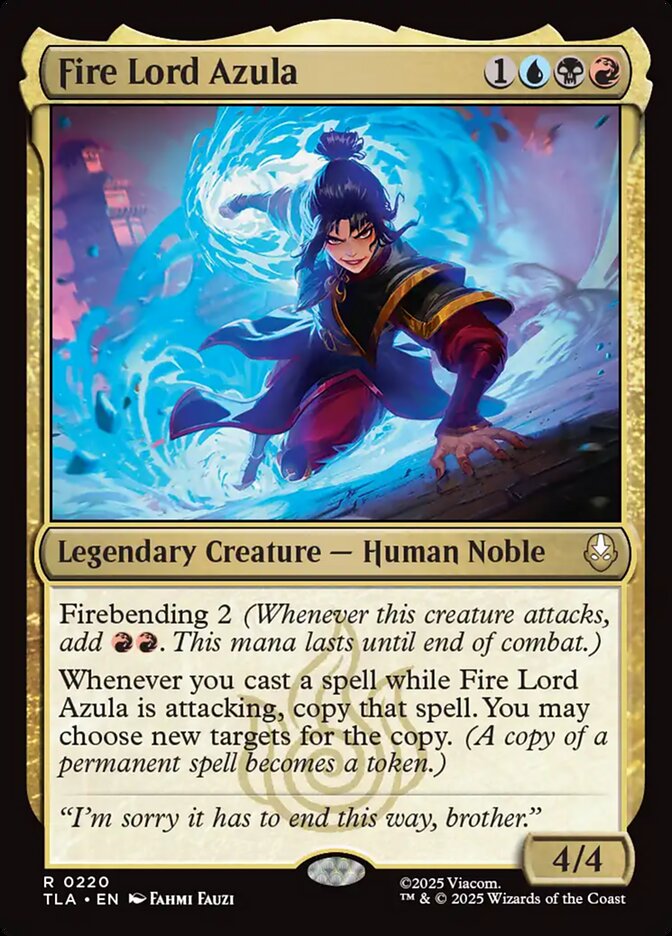
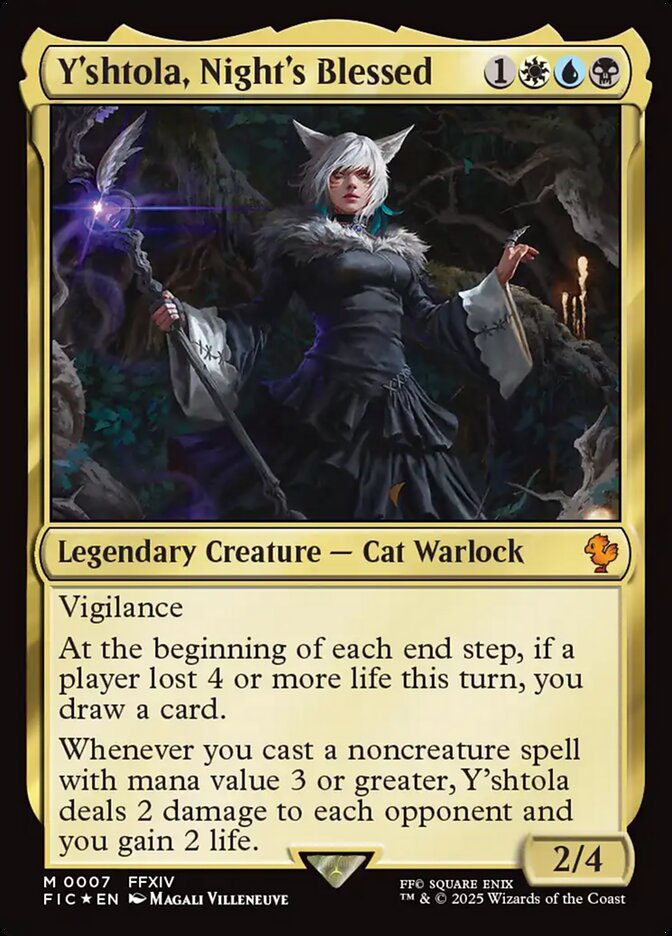
That’s not to say that Toph and Cloud are alone in adding power onto the board. Old designs such as Tergrid are extremely powerful and can be easily transformed into a way to dominate your opponents. Newer prints such as Fire Lord Azula have potentials of going infinite while Y’shtola just constantly grants you card advantage turn after turn while draining your opponents. Cards like the above, including Toph and Cloud, are what I would argue to be “kill-on-sight” commanders. Now I know there are some negative sentiments with that of “kill-on-sight” as it appears to be more like targeted and prejudiced removal. But given what has been stated before, I hope you can clearly see why these cards need to be dealt with almost immediately. And furthermore, since they are from the command zone, they can be easily accessed over and over again.
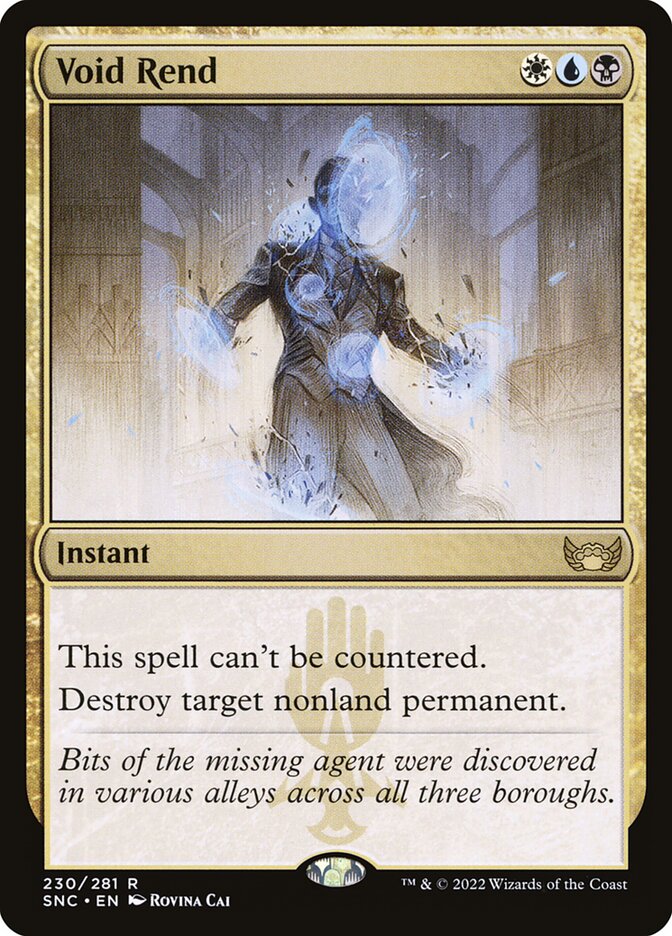
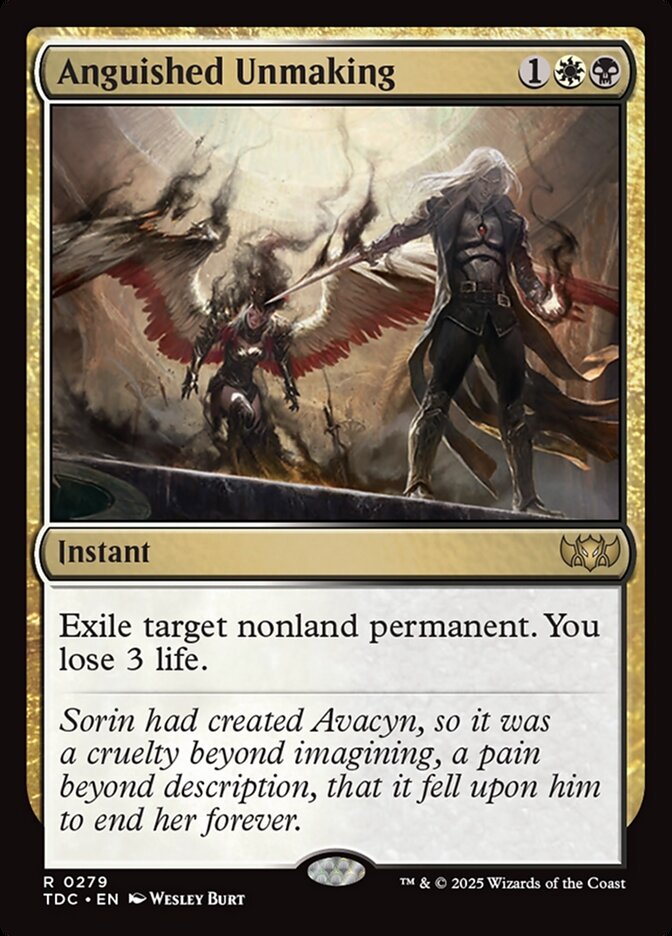
Cards like these need to be dealt with not necessarily because they exist but because of what could happen if they have a turn or two of sticking on the board. As such, given the constant power-creeping nature of Magic design, players must be more and better equipped to handle immediate threats. Removal isn’t just a choice; it’s a necessity. The potential of what these cards bring and that of each newer commander design as a whole requires and pushes the importance of being able to react accordingly. The core problem is, even if, say the Y’shtola player, were to state they weren’t running anything “broken” or “scar”, her existence continuously harms the table, and your opponent will eventually just kill everyone outright just from casting random spells through Y’shtola’s core abilities. Removal is a general must.
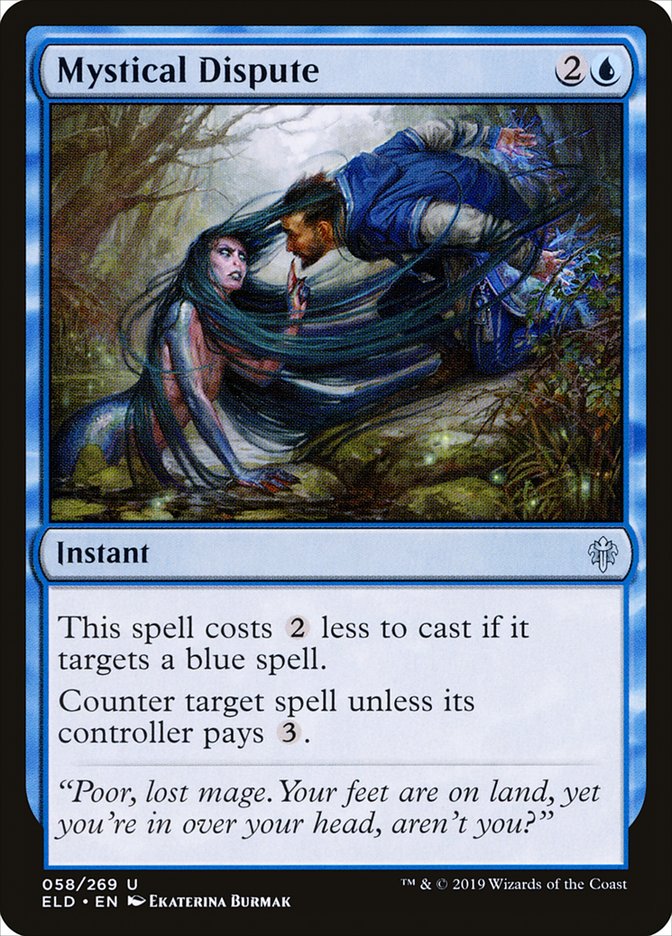
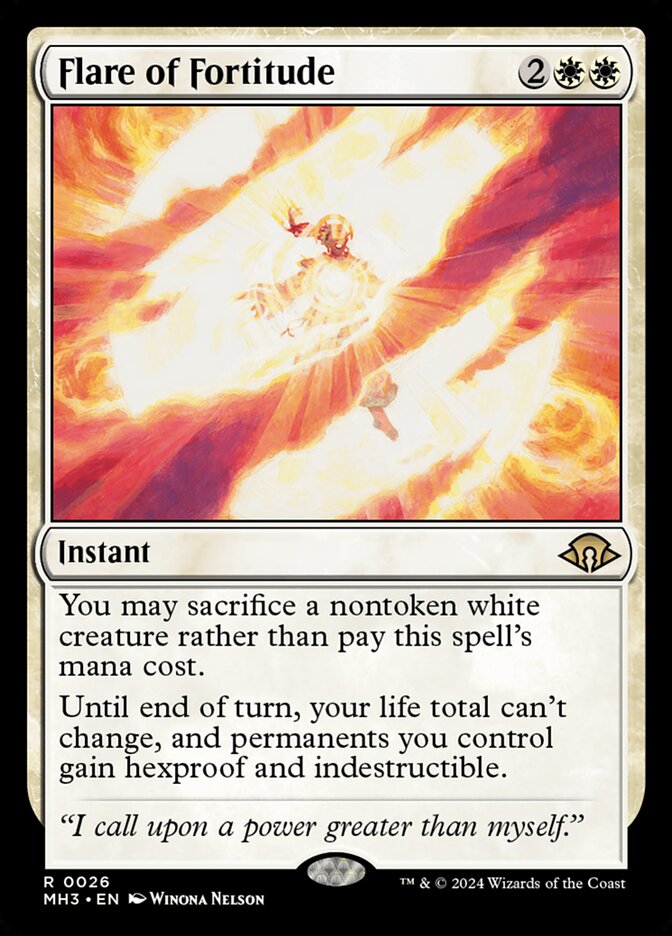
I am not, however, saying that players shouldn’t be allowed to play these powerful cards, but they need to understand and acknowledge the power that their commanders carry and the potential aftermath that comes with playing these cards. Players will learn to address and remove these pieces. And if you are wanting to play cards like Toph and Cloud, you better be ready to defend them. Choosing a powerful commander also leads you to start off the game with stipulation and fear of what you can do. You are basically entering the game with a bounty target already placed in your command zone. You should be ready to deal with the onslaught of responses from your opponents and not just removal for your commander. Experienced players know that the best way to stop you from casting your strong commander is to simply remove you from the game, so you should be ready to expect significant aggression should the rest of the players not be of equal power to your deck.
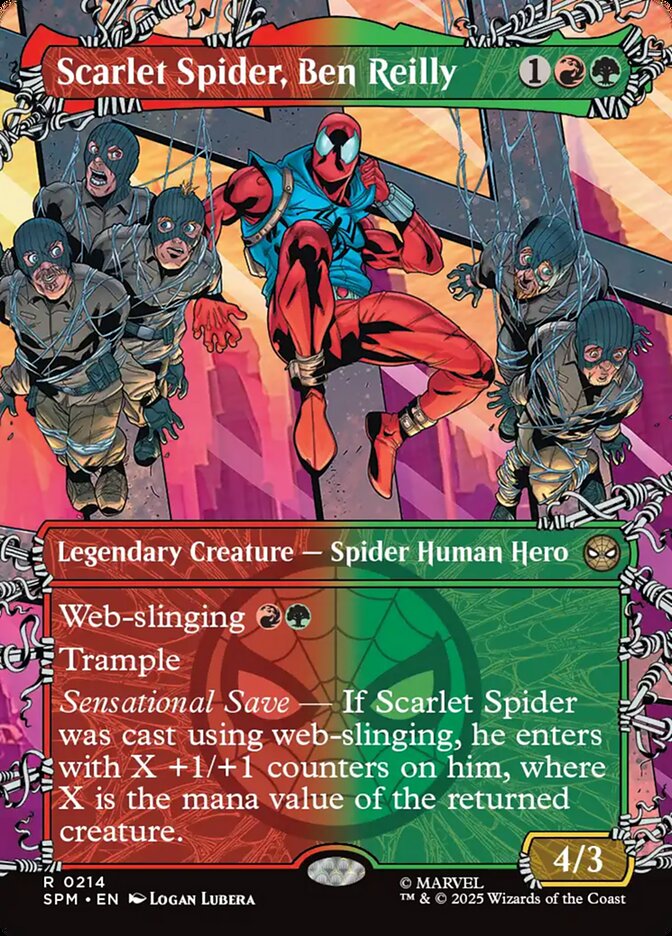
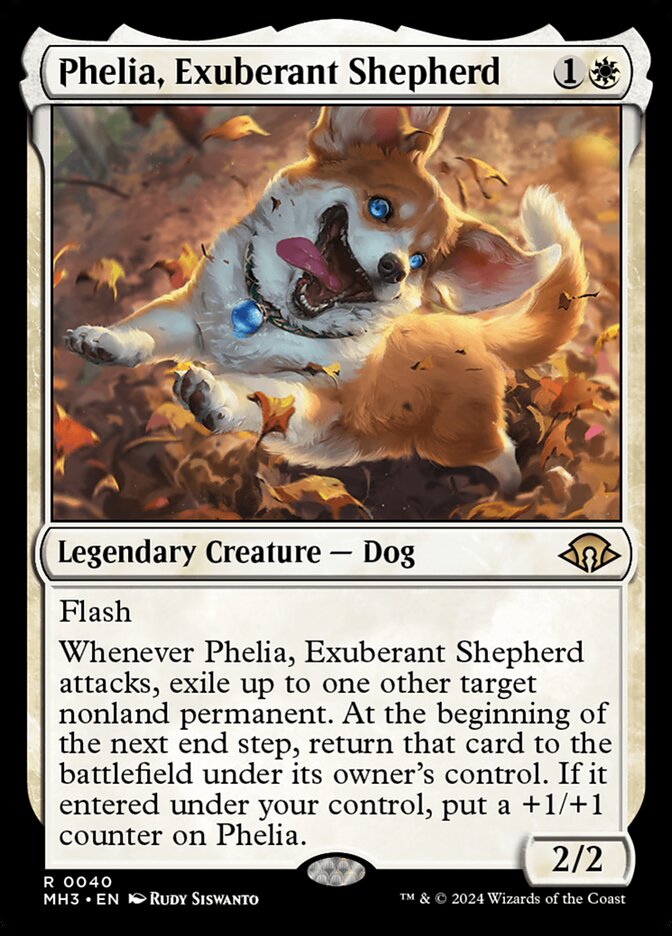
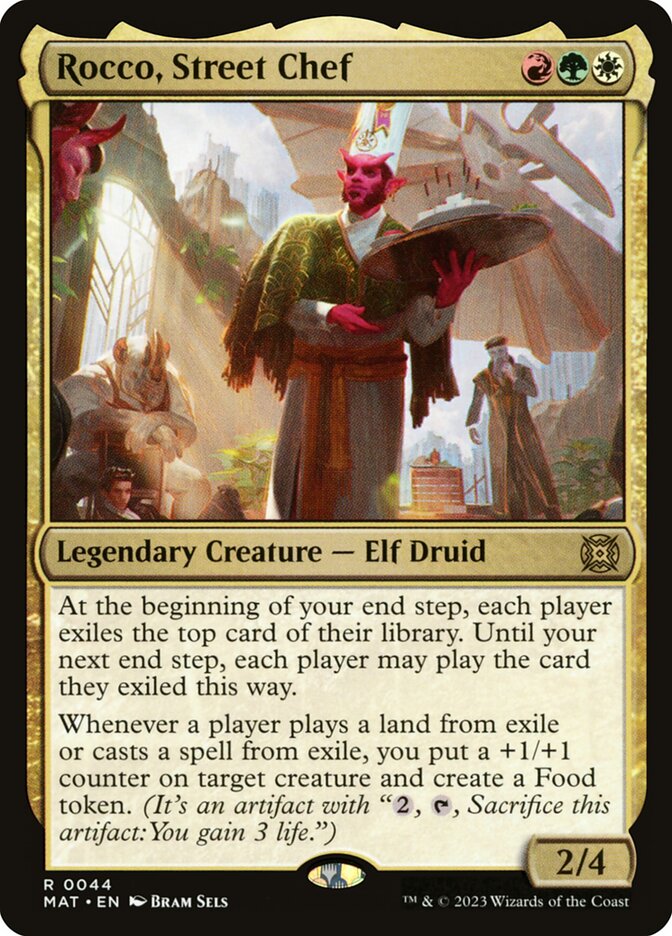
Alternatively, you can choose not to play these powerful cards as your commander (you can still slot them in the 99, thus reducing their consistency significantly) or just switch to a different commander altogether. From my own experience, Commander is a format where things are constantly being shuffled around and creatures are prone to being removed. If you want your commander to slip through and survive the layers and layers of removal, your best bet is to likely play a less-tuned commander or one that provides small advantages.
Making mana and having card draw are fine in your command zone. As I’ve stated before, when you fulfill one of the two principles of having spells or having mana, you’re pushed far into the lead. The question is how much do you want to share to your opponents and indicate that you are in the lead. For cards like Toph and Cloud, the danger is incredibly obvious, but if you were only gaining a single hand refill on the turn that the commander is played or you only get a single ramp similarly, your card is more than likely to hide under the radar. Furthermore, if you are playing a commander like Rocco where your advantages are shared, it is much less likely that players will be going for its head.
The bottom line is that you can feel free to play powerful commanders, but you shouldn’t be expecting that you’ll just get a free pass even if you were to share to others that your deck is much weaker or has nothing in it. It’s hard to justify that, even if you were telling the truth, simply because of how your commander reads. I think it’s better to be honest and accept that you are playing a strong commander and be ready to take the heat, filling your own deck with protection and other spells to ensure that your commander remains on the table once summoned.