
While having watched Magic the Gathering for almost a full decade (time sure does fly by fast doesn’t it), I had only decided to step foot in the Commander format about two and a half months back now. It was due to a handful of factors. I was getting a little bored in the other card game I played: Weiss Schwarz. My friends in that game were already moving onto other games (not quitting entirely but giving less care and mind to the game). The community around me already felt like it was shrinking. I wasn’t looking to quit by any measure, but I just decided to take a side-step and allow myself to fall gracefully (90ft dive) straight down the rabbit hole of EDH.
Despite my knowledge, which surprises most of my pod since I did not actually touch any cards for a long while, I had very little play experience. On top of that, I never really watched much of EDH, mainly focused on that of Modern and Standard. I can’t recall the oldest sort of format or deck I saw for Modern, but I remember Mardu Pyromancer being quite a big thing with Spirit Tribal players going crazy with the addition of Mausoleum Wanderer.
Previously, one part of the reason I hesitated to play EDH was because of my experience in the few games I played which were rather mediocre at best. Looking back on it, it was a sort of misunderstanding of my part for the format and also the general ways in which the players around me introduced the game. I never understood the point of it. With the deck being ninety-nine cards, the expectation was the game would be more long-winded and random. But within a handful of turns, one of my opponents just casted their Morphon the Boundless and went infinite with their elementals. In another game, other players just got their Rhystic Study and Smothering Tithe online and just dominated the entire game without anyone else really having much output. I had thought the game was boring and overly lopsided, but I’ve come to realize that is due to misunderstood expectations for the game and balancing within a player pod.
Anyways, back to the point here, my first deck for EDH was centered around a few philosophies.
- I wanted every player to have an equal chance to play the game
- I wanted the game to be much more interactive with players actually considering the boards around them over trying to solitaire their way out
- I wanted to slow down the game so everyone had an opportunity rather than one player popping off and pushing the advantage significantly above others (preventing the lopsided experience)
Naturally, the first idea that formed in my head was playing “stax.” Now I had a golden rule where it was genuine stax and not “prison.” That meant I wasn’t locking anyone out of the game but changing the way that each player had to approach and play the game. I had expected quite a bit of hate for it, and, I did receive it with a rather unwholesome experience at one point at the table. But surprisingly, many of the older veterans of the game seemed to be fine with the idea and considered it interesting.
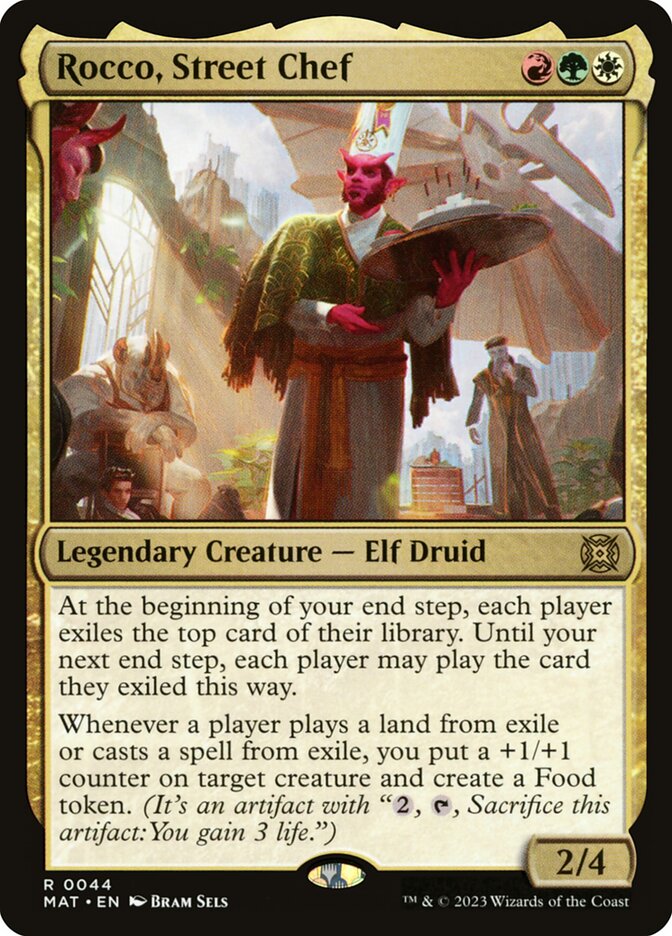
The first Commander that came to my mind was Rocco. I had loved the design since I first saw the creature, and its ability to give everyone a free impulse draw at the start of my end step made it feel like the perfect Commander to engage in my idea with.
Now, in all fairness, Rocco did accomplish the goal. Rocco was excellent. One of the funniest moments was having a player protect Rocco just so they could potentially push into more land draws that they were missing. Rocco’s second ability to mainly put at +1/+1 counter on creatures turned out to be much more of a demerit than I had considered. But this was more so due to group politics. Now when players casted Rocco’s “gifts”, I would normally throw the counter onto Rocco. As such, Rocco continued to grow and grow as players began to fret worrying that Rocco could eventually beat them instantly with Commander damage.
I had assured them that this was not the case. I have nothing in the deck that gave Trample anyways, so a single chump block would be more than enough to dissuade the idea. However, players also seemed to worry that there was some gigantic build-up due to the amassing number of food token on my side. Now, because I was generating some kind of advantage, the table would commonly see me as some kind of threat. I figured this was incorrect threat assessment, which it logically was so, but these players continued to label it as such. Part of it was deflecting their own threats, but the new players especially just considered the elf druid to be too much of a threat. Gradually, as I continued playing with the pod, they came to let go of the idea.
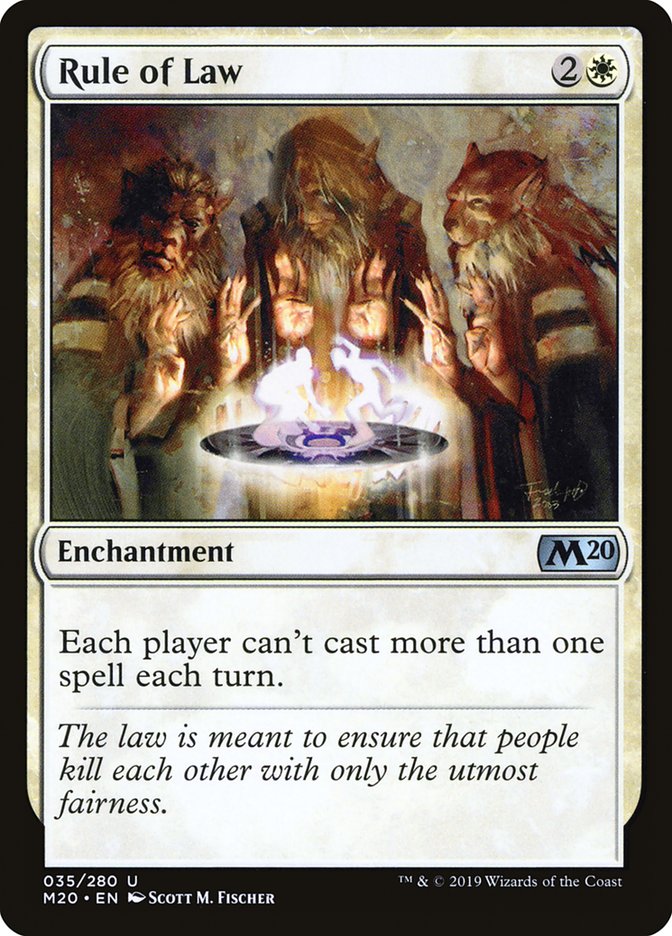
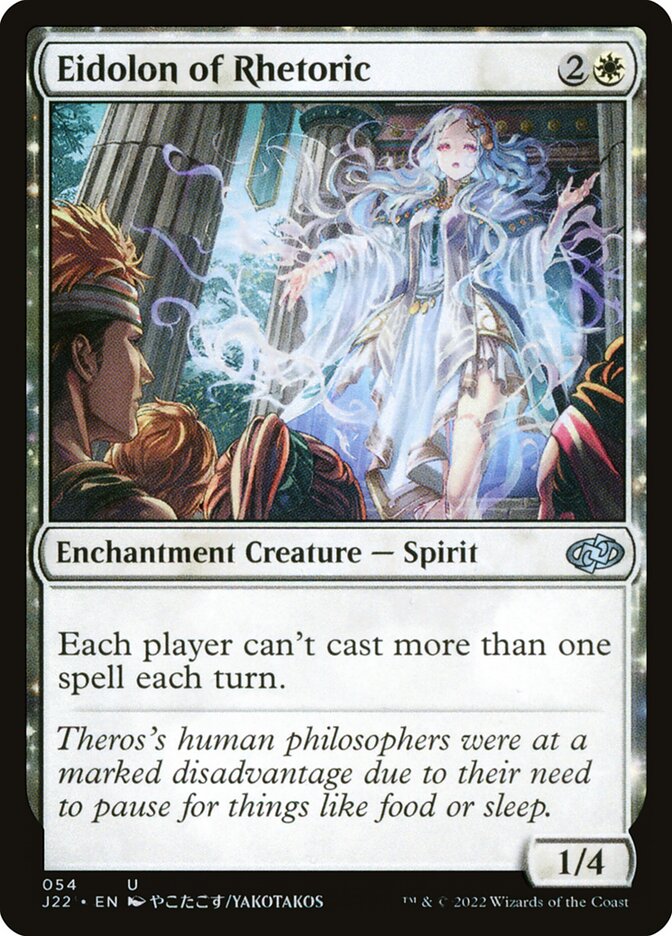
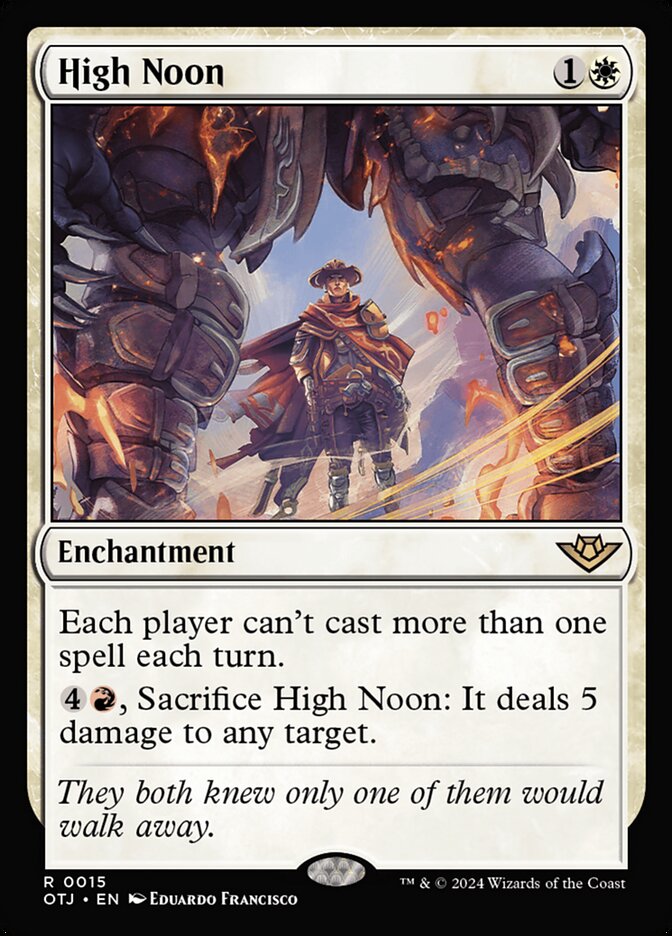
So here comes the second boon and bane of the deck. And this was probably what sparked the most controversy. If you know any of these cards or are in a very casual pod, you’ll probably hate my guts. And as such, this was also the case at the table. So the reason for Rule of Law and its sort of cousins is because the idea was that Rocco would be giving me additional hand that I can use during my opponent’s turns. The idea actually worked out half the time. The problem was I had no way to fix the top of my deck, so what I received was rather random.
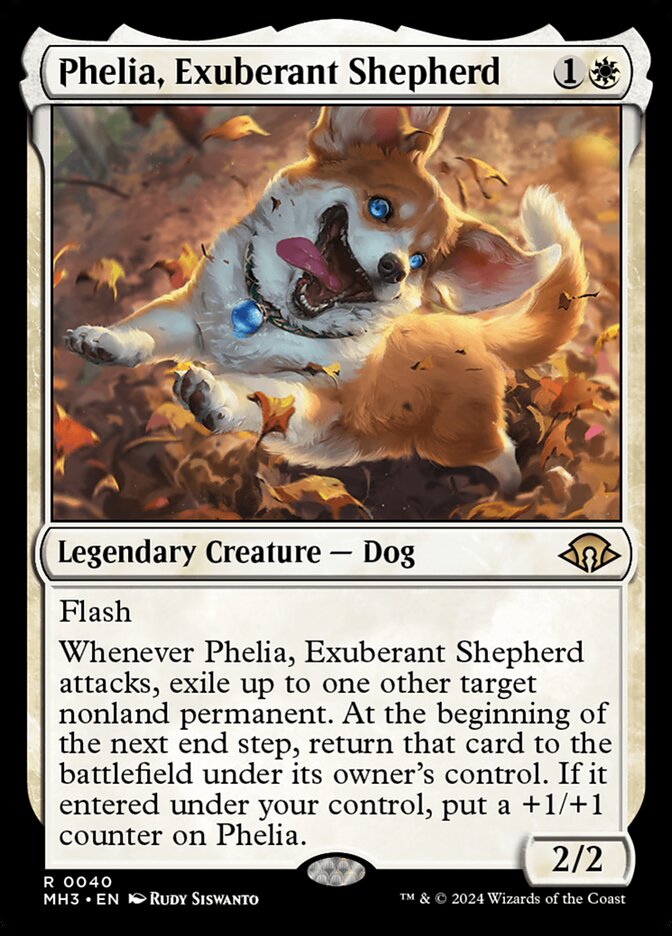
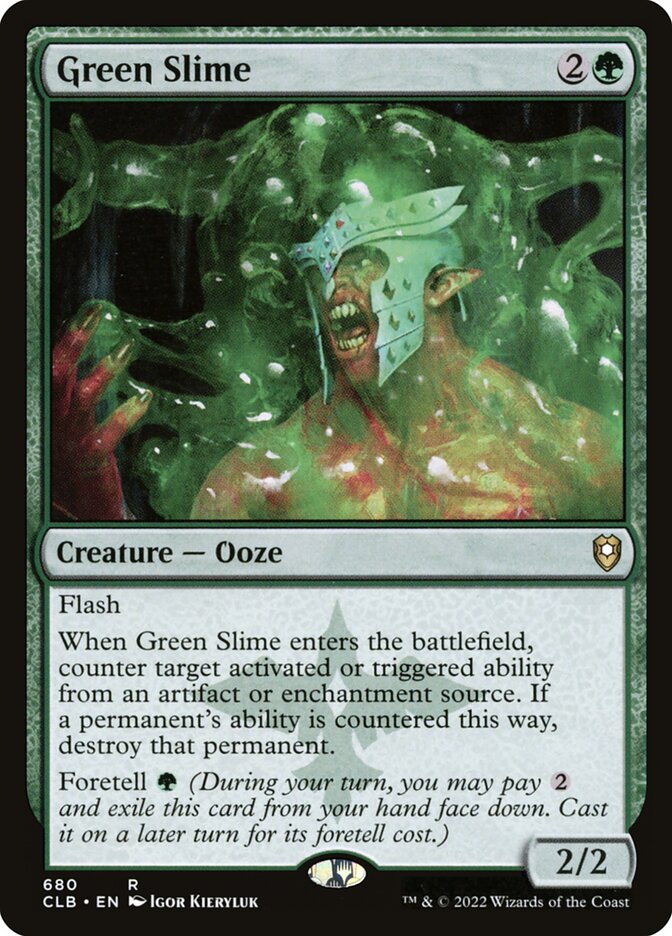
To get around my own Rule of Law, most of the spells in my deck were Flash creatures or instants. The problem was that I needed a very specific hand and also resources to cast those spells. Now I barely had any ramp spells or mana rocks (I personally hate both). I was often in a case where I was out one or the other. Furthermore, my Flash creatures were kind of random with their plethora of effects. I also leaned heavily into White rather than using the entire arsenal of colours and colour combinations I had access to. The main core of the deck eventually translated into Phelia’s own deck with Mono-White Control that you can read about there.
The bigger core problem was people hated stax with a hot-burning passion. And I had a lot of stax pieces. My gameplan was slow, and I needed ways to equalize the board. Players did not like playing slow. What was even more surprising to me was when players would lightly comment about being denied their ability to play multiple cards a turn. This was confusing to me since they told me after that they only had enough mana to play a single spell a turn anyways (so why would it matter if you were under the Rule of Law regardless?). It was more that people hated being put underneath rulings even if the ruling marginally affected them (which was more than often the case).
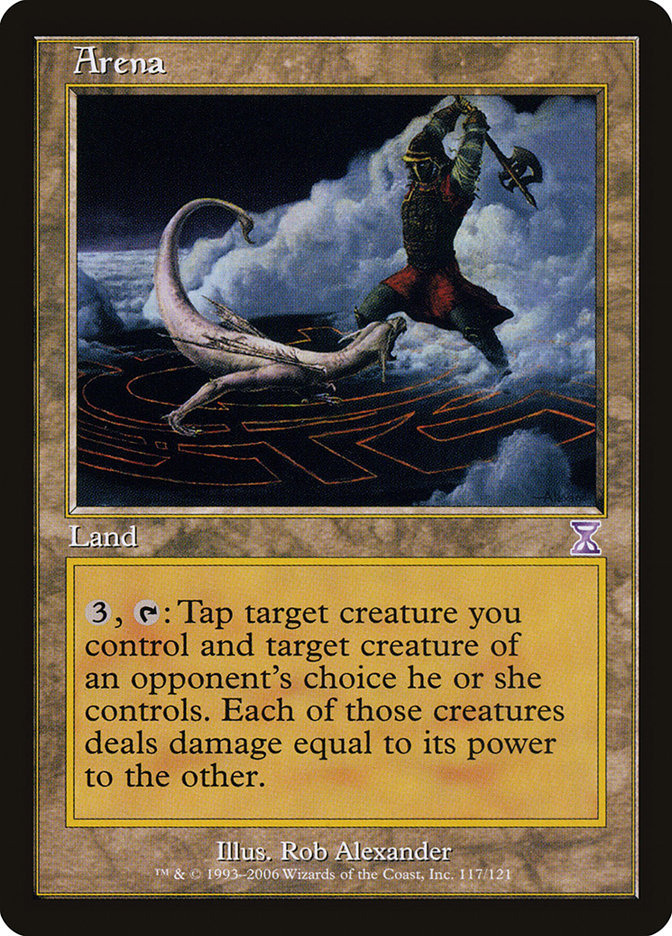
Eventually, I moved onto building a different deck which had more sway in pushing opponents. That would be the Fight Club deck which is listed here. I found out that, with my pod, if you wanted to them to do something or stop them from attacking you, your best bet was smacking them really hard with fast and aggressive creatures. They would readily plead to a deal where if you would stop making them lose half their life total in a single turn, they could maybe form a bit of a bargain. This appears to be a much more viable strategy than trying to tinker with them using random stax pieces.
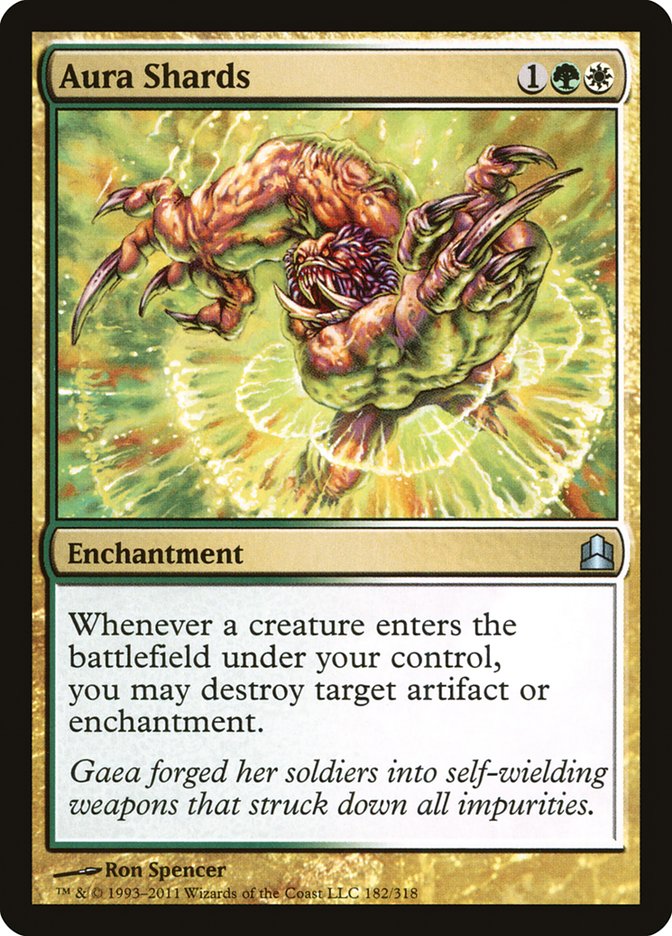

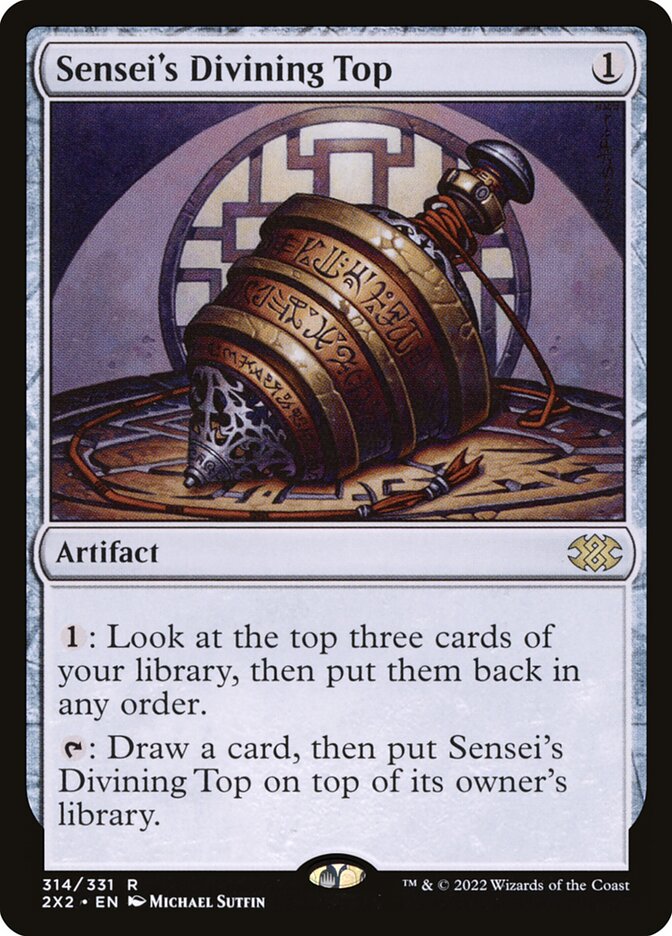
As my deck evolved, I began putting more powerful and effective pieces at dealing with my opponent’s board and giving me more resources. Seedborn Muse was a core card in the deck which really allowed my game plan facilitation with my opponents. However, it was only one card in the entire deck. Wilderness Reclamation did the same thing; albeit, it was weaker. The problem was when I had these two, I would rarely have the cards in hand needed to perform interactions. Sensei’s Divining Top helped a lot with trying to secure cards I wanted with Rocco. However, with each addition, my deck felt more and more convoluted and less centralized around a goal. I always felt as if I was just playing in the back seat and just occasionally throwing random strays at other players.

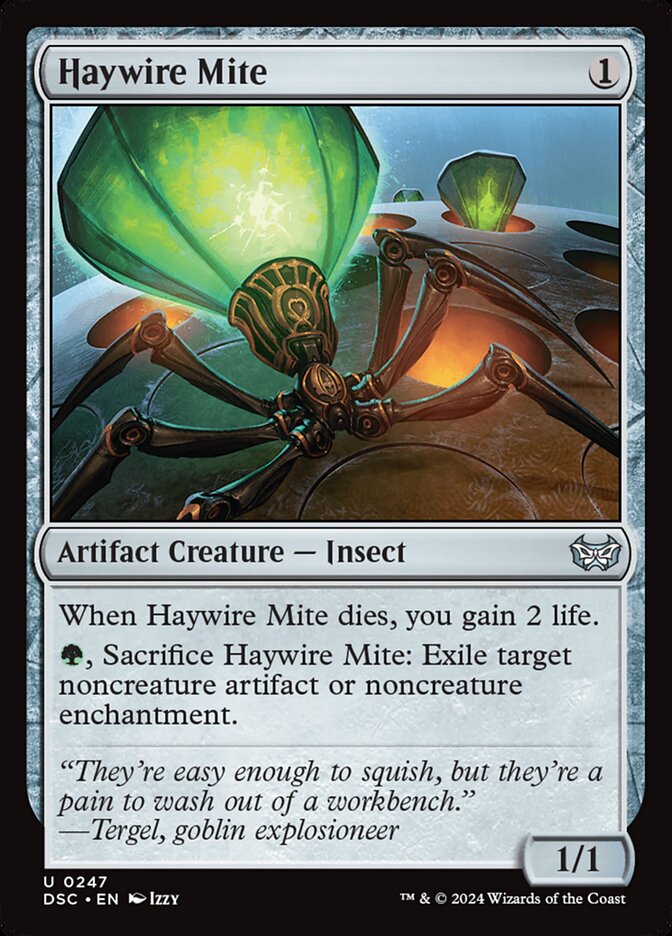
Ultimately, the greatest issue was that it was never a game of 1 vs. 1 vs. 1 vs. 1. In the case of this deck, it felt as if it was always a 3 vs. 1 instead. Part of it was due to “player responsibility.” Now I want to disclose that no player has any responsibility to do anything. But to put it bluntly, it felt as if other players were just choosing to rely upon me more than often to answer threats at the table. I wasn’t really spending my game doing anything of substantial value other than prolonging the game for others. I was always, at best, a glorified second place or reaching first only after dragging through the infinite threats that kept popping up over and over again.
I think the best lesson I learned from this deck was the game was much more fun when you are proactively playing and being an actual threat, even if it takes multiple people to shut you down. At least you go down doing something rather than idling all the time. It was also not as interesting to just see a, as I’m mocking myself, pile of stuff rather than an actually concentrated articulated deck. Themes and key ideas breathe life into your decks, and without that, you’re kind of just playing a game for the sake of playing rather than enjoying it.